Transforming Predictable Expenses from Emergencies to Opportunities
Have you ever faced a bill that left your stomach in knots, despite knowing it was on its way? Car tags, holidays, school preparations, insurance deductibles, and vacations—you knew they were coming, so why do these predictable expenses feel like financial emergencies? The issue isn't a lack of foresight; it's a system problem. When predictable expenses don't have a landing space, they crash into your financial plan like unexpected waves. Transforming Predictable Expenses from Emergencies to Opportunities
Today, I’m here to introduce you to a simple budgeting tool, the sinking fund, which can turn those dreaded "oh no" moments into confident "we're ready" instances. Let's explore this transformative concept together.
Understanding the Importance of Pre-planning
As we think about budgeting, it's essential to shift our perspective. It's not the unforeseen surprises that throw most people off—it's the predictable expenses that arrive unannounced. These are expenses you've known about all along but haven't given a space to breathe within your budget.
The key to managing these financial stresses lies in sinking funds. These funds take what could be one large, financially destabilizing hit and turn it into manageable, planned-out steps.
Sinking Funds: The Financial Safety Net
A sinking fund is a proactive financial tool. It’s where you set aside a small amount of money regularly for a known future expense. This concept helps distinguish genuine emergencies from predictable costs, allowing you to address them without panic when they arrive.
Start by identifying a predictable expense. Let's say you have a $600 expense every Christmas. Break it down to $50 a month, which you set aside consistently. By the time Christmas arrives, paying that expense isn't an emergency—it’s simply executing a plan you set in motion months ago.
Embracing the Habit of Planning
Creating sinking funds involves calculating the yearly cost of a notable expense and dividing it by twelve to find a manageable monthly saving target. Can't cover the full amount right away? No problem. Start with whatever you can afford—$10, $25, or $40. The amount isn't as critical as the establishment of the habit itself. As you build these funds, you'll feel a peace that isn't just financial but also emotional and spiritual.
An Application of Faith in Finance
Taking steps towards financial preparedness isn’t about anticipating doom. It’s about stewardship—about handling your responsibilities with faith and foresight. Planning isn't anxiety; it’s wisdom. Sinking funds protect your emergency fund, keeping it for unexpected issues, not regular, predictable expenses.
Financial stability also brings peace that transcends wallets—it affects our mood, relationships, patience, and even our prayers. When you’re prepared, you’re not just financially stable; you’re spiritually grounded.
Take the First Step
Choose one sinking fund to start with—a car repair fund, a holiday fund, an annual insurance fund, or a future trip fund. Just one. Set a target and begin with an achievable amount. Automate it if possible, as consistency is key to building peace and stability through financial preparedness.
If you need a supportive community to walk alongside you, I invite you to join us at financiallyconfidentchristian.com/join. Together, we’ll take one steady step at a time towards a future of financial confidence.
Conclusion
Future peace is quietly built through small, deliberate steps. Start this practice today and move forward as a financially confident Christian. Remember, progress matters more than perfection. Financial stability is within reach, and each step you take is building a foundation of peace for tomorrow.
Stay financially savvy, and God bless you on this journey.
Christian Financial Consulting
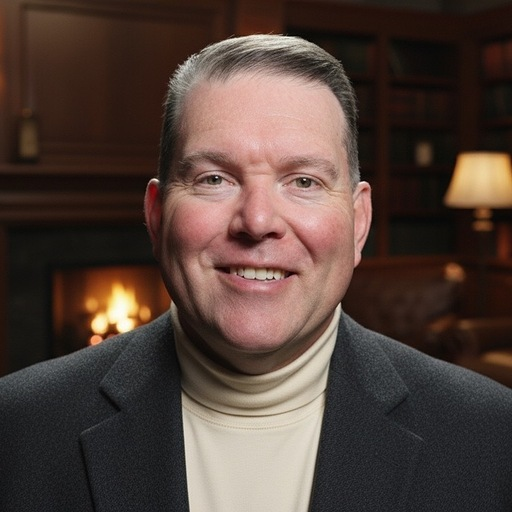
Ralph V. Estep, Jr. is a Delaware-based licensed accountant, author, rancher, and media host with more than 30 years of experience in finance, taxation, and small-business leadership. As the founder of Saggio Accounting+PLUS and the creator of the Ask Ralph Media network, Ralph helps entrepreneurs, creators, and everyday families replace money confusion with clarity, confidence, and practical next steps—without shame and without hype.
Ralph’s work blends deep professional expertise with a coach’s mindset and a communicator’s heart. He has held leadership roles across public accounting, financial institutions, law firms, and technology organizations, bringing a rare combination of traditional accounting rigor and modern systems thinking to the people he serves. A graduate of the University of Delaware and Wilmington University (MBA), Ralph is known for turning complex money topics into simple, repeatable frameworks that help people make wiser decisions and build lasting financial stability.
Through Ask Ralph Media, Ralph hosts multiple shows designed to meet people where they are and guide them forward. He is the host of Financially Confident Christian, a daily, faith-based show offering warm, pastoral encouragement for listeners who want peace and practical wisdom with their finances.
He also hosts Truth Unveiled with Ralph, a weekly program that contrasts cultural pressure with biblical truth and invites listeners into deeper spiritual and practical alignment. For small business owners, Ralph leads Grit and Growth Business, spotlighting real sto…Read More

Breaking the Cycle: Finding Relief Without Spending