Is Panic Your Financial Advisor? Finding Faith Over Fear in Financial Decisions
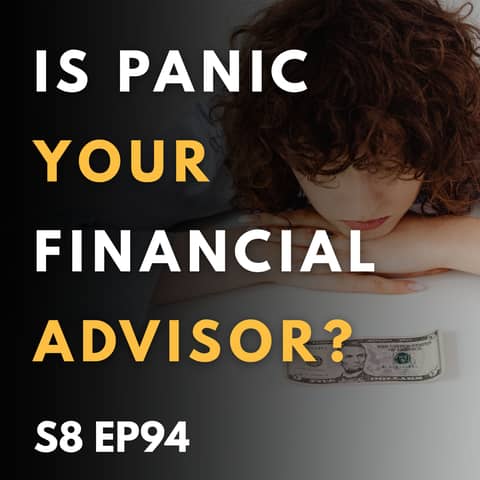
In our fast-paced world, it's all too easy to let fear guide our financial decisions. Many of us have swiped our credit cards out of sheer panic, trying to quell that persistent voice that warns of scarcity and unpreparedness. But today, let's take a step back and consider a more intentional approach. I'm Ralph Estep Jr., and in this post, I'm going to share insights on how to pivot from fear-driven spending toward faith-led financial planning. Is Panic Your Financial Advisor? Finding Faith Over Fear in Financial Decisions
Identifying the Panic Triggers
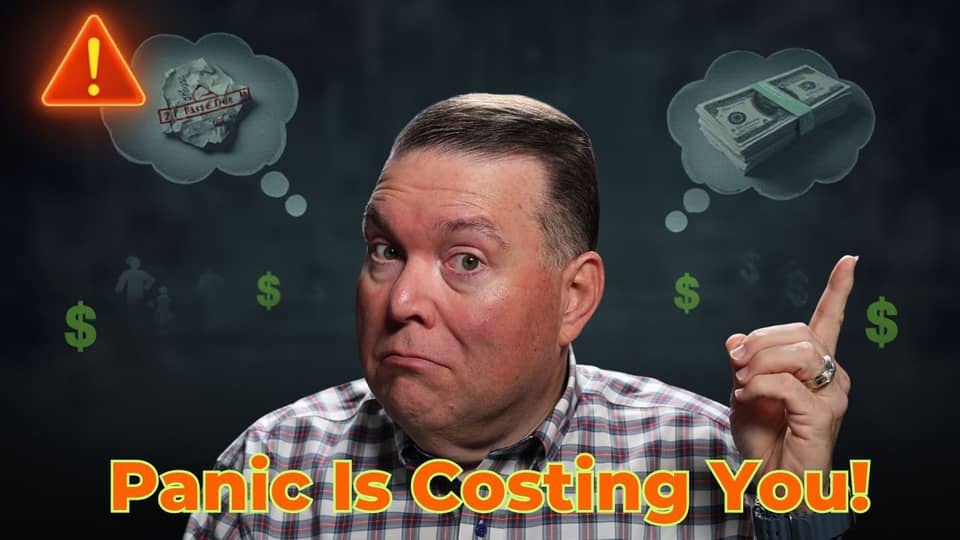
Have you ever asked yourself why you feel the need to make an unplanned purchase? Often, the urge isn't about the item itself but about a deeper trigger—a headline, a low bank balance, or a past memory of lack. Identifying these triggers is the first step toward clarity. Panic thrives in obscurity, but when we name our fears, we can start to diminish their power over us.
Implementing a 24-Hour Pause Rule
One practical strategy is the 24-hour pause rule. When fear spikes, give yourself a buffer period. This isn't about avoiding responsibility but about creating space for rational thinking. Many times, the passage of time reveals that we didn't really need that impulse purchase. This simple delay can shift your decision-making process from a reactive to an intentional one.
Anchoring to Personal Values
Writing down your values can profoundly impact your spending habits. Whether it's security, generosity, or freedom, these guiding principles help ground you. Before any purchase, ask yourself if it aligns with your core values. This isn't just a mental exercise; it's about letting your values guide you more firmly than fear ever could.
Building Financial Margin
Fear often spikes when financial margins are thin, so it's essential to build an emotional safety net. Start small if needed—a $100 buffer can make a difference. Focus on practical steps, like creating a modest emergency fund. It's not about how much you save initially but about cultivating a practice of preparation without letting fear dictate your actions.
Shifting From Fear Talk to Truth Talk
The narratives we tell ourselves matter. If you're battling thoughts like "I'm not good with money" or "I'll never catch up," it's time to replace them with truths. Remind yourself that you're learning and growing. What you repeat becomes your reality, so choose affirmations that foster growth and assurance instead of fear.
A Call to Faith
Scripture offers us reassurance in our journey. Isaiah 41:10 tells us not to fear because we are upheld by a greater power. Let this be a reminder that we don't walk this path alone. Prayer and reflection can guide us back to a place of peace, allowing faith to lead where fear once reigned.
Taking Action
Here's a practical step for you today: write down your top three money values and keep them visible—tuck them into your wallet or wrap them around your credit card. This visual reminder can be the anchor you need when the temptation to panic-buy arises.
If you have any financial struggles or stories of overcoming fear, I invite you to share them with me. Visit financiallyconfidentchristian.com/voicemail to leave a message. Your journey might inspire others and help them find their way through the storm of financial panic to the peace of faith-led decisions.
Remember, while panic may shout loudly, peace can still lead you home. Stay financially savvy, and may God bless you in your path toward financial confidence.
Christian Financial Consulting
Ralph V. Estep, Jr. is a Delaware-based licensed accountant, author, rancher, and media host with more than 30 years of experience in finance, taxation, and small-business leadership. As the founder of Saggio Accounting+PLUS and the creator of the Ask Ralph Media network, Ralph helps entrepreneurs, creators, and everyday families replace money confusion with clarity, confidence, and practical next steps—without shame and without hype.
Ralph’s work blends deep professional expertise with a coach’s mindset and a communicator’s heart. He has held leadership roles across public accounting, financial institutions, law firms, and technology organizations, bringing a rare combination of traditional accounting rigor and modern systems thinking to the people he serves. A graduate of the University of Delaware and Wilmington University (MBA), Ralph is known for turning complex money topics into simple, repeatable frameworks that help people make wiser decisions and build lasting financial stability.
Through Ask Ralph Media, Ralph hosts multiple shows designed to meet people where they are and guide them forward. He is the host of Financially Confident Christian, a daily, faith-based show offering warm, pastoral encouragement for listeners who want peace and practical wisdom with their finances.
He also hosts Truth Unveiled with Ralph, a weekly program that contrasts cultural pressure with biblical truth and invites listeners into deeper spiritual and practical alignment. For small business owners, Ralph leads Grit and Growth Business, spotlighting real sto…Read More

Breaking the Cycle of Financial Emergencies: How to Protect Your Savings