
Making Tight Budgets Work Building Breathing Room Without Compromise

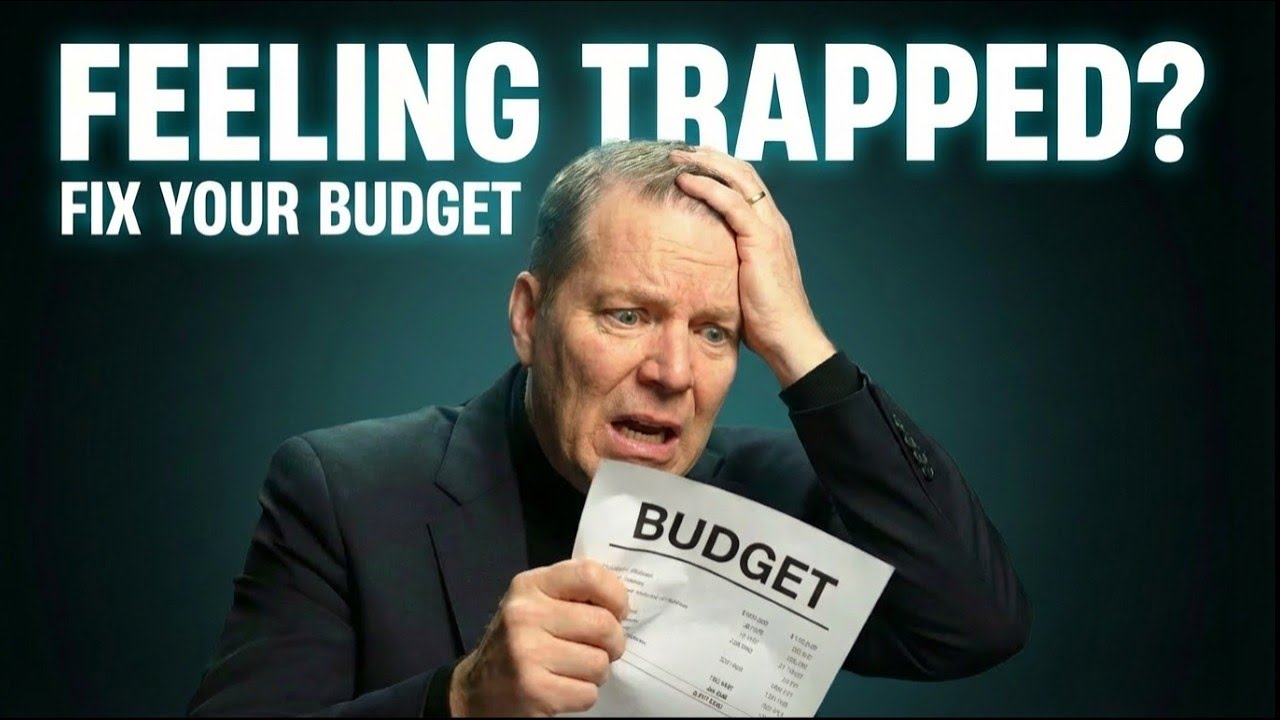
You've finally put together a budget, but now it feels more like a noose than a safety net. You're staring at numbers that barely fit, and the thought of an unexpected expense looms over you like a storm. So today, let's discuss how to create breathing room in your budget without sacrificing what matters. Making Tight Budgets Work: Building Breathing Room Without Compromise
The Challenge of a Tight Budget
If you're reading this, you might have accomplished the challenging task of building a family budget. However, as rewarding as that feels, the real struggle can sometimes begin after the ink dries. Many find themselves asking, "How do we make this sustainable?" The key is to build breathing room into your budget, no matter how tight it may be.
Realism Over Fantasy
Start by revisiting your budget and establishing what I like to call a "realistic floor" for each category. Too often, budgets are built on hopeful numbers—what it would be nice to spend, rather than what you actually do spend. Remember, budgeting is about reflecting your real life, not an ideal fantasy.
Focus on Real Numbers
The first rule of budgeting is to use numbers that genuinely reflect your spending patterns. If your budget is built on impossibly tight figures, it sets you up for failure. Circle any numbers in your budget that are more hopeful than realistic and adjust them to reflect what you're actually spending.
Create a 'Life Happens' Fund
Life has a way of throwing unexpected expenses your way. Incorporate a "life happens" line item into your budget to accommodate for small surprises like a sudden doctor's appointment or a last-minute school fee. Even if it's just $10, this fund can save your budget from breaking.
The Three-Level Budget Plan
To make your budget resilient, work on a three-level version: Green, Yellow, and Red.
- Green: This is your normal month where everything lines up perfectly.
- Yellow: This indicates a caution zone where small adjustments might be necessary. Identify up to three 'flex' items that can be easily trimmed if your finances tighten.
- Red: Your emergency zone where the focus is on maintaining what I call the 'four walls'—Housing, Utilities, Food, and Transportation. In dire times, keeping these intact is crucial.
Identifying Room Makers
Find at least one expense you can cut or a minor boost you can achieve in your income. Consider reducing or eliminating a subscription or convenience habit to create additional breathing space.
Short-Term Focus with a Seven-Day Reset
Instead of being overwhelmed by a month-long budget, break it down. Check in every week to reevaluate and adjust. Budgets are not set in stone; they’re dynamic and should evolve as your situation does.
Trust in Provision
As a reminder of faith, remember Philippians 4:19, "And my God will meet all your needs according to the riches of his glory in Christ Jesus." While your budget is a reflection of your efforts, trust in divine provision to meet your needs.
Conclusion
Remember, budgeting is not about perfection but about staying engaged and flexible through life's uncertainties. If you have any questions about budgeting, feel free to reach out at financiallyconfidentchristian.com/question.
Let's stay financially savvy, engage with this process, and bring hope into unknown situations. God bless you, and thank you for spending a moment with me today. Share this with someone who might need a little financial hope themselves.

Christian Financial Consulting
Ralph V. Estep, Jr. is a Delaware-based licensed accountant, author, rancher, and media host with more than 30 years of experience in finance, taxation, and small-business leadership. As the founder of Saggio Accounting+PLUS and the creator of the Ask Ralph Media network, Ralph helps entrepreneurs, creators, and everyday families replace money confusion with clarity, confidence, and practical next steps—without shame and without hype.
Ralph’s work blends deep professional expertise with a coach’s mindset and a communicator’s heart. He has held leadership roles across public accounting, financial institutions, law firms, and technology organizations, bringing a rare combination of traditional accounting rigor and modern systems thinking to the people he serves. A graduate of the University of Delaware and Wilmington University (MBA), Ralph is known for turning complex money topics into simple, repeatable frameworks that help people make wiser decisions and build lasting financial stability.
Through Ask Ralph Media, Ralph hosts multiple shows designed to meet people where they are and guide them forward. He is the host of Financially Confident Christian, a daily, faith-based show offering warm, pastoral encouragement for listeners who want peace and practical wisdom with their finances.
He also hosts Truth Unveiled with Ralph, a weekly program that contrasts cultural pressure with biblical truth and invites listeners into deeper spiritual and practical alignment. For small business owners, Ralph leads Grit and Growth Business, spotlighting real sto…Read More

Why Budgeting Feels Overwhelming and How to Make it Simple