Navigating the Waters of Good Debt: Wisdom and Peace in Financial Decisions
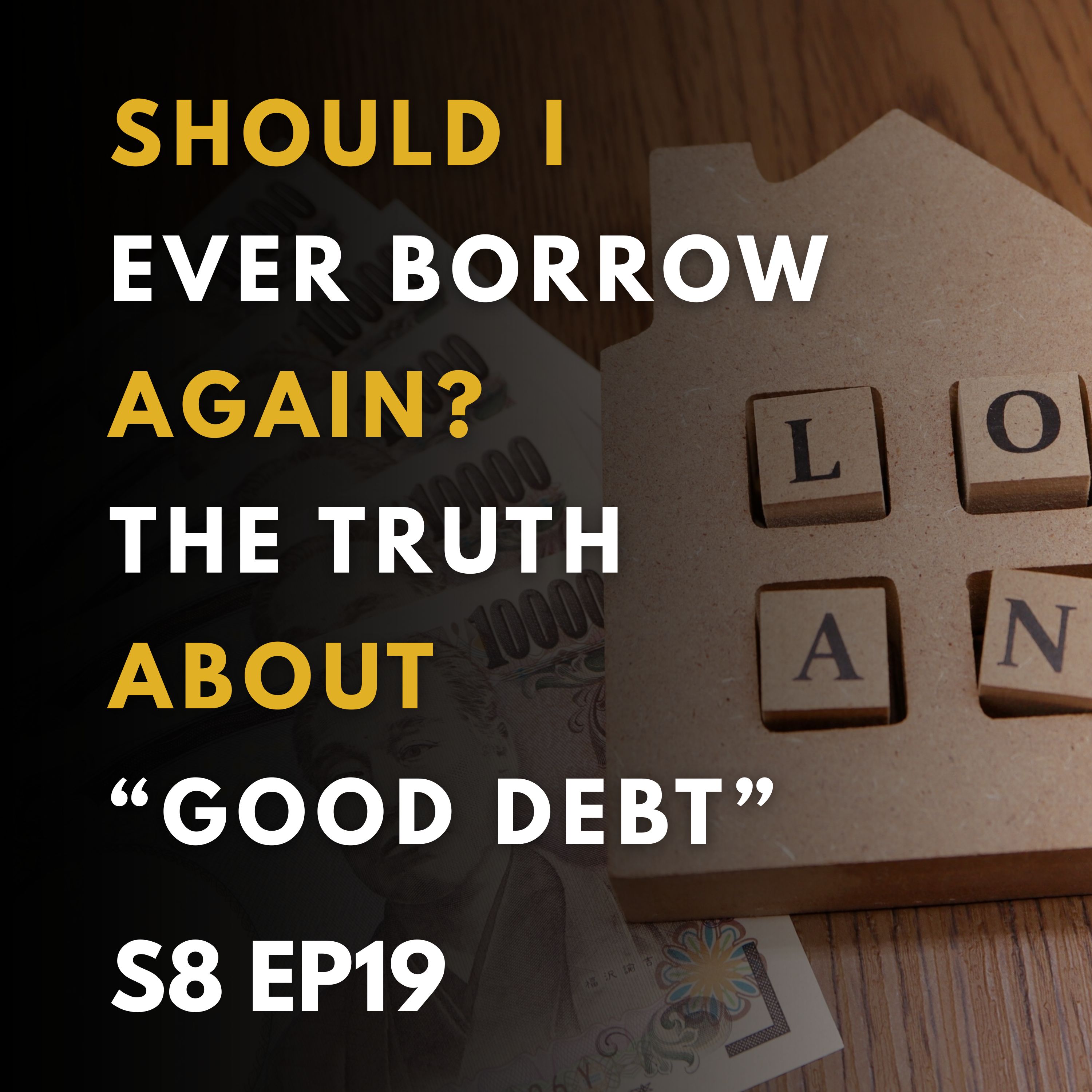
Have you ever looked at a loan offer and felt a tension within yourself? Part of you believes it could be a smart decision, yet another part whispers a reminder of past feelings of entrapment. If this sounds familiar to you, you're not alone. Today, we're venturing into the realm of "good debt" with the aim of easing that tension and bringing clarity and peace to your financial decisions. Navigating the Waters of Good Debt: Wisdom and Peace in Financial Decisions
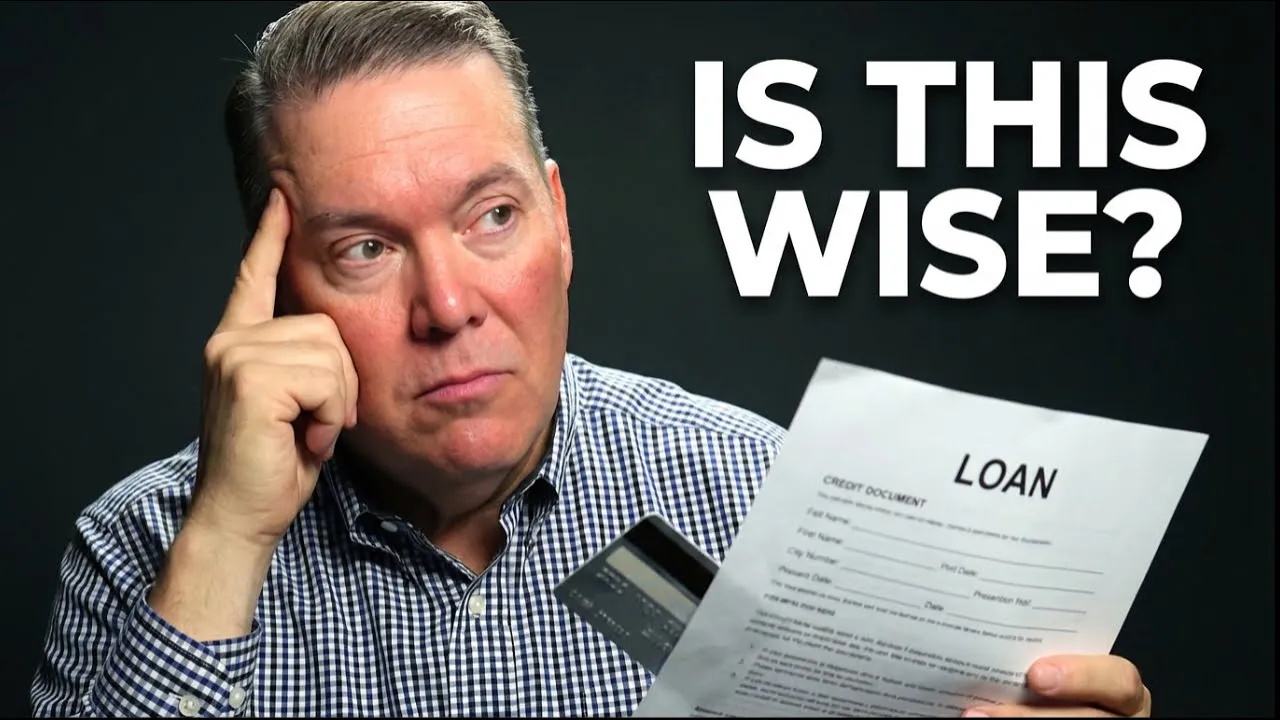
Welcome to the Financially Confident Christian Community
Hello, friend. I'm Ralph Estep Jr. and welcome to The Financially Confident Christian. Here, we delve into the intersection of faith and finances, empowering you to manage money with confidence, clarity, and spiritual purpose. Our journey today involves recognizing when borrowing aligns with wisdom, and discerning the difference between beneficial debt and unnecessary pressure.
Understanding the Fear of Borrowing
A listener recently shared their concern with me: "I’m working hard to get out of debt, but what if I need a loan again someday? Does borrowing mean I’ve failed again?" This question resonates with many. It uncovers a fear of regression, of feeling the nagging anxiety tied to financial burdens, and questions whether wisdom and borrowing can genuinely coexist.
Debunking the Myth: Good Debt vs. Bad Debt
Research shows that debt is not inherently the root of financial stress; rather, it's often due to unclear expectations and emotional pressure. The real question is not whether debt is good or bad, but rather, "What is this debt building?" Debt used for building meaningful projects, like a home or education, can be beneficial. These are not extravagant "treat yourself" expenses, but investments in stability and growth.
The Responsibility of Debt
Regardless of the label it carries, every form of debt comes with responsibility. "Good debt" still requires regular payments and can limit financial freedom. It's crucial to approach even beneficial borrowing with caution, ensuring plans are concrete and manageable.
Discernment Over Assumptions
Wisdom in borrowing requires discernment rather than assumptions. Common practices, like financing cars or frequent credit card use, shouldn't determine your financial decisions. Individual discernment is key: "Is this wise for my life in this season?" Consider your unique responsibilities and stress levels.
Integrity and Peace in Repayment
Never borrow beyond your capacity to repay with integrity and peace. Integrity means paying back without resorting to tricks or scrambling, while peace means doing so without constant stress or pressure. I'll share the story of a couple who delayed purchasing their dream home by a year to ensure they could proceed without sacrificing their peace.
The Role of Prayer in Financial Decisions
If a decision disrupts your peace, it warrants prayer. Praying offers pause and introspection, guiding you to ask crucial questions: "Am I trying to impress someone?" or "Am I attempting to fix a feeling?" It encourages you to seek God's wisdom over personal anxiety.
Call to Action
Today, I challenge you to write down one type of debt you're considering. Pray over it—not for permission, but for peace and wisdom. At The Financially Confident Christian, we foster a community where you can navigate financial decisions without judgment.
Conclusion
God’s intent is not to trap but to guide us towards peace and wisdom. Embrace the space to think clearly and move at a deliberate pace. You don’t need every answer today, just the resolve to pursue peace step by step. Remember, God is not rushing you, and neither should your financial decisions.
Join Our Community
For more insights and support, consider joining our community at FinanciallyConfidentChristian.com/join. Let us embark on this journey together, growing in confidence and wisdom. Stay financially savvy, and may you walk in peace and purpose.
God bless, and I'll see you in our next discussion.

Christian Financial Consulting
Ralph V. Estep, Jr. is a Delaware-based licensed accountant, author, rancher, and media host with more than 30 years of experience in finance, taxation, and small-business leadership. As the founder of Saggio Accounting+PLUS and the creator of the Ask Ralph Media network, Ralph helps entrepreneurs, creators, and everyday families replace money confusion with clarity, confidence, and practical next steps—without shame and without hype.
Ralph’s work blends deep professional expertise with a coach’s mindset and a communicator’s heart. He has held leadership roles across public accounting, financial institutions, law firms, and technology organizations, bringing a rare combination of traditional accounting rigor and modern systems thinking to the people he serves. A graduate of the University of Delaware and Wilmington University (MBA), Ralph is known for turning complex money topics into simple, repeatable frameworks that help people make wiser decisions and build lasting financial stability.
Through Ask Ralph Media, Ralph hosts multiple shows designed to meet people where they are and guide them forward. He is the host of Financially Confident Christian, a daily, faith-based show offering warm, pastoral encouragement for listeners who want peace and practical wisdom with their finances.
He also hosts Truth Unveiled with Ralph, a weekly program that contrasts cultural pressure with biblical truth and invites listeners into deeper spiritual and practical alignment. For small business owners, Ralph leads Grit and Growth Business, spotlighting real sto…Read More

Finding Financial Peace: One Simple Step to Feel Less Behind