How to Stop Overdraft and Late Fees Fast

Hello, friends! Ralph Estep Jr. here from Financially Confident Christian. Today, I want to talk about something that's been on many minds: How to stop overdraft and late fees quickly. If you've ever felt punished for being broke, you're certainly not alone. It's not just the $35 overdraft fee that hurts; it's the humiliation and frustration. That feeling of drowning with each fee further putting you behind can be overwhelming. But let’s get practical today and focus on stopping the bleeding fast. How to Stop Overdraft and Late Fees Fast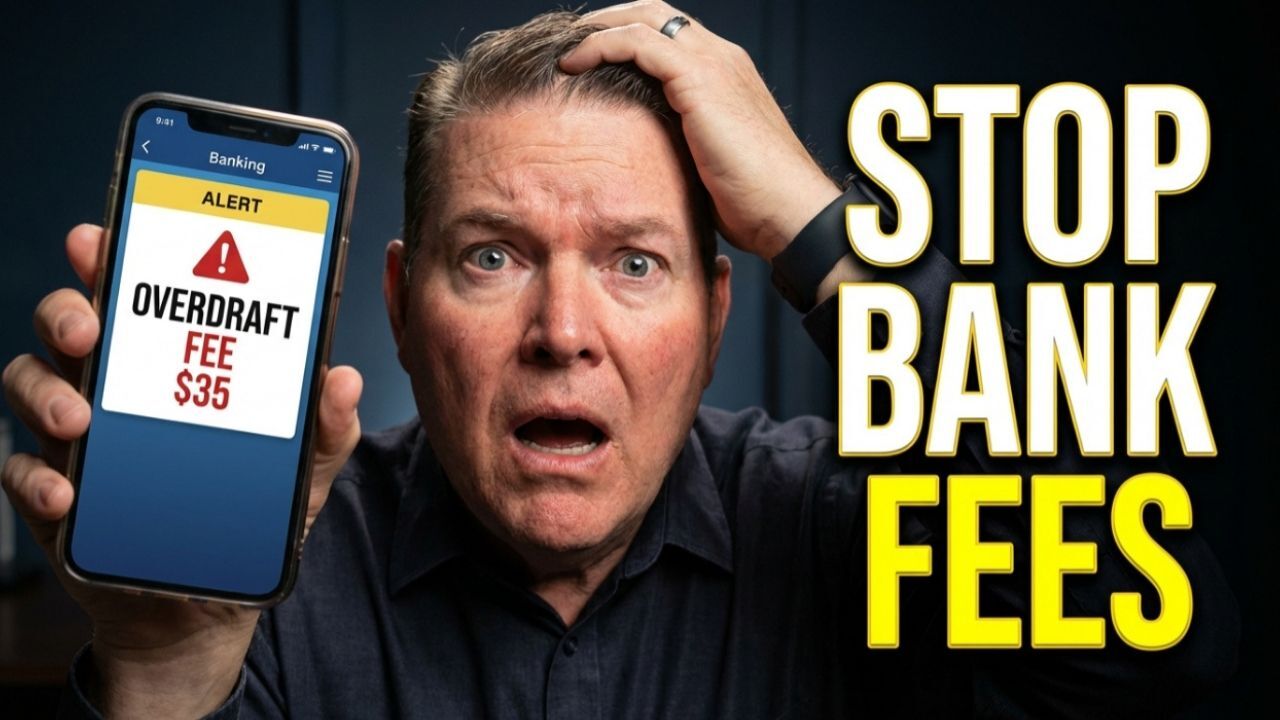
Listener Question
A listener recently asked a great question, which many of you may relate to: "I can't keep up with all these fees. It feels like every time I turn around, there's another $35 overdraft fee or a late charge hit in my account. I'm drowning, and it's so discouraging to see my money disappear on mistakes and penalties instead of going towards something that matters. I need help now. What's the easiest system I can set up this week to stop this cycle?"
The Solution
Your fees will stop when your money has a simple lane system and your bills have a single calendar. Here’s how you can break free from this cycle:
1. Turn Off Overdraft Coverage
The first action to take is to turn off overdraft coverage on your accounts. Although it might seem counterintuitive, this is one of the fastest ways to prevent those fees. By disabling overdraft on your debit card purchases, your transactions will be declined, preventing multiple fees. A single declined transaction is far cheaper than accumulating overdraft fees.
2. Create a $100 Cushion
Start by building up a $100 cushion in your account and treat it as non-existent. You can begin with just $25 this week and add more weekly until you hit your goal. This small buffer can prevent a fee spiral from one badly-timed transaction.
3. Set Up a Two-Account System
Consider creating two accounts: a Bills account and a Spending account. When your income arrives, transfer your bill money to the Bills account, and rest into the Spending account. This way, when you swipe your card, you’re not gambling with your rent money.
4. Organize and Simplify Your Bills
List your bills on a single sheet, detailing the bill name, due date, minimum payment, and whether it’s on autopay. Choose two specific money days every week to check this list and pay your dues. This rhythm prevents late fees and keeps you in control.
5. Ask for Fee Reversals
Don’t hesitate to contact your financial institutions to request fee reversals. They often accommodate these requests, especially if you have been a long-time customer. Additionally, negotiate your bill due dates to align with your pay schedule, alleviating heavy financial burdens at certain times of the month.
A Word on Wisdom and Support
At the beginning of any challenge, make sure to stop the bleeding first, so to speak, and then build strength. I believe that protection, not perfection, is our goal. As a Christian, I find wisdom in James 1:5, which reminds us to seek wisdom from God, who gives generously. Knowing you’re not alone in this journey can be a great comfort.
Let's conclude with some encouragement: You’re not bad with money; you may just need a better system. If you have questions for the show or want to delve deeper into financial matters, reach out at financiallyconfidentchristian.com/question.
Thank you for spending this time with me today. May you stay financially savvy, and may God bless you with a great day!
Christian Financial Consulting
Ralph V. Estep, Jr. is a Delaware-based licensed accountant, author, rancher, and media host with more than 30 years of experience in finance, taxation, and small-business leadership. As the founder of Saggio Accounting+PLUS and the creator of the Ask Ralph Media network, Ralph helps entrepreneurs, creators, and everyday families replace money confusion with clarity, confidence, and practical next steps—without shame and without hype.
Ralph’s work blends deep professional expertise with a coach’s mindset and a communicator’s heart. He has held leadership roles across public accounting, financial institutions, law firms, and technology organizations, bringing a rare combination of traditional accounting rigor and modern systems thinking to the people he serves. A graduate of the University of Delaware and Wilmington University (MBA), Ralph is known for turning complex money topics into simple, repeatable frameworks that help people make wiser decisions and build lasting financial stability.
Through Ask Ralph Media, Ralph hosts multiple shows designed to meet people where they are and guide them forward. He is the host of Financially Confident Christian, a daily, faith-based show offering warm, pastoral encouragement for listeners who want peace and practical wisdom with their finances.
He also hosts Truth Unveiled with Ralph, a weekly program that contrasts cultural pressure with biblical truth and invites listeners into deeper spiritual and practical alignment. For small business owners, Ralph leads Grit and Growth Business, spotlighting real sto…Read More

Why Budgeting Feels Overwhelming and How to Make it Simple