Balancing the Books and the Heart: Navigating the Saver-Spender Dynamic in Marriage
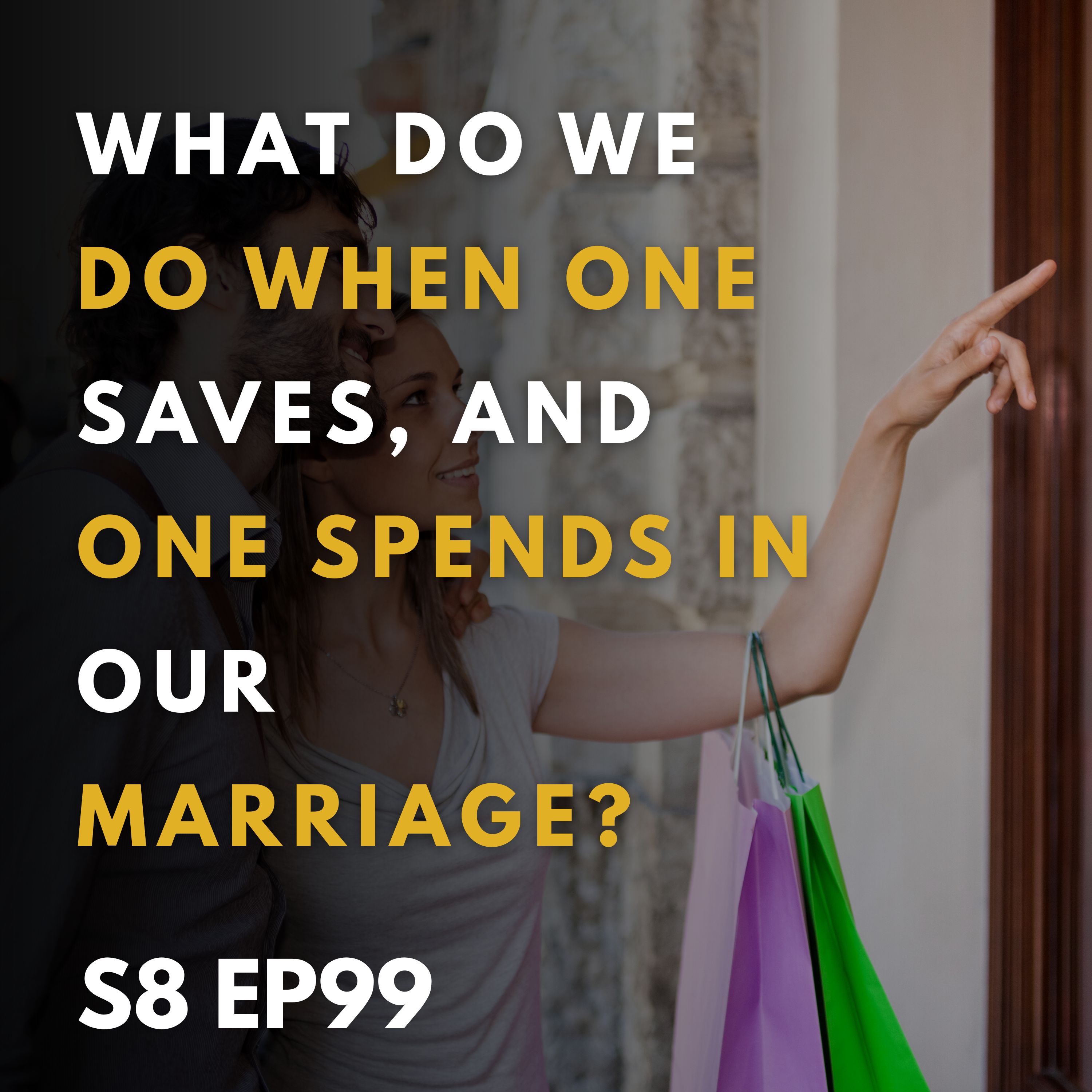
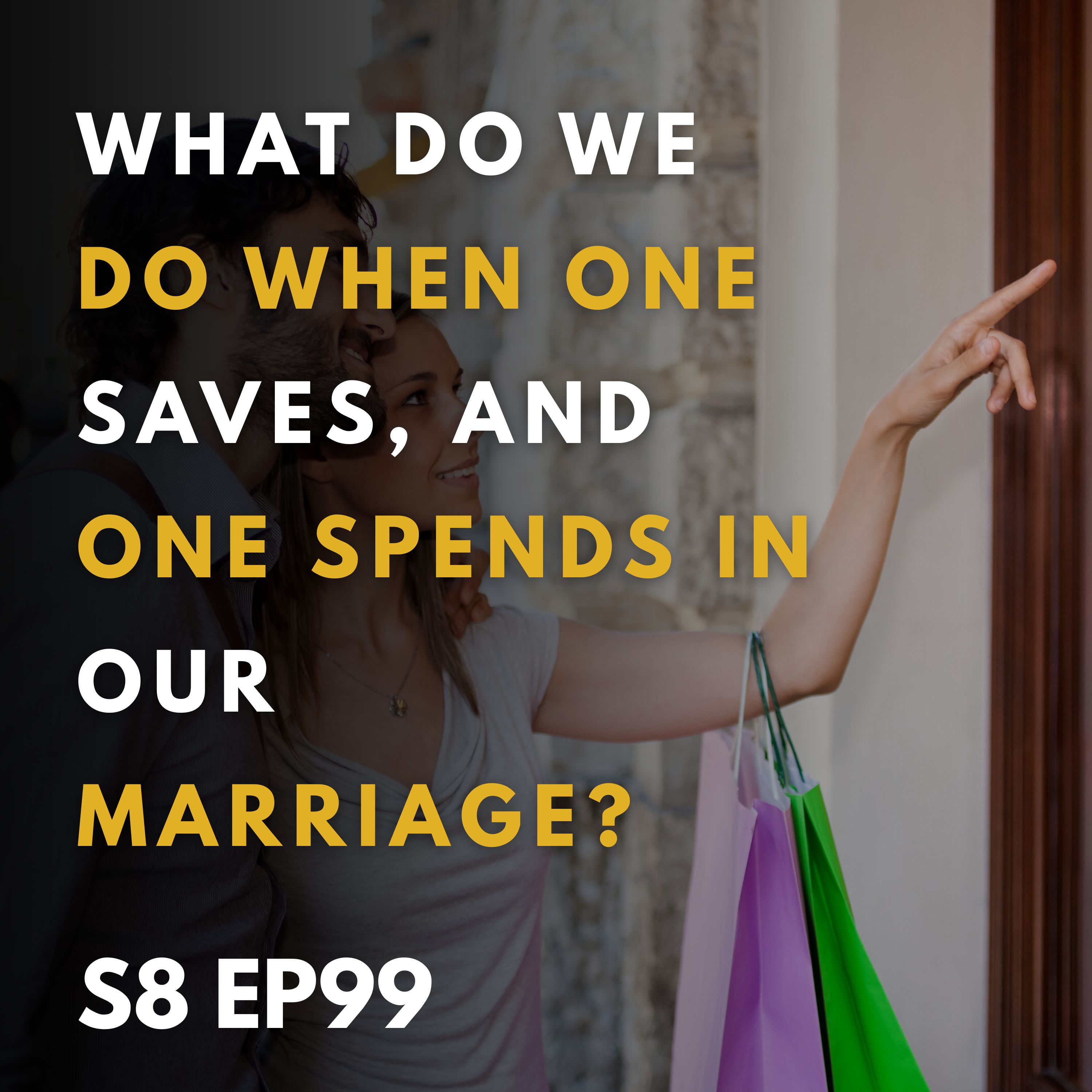
In every marriage, it seems there's often one partner who prefers saving while the other loves to spend. It's a natural balance, akin to two sides of a coin. But when this delicate dynamic shifts into a battle between a villain and a victim, it's not just your bank account that takes a hit—your relationship does too. Join me, Ralph Estep Jr., on a journey to move past the nagging and guilt to find a financial rhythm that honors both security and enjoyment. Balancing the Books and the Heart: Navigating the Saver-Spender Dynamic in Marriage

Understanding the Battle
I've been observing and assisting couples for over 30 years, including my own marriage, and this saver-versus-spender conflict is a common theme. Take it from someone who speaks from experience: I'm definitely the spender in my relationship, while my wife is the saver. These differences can lead to clashes, but a healthy marriage thrives on the wisdom of the saver, who protects the future, and the spender's zest for enjoying the present. But how do we achieve this harmonious balance? I've got a few thoughts.
Steps to Harmony
First and foremost, it's essential to validate the "why" behind each partner's behavior. Savers often seek security and peace of mind, perhaps because past experiences lacked these qualities. Spenders find joy and connection through experiences, whether dining out or other activities that require a financial outlay. It's paramount that each partner understands and respects these emotional needs rather than views them as flaws.
One effective strategy is to retire the "bad guy" badge. Remove labels like "cheap" or "frivolous," and instead replace criticism with curiosity. Ask questions like, "What does having this money in the bank mean to you?" or "What does this purchase represent to you?" By doing so, you create a space where both partners can feel heard and respected.
Consider implementing a "No Question" fund. Set aside two line items in your budget—one for each partner—that can be used without having to justify expenditures to the other. This eliminates nagging over small purchases, but remember that these amounts must be fair and agreed upon in advance.
Moreover, establish shared financial guardrails. Agree on specific savings goals, such as a three-month emergency fund, and once achieved, reward yourselves with a purchase or experience that you can both enjoy. It's all about creating a situation where both partners come out as winners.
For larger expenditures, enforce a 24-hour rule. Any significant spending should be paused for a day, allowing ample time for discussion and prayer. This gives the spender a chance to consider their impulse and the saver time to process the potential impact.
Embracing Balance
Remember, you and your spouse are not opposites but a balanced team. When you view your partnership this way, you'll start to cover each other's blind spots. Here's what I want you to do tonight—ask your spouse, "How can I help you feel more secure or joyful with our money this month without making you feel judged?" The key here? Listen more than you speak. You might just be surprised by the response you get.
And, as always, draw inspiration from the book of 1 Corinthians 13:4-7. Embody the patience, kindness, and understanding needed to protect not just your financial future but also your partner's heart.
In Closing
Management of your marriage is the most vital asset you will ever have at your disposal—handle it with care. If this resonates with your financial struggle, know that your questions could light the way for others, too. I'd love to hear from you, not just in writing but through your own voice. Visit financiallyconfidentchristian.com/voicemail to share your experience or questions. Your voice might be the answer someone else has been seeking.
Thank you for being here today. Stay financially savvy and blessed.

Christian Financial Consulting
Ralph V. Estep, Jr. is a Delaware-based licensed accountant, author, rancher, and media host with more than 30 years of experience in finance, taxation, and small-business leadership. As the founder of Saggio Accounting+PLUS and the creator of the Ask Ralph Media network, Ralph helps entrepreneurs, creators, and everyday families replace money confusion with clarity, confidence, and practical next steps—without shame and without hype.
Ralph’s work blends deep professional expertise with a coach’s mindset and a communicator’s heart. He has held leadership roles across public accounting, financial institutions, law firms, and technology organizations, bringing a rare combination of traditional accounting rigor and modern systems thinking to the people he serves. A graduate of the University of Delaware and Wilmington University (MBA), Ralph is known for turning complex money topics into simple, repeatable frameworks that help people make wiser decisions and build lasting financial stability.
Through Ask Ralph Media, Ralph hosts multiple shows designed to meet people where they are and guide them forward. He is the host of Financially Confident Christian, a daily, faith-based show offering warm, pastoral encouragement for listeners who want peace and practical wisdom with their finances.
He also hosts Truth Unveiled with Ralph, a weekly program that contrasts cultural pressure with biblical truth and invites listeners into deeper spiritual and practical alignment. For small business owners, Ralph leads Grit and Growth Business, spotlighting real sto…Read More

Breaking the Cycle: Finding Relief Without Spending