Should You Pay Off a Loan You Don't Need? A Practical Decision-Making Guide
Should You Pay Off a Loan You Don't Need? A Practical Decision-Making Guide
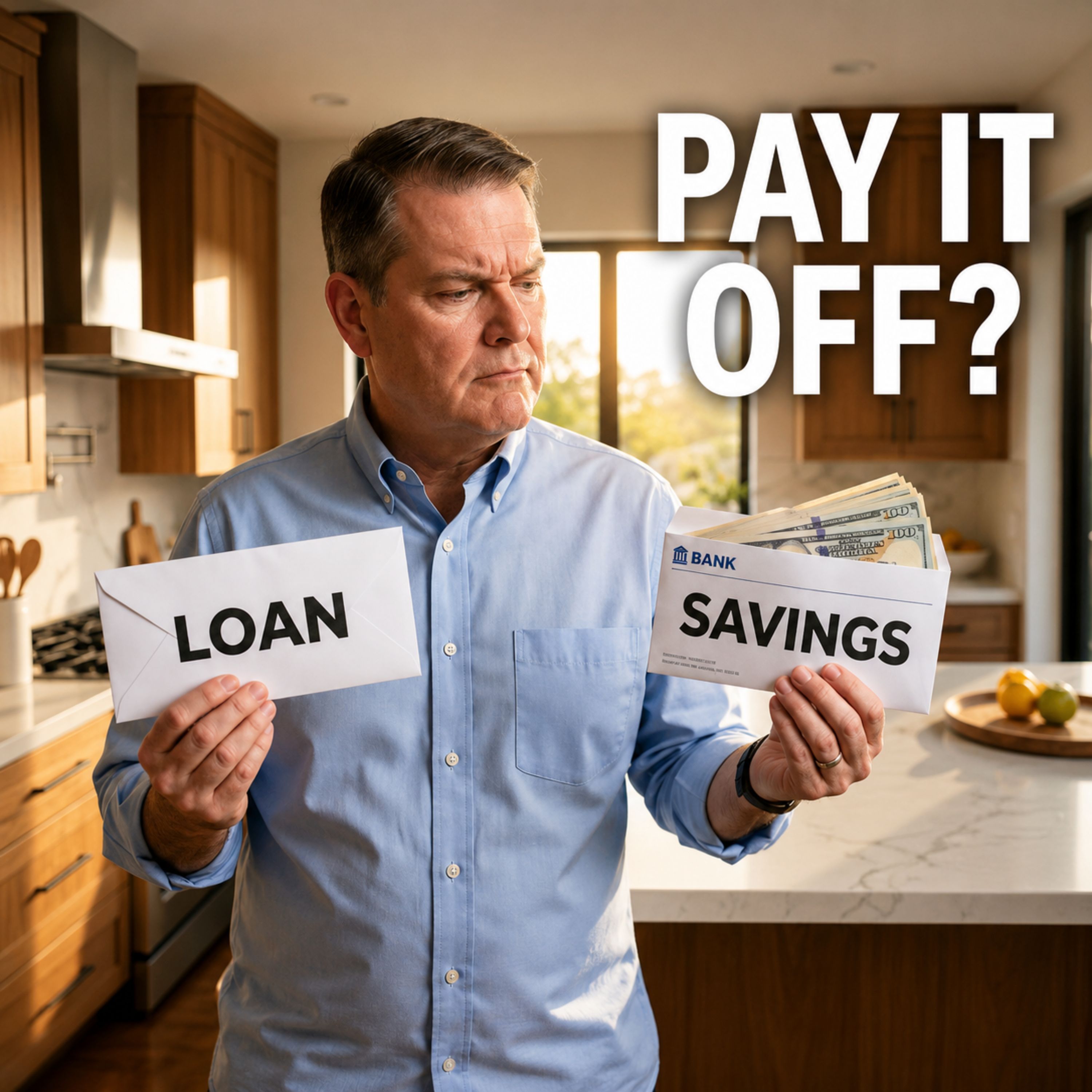
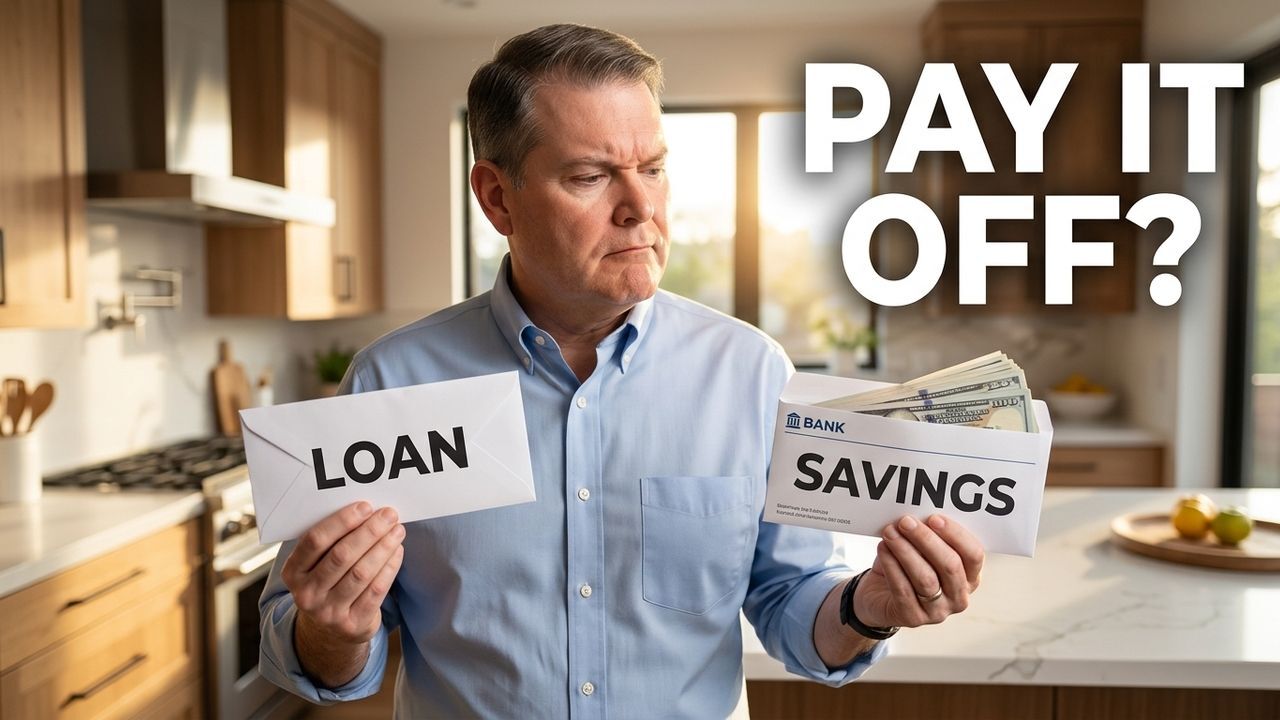
Should you pay off a loan you don't need? That's the practical decision-making guide you need right now. You took out a $5,000 loan for a used car. Then you found a newer vehicle through Carvana and financed it instead. Now you're sitting on money you no longer need, and the clock is ticking on interest charges. This is more common than you'd think—life happens, plans change, a promotion comes through, a better opportunity appears, or circumstances shift in ways you didn't anticipate. The loan money is still in your account, but it no longer serves its original purpose. The question isn't whether you made a mistake. The question is what to do next.
What Happens When Your Credit Drops After a New Loan
Your credit score likely took a small hit when you applied for that original loan. That's normal. The credit bureaus register every hard inquiry on your record, and opening a new account temporarily brings your score down as lenders figure out your new debt load.
How much does it drop? Usually 5 to 10 points if you're in decent shape to begin with. Maybe more if your credit was already thin. It recovers over time as you make on-time payments.
The mistake people make is letting that temporary dip drive the entire decision. "My score dropped, so I need to keep the loan and pay it faithfully to rebuild." That's fear talking, not math. One dropped loan inquiry won't sink your financial future, and keeping debt to prop up a temporary score is expensive emotional management.
The Real Cost of Keeping Money You Don't Need
Here's what matters: every month you hold that loan, you're paying interest on money you're not using.
Let's say your loan has a 6% APR. That $5,000 costs you $250 a year in interest alone. Over the full loan term (say 5 years), that's $1,250 in pure waste if you never use the money.
Some people argue that keeping the loan builds credit history. That's technically true. But the value of that history has to outweigh the cost. If you're paying $250 a year in interest to build credit, you're buying something that's cheaper to get other ways. Keep a credit card with a low balance. Make on-time payments on existing debt. Those build history without extra interest charges.
Before You Pay It Off: Ask These Three Questions
1. Does this loan have a prepayment penalty?
Some lenders charge a fee if you pay off early. It's less common now, but it happens. Call your lender directly and ask for the exact payoff amount. If there's a penalty, factor it into your decision. A $100 penalty to eliminate $1,250 in interest over five years still favors paying it off.
2. What exactly do I owe?
Get the precise payoff amount, not just your current balance. There may be accrued interest, and you want to know the exact number to avoid leaving a small balance hanging that could affect your credit report.
3. How will the lender report early payoff to the credit agencies?
Most lenders report it as "paid as agreed" — that's good. Some report it as "paid early" or "account closed." Neither is catastrophic, but it's worth knowing. A paid-in-full account actually stays on your credit report longer and continues building your history, so closing it early has minimal real impact.
The Straightforward Next Steps
Stop spending the loan money. This is the first step. Don't let it drift into daily expenses or other purchases. Keep it separate. Treat it like what it is: borrowed money that needs to go back.
Protect your cash flow first. Before you worry about rebuilding your credit score, make sure your emergency fund is solid and your living expenses are covered. A healthy cash position matters more than a perfect credit score.
If the math favors it, pay it off. If there's no prepayment penalty and your interest rate is above 4%, the numbers say to repay. You'll save money. The credit impact is minimal. Move on.
If your rate is under 3% and you have zero other high-interest debt, the interest you're losing is smaller. That's one case where keeping the loan for its credit-building effect might make sense. But run the numbers yourself rather than guessing.
This situation doesn't define you financially. One loan doesn't determine your future. People make decisions they second-guess all the time. That's not failure. That's how adults learn.
You knew you didn't need the money once you found another way to buy the car. The fact that you're thinking through the payoff decision carefully instead of just ignoring it means you're already moving in the right direction.
The next decision you make with this loan — to keep it or pay it off — gets to be informed. Not emotional. Not based on shame about the first decision. Based on what actually makes sense for your money right now.
That's the definition of financial confidence.
If you're uncertain about any part of this decision, get clarity from your lender. Call them. Email them. Get the information you need to decide. You have that right.
And if you want to talk through the decision, you're welcome to reach out. That's what we're here for.
Listen to more episodes on managing loans, building credit, and making intentional financial decisions: Financially Confident Christian podcast
Have a question about your money? Leave a voicemail: Voice Message

Christian Financial Consulting
Ralph V. Estep, Jr. is a Delaware-based licensed accountant, author, rancher, and media host with more than 30 years of experience in finance, taxation, and small-business leadership. As the founder of Saggio Accounting+PLUS and the creator of the Ask Ralph Media network, Ralph helps entrepreneurs, creators, and everyday families replace money confusion with clarity, confidence, and practical next steps—without shame and without hype.
Ralph’s work blends deep professional expertise with a coach’s mindset and a communicator’s heart. He has held leadership roles across public accounting, financial institutions, law firms, and technology organizations, bringing a rare combination of traditional accounting rigor and modern systems thinking to the people he serves. A graduate of the University of Delaware and Wilmington University (MBA), Ralph is known for turning complex money topics into simple, repeatable frameworks that help people make wiser decisions and build lasting financial stability.
Through Ask Ralph Media, Ralph hosts multiple shows designed to meet people where they are and guide them forward. He is the host of Financially Confident Christian, a daily, faith-based show offering warm, pastoral encouragement for listeners who want peace and practical wisdom with their finances.
He also hosts Truth Unveiled with Ralph, a weekly program that contrasts cultural pressure with biblical truth and invites listeners into deeper spiritual and practical alignment. For small business owners, Ralph leads Grit and Growth Business, spotlighting real sto… Read More
Is Your Work Life Insurance Actually Enough? Here's How to Find Out