
How to Handle the Surprise of Owing Taxes Instead of Getting a Refund

Have you ever finished your taxes, expecting some relief in the form of a refund, only to discover that you owe the IRS a significant amount? It's a situation that can send your mind racing with questions and anxiety. Did you mess something up? Where will you get the money? How can you ensure this never happens again? In today's post, we're going to talk about what you can do to manage this situation calmly and clearly, while laying out a simple plan to avoid future surprises. How to Handle the Surprise of Owing Taxes Instead of Getting a Refund
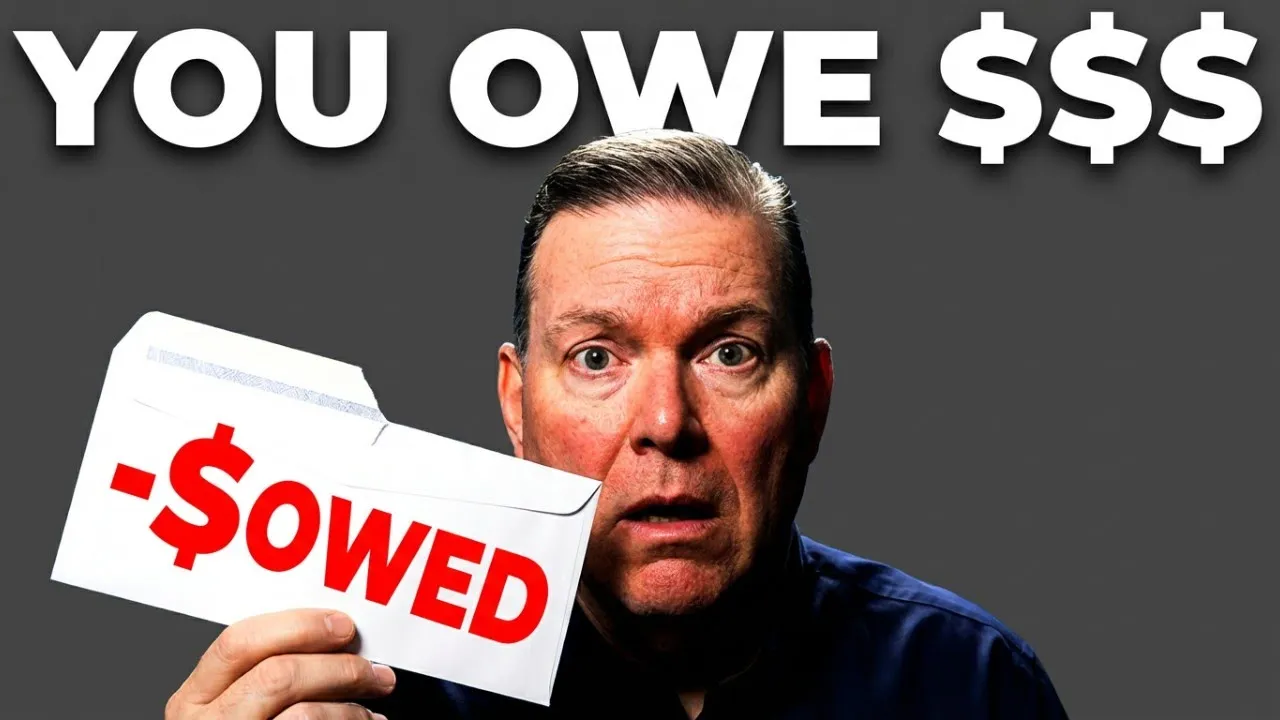
1. Understanding the Situation: It’s Not About You
First, let's address the panic. Owing taxes isn't a reflection of your character. It's simply an indication that something in the system needs attention. To transition from panic to planning, try to identify why this occurred. Usually, it's due to changes in your financial situation. Here's a checklist to help you understand the 'why' behind the owing taxes:
2. Analyze Changes in Income
-New Job or Raise: If you've recently changed jobs or received a raise, your withholding might not have been adjusted properly. A new job or increased income can push you into a higher tax bracket.
- Changes in Household Income: Marriages, new jobs for a spouse, or increased income from a side hustle all affect your tax return.
3. Verify Your Withholding
- Review Your W2: Compare this year's W2 against the previous year to check if your income or withholding amounts have significantly changed.
- Job Changes and Pay Stubs: When you change jobs, ensure that your new payroll system is syncing up correctly and withholding the right amount of tax from each paycheck.
4. Evaluate Changes in Credits and Deductions
- Child Tax Credits or Education Credits: Certain credits might change as dependents age or no longer qualify based on your income.
- Marketplace Insurance: Premium tax credits can bite back if your income changes and your insurance situation isn't adjusted accordingly.
5. Creating a Plan: Immediate and Future Steps
Immediate Action - Handling the Current Bill:
- Paying the IRS: If possible, pay the full amount to settle the debt.
- Set Up a Payment Plan: If you're unable to pay in full, an IRS payment plan is a viable option. Choose a monthly amount that fits your budget to avoid defaulting on the plan.
Creating a Tax Buffer for the Future:
- Build a Tax Savings Account: Start a separate account specifically for taxes. Contribute a small portion of each paycheck to build a buffer.
- Adjust Withholding or Savings: Consult HR to adjust withholding or, if you’re self-employed, set aside a percentage of income regularly to prepare for tax liabilities.
6. Turning the Surprise into a Sustainable System
Transforming the surprise of owing taxes into a planned approach involves building a reliable system. Implement these steps to stabilize your situation and bring peace to your financial planning.
A Scriptural Reminder
Philippians 4:6 advises us, "Do not be anxious about anything, but in every situation, by prayer and petition, with thanksgiving, present your requests to God." This reminder encourages us to seek divine guidance and wisdom, trusting that we can turn this financial surprise into a structured solution.
Conclusion: Numbers Don't Define You
This surprise doesn't define you; rather, it's an opportunity for change. If you'd like to share your experiences or ask questions without appearing live, reach out at financiallyconfidentchristian.com/question. Let's stay financially savvy and tackle these challenges with confidence and clarity. God bless you, and embrace these tips to ensure you're prepared for the next tax season!

Christian Financial Consulting
Ralph V. Estep, Jr. is a Delaware-based licensed accountant, author, rancher, and media host with more than 30 years of experience in finance, taxation, and small-business leadership. As the founder of Saggio Accounting+PLUS and the creator of the Ask Ralph Media network, Ralph helps entrepreneurs, creators, and everyday families replace money confusion with clarity, confidence, and practical next steps—without shame and without hype.
Ralph’s work blends deep professional expertise with a coach’s mindset and a communicator’s heart. He has held leadership roles across public accounting, financial institutions, law firms, and technology organizations, bringing a rare combination of traditional accounting rigor and modern systems thinking to the people he serves. A graduate of the University of Delaware and Wilmington University (MBA), Ralph is known for turning complex money topics into simple, repeatable frameworks that help people make wiser decisions and build lasting financial stability.
Through Ask Ralph Media, Ralph hosts multiple shows designed to meet people where they are and guide them forward. He is the host of Financially Confident Christian, a daily, faith-based show offering warm, pastoral encouragement for listeners who want peace and practical wisdom with their finances.
He also hosts Truth Unveiled with Ralph, a weekly program that contrasts cultural pressure with biblical truth and invites listeners into deeper spiritual and practical alignment. For small business owners, Ralph leads Grit and Growth Business, spotlighting real sto…Read More

Why Budgeting Feels Overwhelming and How to Make it Simple