
5 Questions to Ask Before You Refinance Your Mortgage
5 Questions to Ask Before You Refinance Your Mortgage
Mortgage rates are moving again, and everyone seems to have an opinion. Refinance now. Wait a little longer. Rates are about to drop further. When you're talking about one of the biggest financial decisions of your life, following the crowd isn't enough.
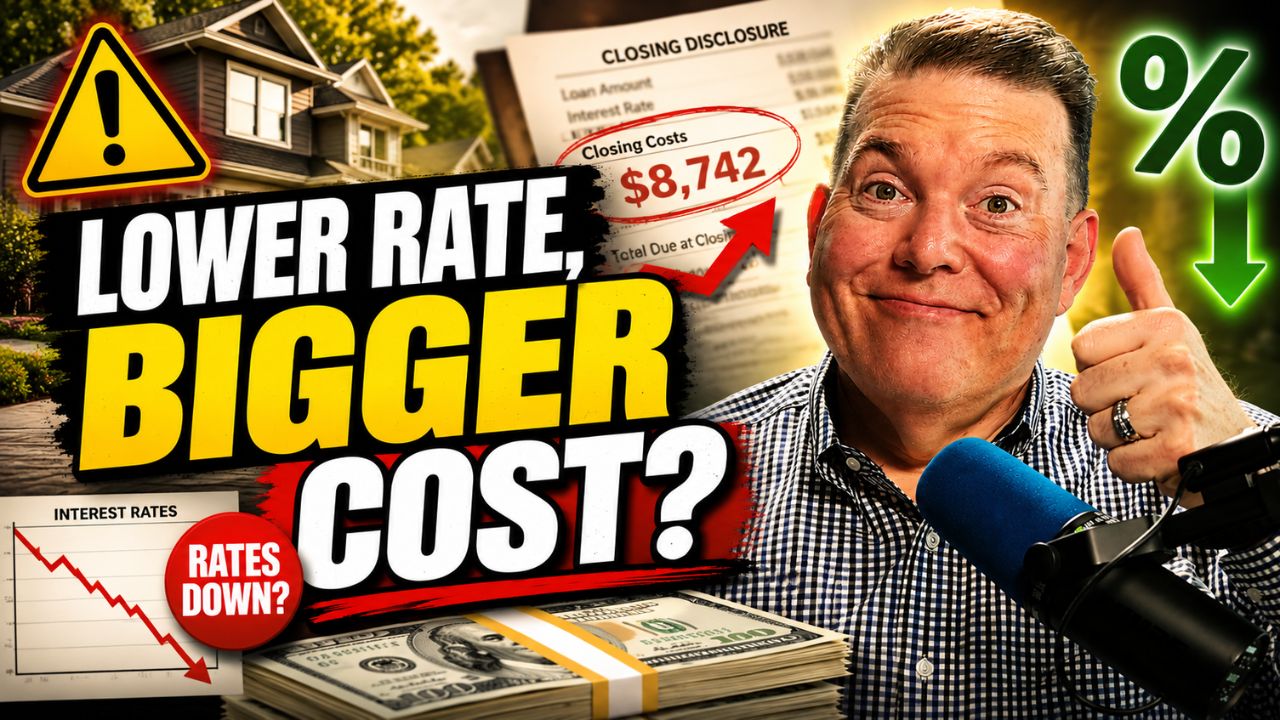
Lower rates don't automatically mean refinancing is the right call. The smartest decision depends on your goals, not the headlines. Here are five questions worth answering before you sign anything.
1. Do You Actually Know Your Current Numbers?
Start with your existing mortgage. Know your interest rate, your monthly payment, and your remaining balance. It sounds basic, but plenty of people can't answer these off the top of their head.
You can't measure a better deal until you know the one you already have.
2. What's the Total Cost, Not Just the Rate?
A lower interest rate sounds great on its own, but refinancing usually comes with closing costs and fees. Calculate how long it takes to recover those costs through your monthly savings, and make sure the long-term benefit actually outweighs the upfront expense.
A lower rate isn't automatically a lower cost.
3. How Long Do You Plan to Stay in This Home?
Are you planning to move in two years, or stay for another twenty? The longer you stay, the more valuable refinancing tends to become, since you have more time to recover those closing costs and benefit from the lower rate.
The best mortgage is the one that fits the life you're actually living, not the one making headlines this week.
4. Are You Letting the News Make This Decision for You?
Financial headlines are built to grab attention, not to reflect your specific situation. Ignore the pressure to act quickly just because a friend refinanced or a headline says rates are falling. Base the decision on your own numbers.
Headlines speak to the crowd. Wisdom speaks to your situation.
5. What Will You Actually Do With the Savings?
If refinancing lowers your monthly payment, resist the urge to simply absorb that extra cash into everyday spending. Use it intentionally: pay down principal, build your emergency fund, or invest for the future.
A smaller payment is only a blessing if it improves where you're headed.
A Word on Timing and Trust
Wise stewardship doesn't always mean finding the absolute lowest price. Sometimes it just means making a thoughtful decision instead of an emotional one. Faith doesn't promise perfect timing or that you'll catch the lowest possible rate. It does promise that wisdom is available to anyone who asks for it, and that patience often protects us more than urgency ever could.
You don't have to make the perfect decision. You just need to make a wise one.
Today's Win
Review your current mortgage. Write down your interest rate, monthly payment, and remaining loan balance. Then compare any refinancing offers using total cost, not just the advertised rate. The best financial decisions start with understanding where you stand right now.
Bible Verse
"Plans go wrong for lack of advice; many advisers bring success." — Proverbs 15:22 (NLT)
The Bottom Line
Refinancing isn't about chasing headlines. It's about understanding your numbers, knowing your current mortgage, weighing the total cost, and thinking long term. If refinancing turns out to be the right move for you, put any savings to work rather than letting them disappear into everyday spending.
Have a financial question of your own? Send it in at financiallyconfidentchristian.com/question, or leave a voicemail at financiallyconfidentchristian.com/voicemail and Ralph might answer it on the show.

Christian Financial Consulting
Ralph V. Estep, Jr. is a Delaware-based licensed accountant, author, rancher, and media host with more than 30 years of experience in finance, taxation, and small-business leadership. As the founder of Saggio Accounting+PLUS and the creator of the Ask Ralph Media network, Ralph helps entrepreneurs, creators, and everyday families replace money confusion with clarity, confidence, and practical next steps—without shame and without hype.
Ralph’s work blends deep professional expertise with a coach’s mindset and a communicator’s heart. He has held leadership roles across public accounting, financial institutions, law firms, and technology organizations, bringing a rare combination of traditional accounting rigor and modern systems thinking to the people he serves. A graduate of the University of Delaware and Wilmington University (MBA), Ralph is known for turning complex money topics into simple, repeatable frameworks that help people make wiser decisions and build lasting financial stability.
Through Ask Ralph Media, Ralph hosts multiple shows designed to meet people where they are and guide them forward. He is the host of Financially Confident Christian, a daily, faith-based show offering warm, pastoral encouragement for listeners who want peace and practical wisdom with their finances.
He also hosts Truth Unveiled with Ralph, a weekly program that contrasts cultural pressure with biblical truth and invites listeners into deeper spiritual and practical alignment. For small business owners, Ralph leads Grit and Growth Business, spotlighting real sto… Read More
The Real Reason Couples Keep Having the Same Money Fight