What to Do With a $311,000 Inheritance: A Practical Roadmap

Your mother is gone. You're still processing that. And now there's over $300,000 in accounts with your name on it—some from her life insurance, some from savings, some from a house still working through probate.
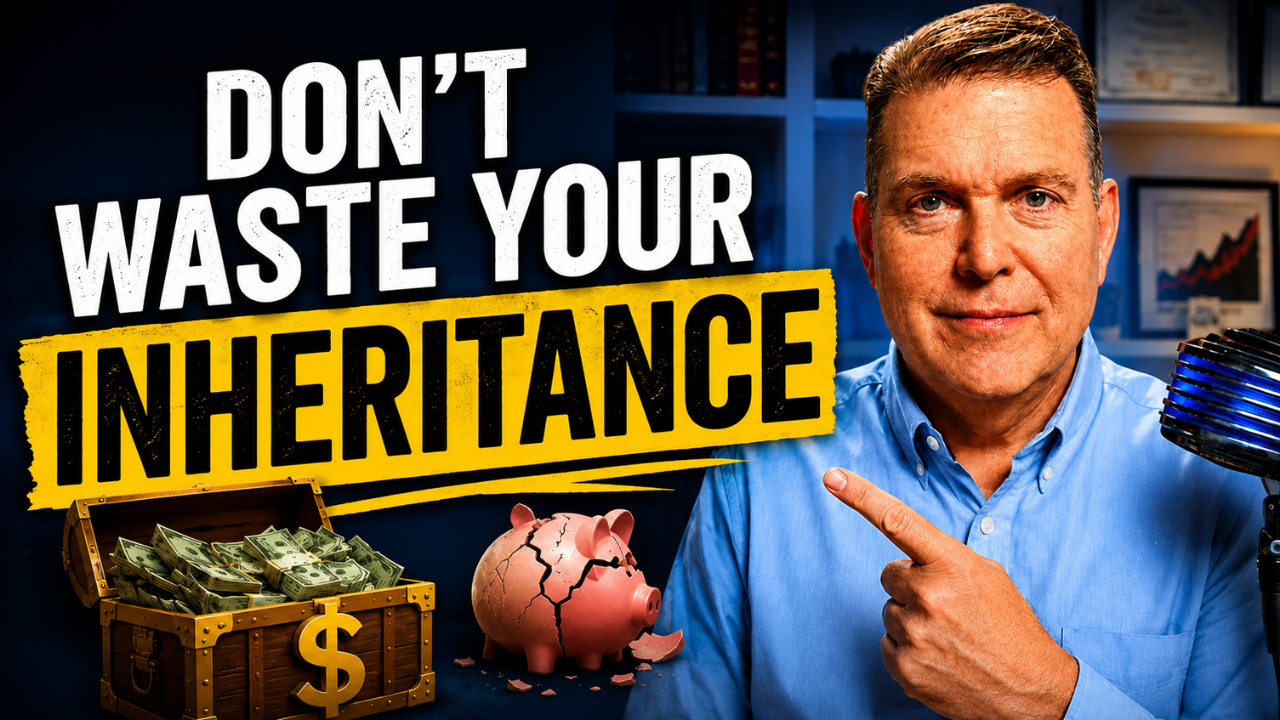
The paralysis is real
You have money, yet you also have grief. You have options, yet you don't know which one to pick. Every financial advisor who calls seems certain about a different direction. Invest it. Protect it. Diversify it. Buy something.
Meanwhile, you're still figuring out how to exist without your mother.
I lost my mother three years ago. I remember this moment. The money didn't feel like freedom. It felt like a responsibility I wasn't ready to carry.
Here's what actually matters right now
You have $19,000 in debt. Credit cards, probably. Maybe a personal loan. That debt is costing you money every single month in interest.
Pay it off.
This isn't complicated math. If you're carrying debt at 15% or 20% interest, every month you don't pay it off is money wasted. Use $19,000 of the inheritance to clear it. Your monthly cash flow improves immediately. Your debt-to-income ratio improves. Your credit score improves.
This isn't squandering a gift. This is taking the single clearest action you can take right now.
Once that's done: park the rest safely
You don't need to know what to do with $292,000 today.
Open a high-yield savings account. These pay 4-5% right now, which is better than a regular savings account and significantly safer than volatile investments. Name the account something meaningful—"Mom's Legacy" or whatever feels right to you.
Move the inheritance there. Don't touch it for three months. Maybe six months.
This isn't procrastination. This is about giving yourself time to think clearly instead of making decisions while you're in shock.
The probate pieces
You mentioned a house still in probate. That's complicated, yet it's also separate from the decisions you're making right now. Work with the estate attorney on that timeline. Don't rush it. Probate takes time for a reason.
Once it clears and sells (or you decide to keep it), you'll have another chunk of money. Deal with that when the time comes. Don't borrow trouble or make housing decisions until you actually have clarity on whether you want the house or the proceeds from selling it.
Three months in: ask yourself these questions
Once you've caught your breath and the immediate shock has worn off, sit down with these specific questions:
Do I want to stay in my current home, or am I thinking about moving? This changes everything. A down payment on a house. Renovations to your current place. Staying put saves you from making an emotional real estate decision right now.
Do I have an emergency fund? Not from the inheritance—your own. Three to six months of expenses. If not, set $30,000-$50,000 aside in a regular savings account. You're rebuilding safety, not just managing legacy money.
What did my mother value that I haven't acted on? Education for grandkids? A business she always talked about? Something specific to her memory? Let this guide you, not guilt.
What scares me about making the wrong decision? Write it down. Usually, the fear points to what actually matters to you.
What not to do
Don't make a big purchase in the first six months. Not a car. Not a vacation home. Not a boat. These decisions look good when you're grieving. They hurt when you're back to normal.
Don't split the money among family members because you feel obligated. This is your inheritance. Your future. Not your siblings', not your extended family's.
Don't tell people how much you inherited. Seriously. Money brings out strange behavior in people you thought you knew. Keep this quiet.
Don't invest in anything you don't understand. Someone will pitch you on cryptocurrency, real estate syndication, or a "guaranteed" return. If you don't understand it, say no.
If you need to invest it: start simple
Once you have clarity on what you want to accomplish (house down payment, retirement, education, business), talk to a fee-only financial advisor—someone you pay by the hour, not someone who makes commission on what they sell you.
A basic portfolio for long-term money looks like: low-cost index funds in a mix of stocks and bonds. Boring. Reliable. Not sexy, yet it works.
You don't need to pick the perfect investment. You need to avoid the worst ones.
The spiritual part
This money carries weight beyond numbers. It's your mother's work, her sacrifice, her life translated into currency. Using it wisely isn't just good financial sense. It's a way of honoring who she was.
Proverbs 19:8 says, "The one who gets wisdom loves life; the one who cherishes understanding will soon prosper."
Wisdom here isn't rushing. It's asking for help. It's giving yourself space to grieve. It's making decisions from clarity, not panic.
Your next actual step
- This week: Open a high-yield savings account. Move the inheritance there.
- This week: List all your debts with interest rates. Calculate how much you'd save per month by paying off the high-interest ones.
- Next week: If you have a tax professional or financial advisor you trust, schedule a conversation about the probate timeline and any tax implications of the inheritance.
- In three months: Revisit the questions above. Schedule a conversation with a fee-only financial planner if you need guidance on investing.
- Until then: Let yourself grieve. The money isn't going anywhere.
If you're walking this road and want to talk through your specific situation, send your question to financiallyconfidentchristian.com/question. This is exactly what we work through together.
My condolences to you. You're doing better than you think you are.
Stay financially grounded, and may God bless you.
Christian Financial Consulting
Ralph V. Estep, Jr. is a Delaware-based licensed accountant, author, rancher, and media host with more than 30 years of experience in finance, taxation, and small-business leadership. As the founder of Saggio Accounting+PLUS and the creator of the Ask Ralph Media network, Ralph helps entrepreneurs, creators, and everyday families replace money confusion with clarity, confidence, and practical next steps—without shame and without hype.
Ralph’s work blends deep professional expertise with a coach’s mindset and a communicator’s heart. He has held leadership roles across public accounting, financial institutions, law firms, and technology organizations, bringing a rare combination of traditional accounting rigor and modern systems thinking to the people he serves. A graduate of the University of Delaware and Wilmington University (MBA), Ralph is known for turning complex money topics into simple, repeatable frameworks that help people make wiser decisions and build lasting financial stability.
Through Ask Ralph Media, Ralph hosts multiple shows designed to meet people where they are and guide them forward. He is the host of Financially Confident Christian, a daily, faith-based show offering warm, pastoral encouragement for listeners who want peace and practical wisdom with their finances.
He also hosts Truth Unveiled with Ralph, a weekly program that contrasts cultural pressure with biblical truth and invites listeners into deeper spiritual and practical alignment. For small business owners, Ralph leads Grit and Growth Business, spotlighting real sto… Read More

You Beat the Spending Addiction. Why Does Buying Anything Still Feel Like Relapsing?