Beyond survival mode: Why comfort still feels risky when you've made good money
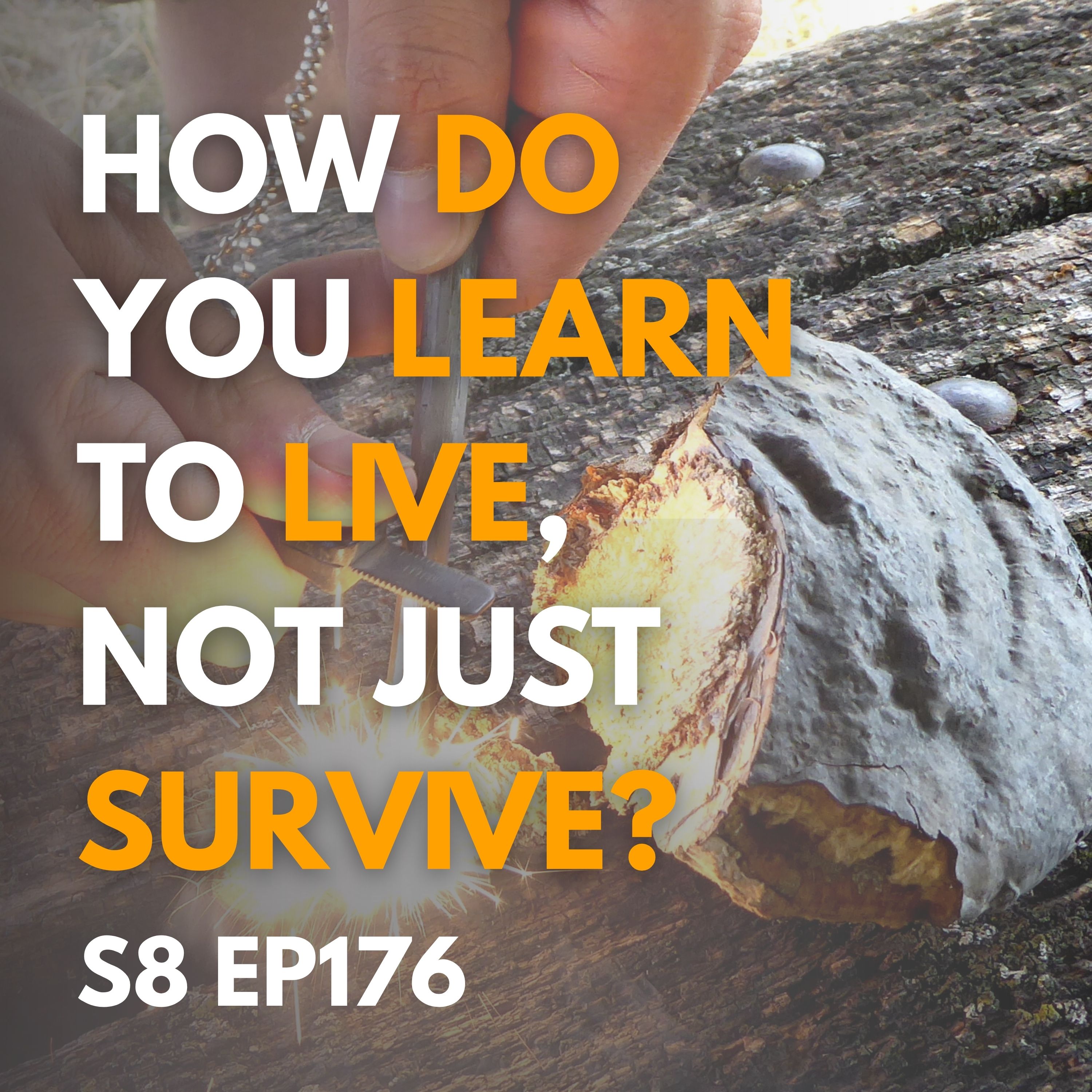
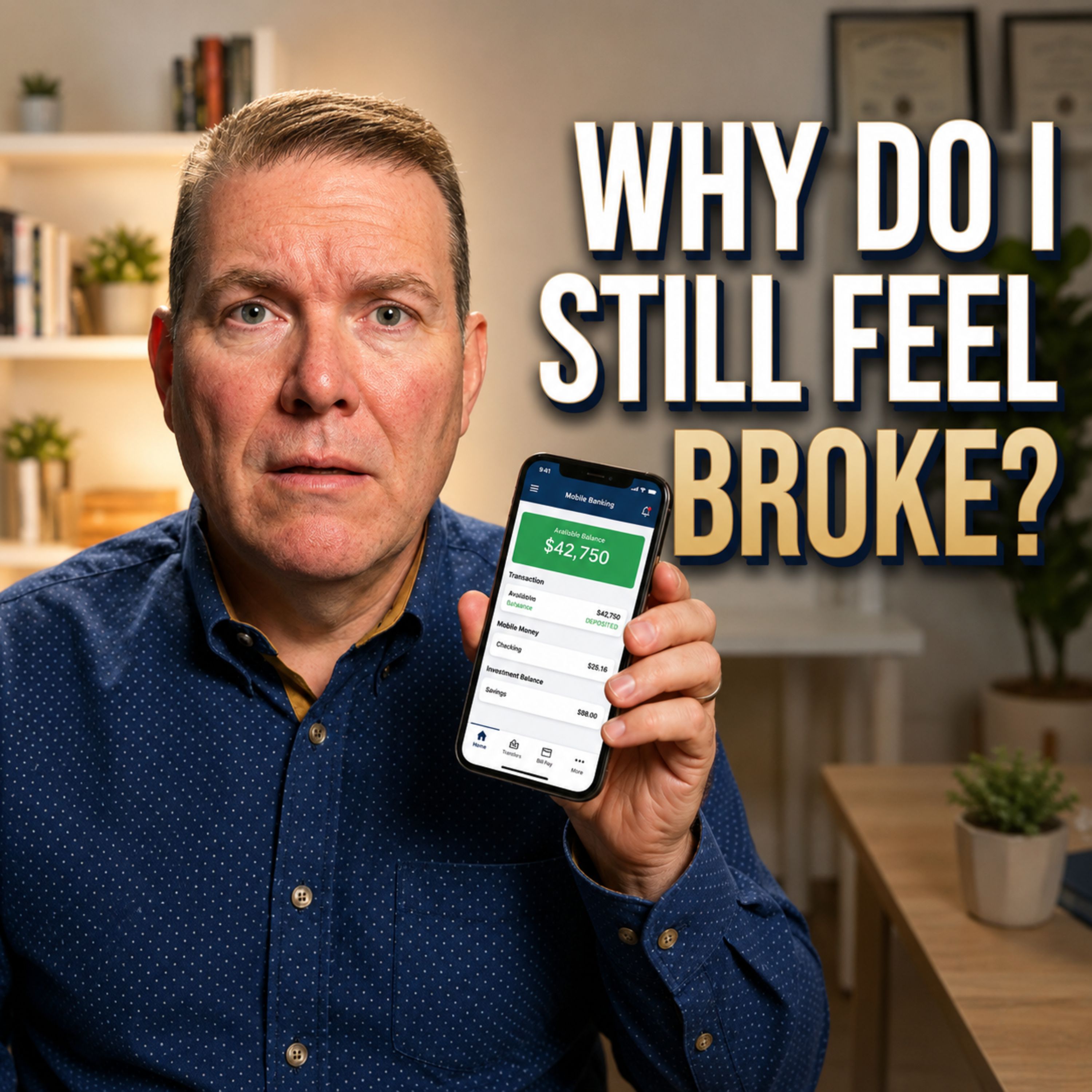
You're finally making good money. Your bank account isn't living paycheck to paycheck anymore. The financial pressure that used to keep you awake at night is gone. And yet. You still eat like you don't have enough. You still hesitate before buying a coffee. You still sleep on a mattress that's been slowly dying for five years because spending money on yourself feels wasteful. Beyond survival mode: Why comfort still feels risky when you've made good money
Your mind knows you're financially stable. Your body doesn't believe it yet.
I call this the poverty imprint problem. It's not about how much money you make. It's about what deprivation taught you. And those lessons don't go away just because your income did.
What does poverty imprint really mean
When you've lived without, your brain rewired itself for scarcity. Every dollar felt critical. Every comfort felt irresponsible. You learned to be grateful for less because less was all you had.
That rewiring saved you. It got you through. It taught you to be resourceful, to sacrifice, to work hard.
But now that you're stable, that same wiring is holding you hostage.
A listener from Canada reached out recently. She makes around $20,000 a month. By any measure, she's doing well. And yet she told me she still can't enjoy it. She still buys the cheapest groceries. She still wears clothes that don't fit her well because they were cheap. She still hesitates before spending money on anything that feels like a "want" instead of a "need."
She wasn't being wise. She was being haunted.
The guilt that comes with comfort
Here's what she said: "I feel guilty for wanting nice things. I feel like wanting comfort makes me wasteful. Like wanting to enjoy my life means I'm doing something wrong."
That's the poverty imprint speaking. It's telling her that comfort is dangerous. That abundance is suspicious. That if she lets herself enjoy what she has, something will be taken away.
I've worked with hundreds of people who made this same jump from struggling to stable. And almost all of them hit the same wall: They can earn the money. They struggle to spend it on themselves.
The problem isn't that they're wise with money. The problem is that they're punishing themselves for having it.
Comfort is not wastefulness.
Enjoying your provision is not irresponsibility. God is not punishing you for wanting to sleep on a good mattress, eat food that tastes good, or wear clothes that fit.
You don't have to earn the right to live decently.
I know that's hard to believe if you spent years without. Your nervous system learned that comfort meant danger. Those upgrades meant you were failing. That enjoying something meant it would be taken away.
That was real once. It's not real now.
But your body doesn't know that. So here's what we need to do: give your body permission to learn otherwise.
Create a "quality of life" category in your budget. Not luxury. Not indulgence. Quality of life.
Decide on an amount each month, something you can actually afford without guilt. Maybe $300. Maybe $500. Whatever feels reasonable to you. And then use that money specifically for things that improve your daily experience.
Not for emergencies. Not for obligations. For you.
This might mean:
Replacing your five-year-old mattress with one that doesn't hurt your back. Buying groceries that taste good, not just groceries that fill your stomach. Getting a decent coffee maker instead of instant packets. Replacing worn-out clothes with things that fit. Paying for a massage once a month. A gym membership. Better pillows. Blackout curtains for better sleep. A plant for your kitchen.
These aren't luxuries. They're not frivolous. They're the baseline of a humane life.
And if your poverty imprint is screaming right now that this is wasteful, listen to what it's really saying: You don't feel safe enough to be comfortable. And that's the thing we need to fix.
Upgrade your basics before anything else. The things you use every single day.
Your mattress. The chair you sit in. The clothes you wear. The food you eat. Your bathroom. Your bed. These aren't indulgences. These are the foundation of your daily life. If they're falling apart, you're living in discomfort, and you're calling it wisdom.
It's not wisdom. It's punishment.
A woman I worked with was sleeping on a mattress with a broken spring that poked her every night. She was tired all the time. Her mood was bad. Her work suffered. But she couldn't justify spending $800 on a new mattress because "that's wasteful."
I asked her: Is your health worth $800 a month spread over ten years of better sleep?
She said yes. And then she finally bought the mattress.
That's what quality-of-life spending is. It's not luxury. It's you deciding that you're worth basic comfort.
Some of you are thinking: Isn't it more spiritual to deny myself? Isn't comfort actually selfish?
No.
God is not asking you to suffer. God is not keeping a scorecard where the person who lives most miserably wins. That's not stewardship. That's self-punishment disguised as humility.
Ecclesiastes 5:18 says it this way: "When God gives someone wealth and possessions, and the ability to enjoy them, to accept their lot and be happy in their toil, this is a gift of God."
A gift of God.
Not a test. Not a trap. A gift.
Your ability to earn money and your ability to enjoy what that money provides are both from God. Using your money to sleep better, eat better, and live more comfortably isn't selfish. It's accepting the gift God gave you.
But it requires permission. And if you grew up without, that permission has to come from you.
List out the categories that matter for daily life: food, sleep, clothing, home, health, work, travel.
For each one, write down one thing that would improve your daily experience. Not something expensive. Just something real.
Better groceries. A new mattress. Shoes that fit. A kitchen you actually enjoy. A doctor's visit without financial stress. Faster internet. A direct flight instead of connecting flights.
That's your quality-of-life list. Not all at once. One at a time. As you're able.
This is what moving beyond survival mode looks like. It's not about becoming wealthy. It's about learning that you're safe enough to be comfortable. And that learning takes time.
But you deserve that time. You deserve that comfort.
If you're carrying this tension, this guilt about money even when you have enough, I want to hear from you. Reach out at financiallyconfidentchristian.com/question. Your story matters, and you're not alone in this.
Stay financially savvy.

Christian Financial Consulting
Ralph V. Estep, Jr. is a Delaware-based licensed accountant, author, rancher, and media host with more than 30 years of experience in finance, taxation, and small-business leadership. As the founder of Saggio Accounting+PLUS and the creator of the Ask Ralph Media network, Ralph helps entrepreneurs, creators, and everyday families replace money confusion with clarity, confidence, and practical next steps—without shame and without hype.
Ralph’s work blends deep professional expertise with a coach’s mindset and a communicator’s heart. He has held leadership roles across public accounting, financial institutions, law firms, and technology organizations, bringing a rare combination of traditional accounting rigor and modern systems thinking to the people he serves. A graduate of the University of Delaware and Wilmington University (MBA), Ralph is known for turning complex money topics into simple, repeatable frameworks that help people make wiser decisions and build lasting financial stability.
Through Ask Ralph Media, Ralph hosts multiple shows designed to meet people where they are and guide them forward. He is the host of Financially Confident Christian, a daily, faith-based show offering warm, pastoral encouragement for listeners who want peace and practical wisdom with their finances.
He also hosts Truth Unveiled with Ralph, a weekly program that contrasts cultural pressure with biblical truth and invites listeners into deeper spiritual and practical alignment. For small business owners, Ralph leads Grit and Growth Business, spotlighting real sto… Read More
Why Your Credit Card Balance Keeps Rising Even After You Stopped Using It