Building financial consistency: Staying on track when life gets busy

Life often feels like an endless cycle of starting over with money. You make plans, you mean it, and then somewhere between the busyness and the exhaustion, you end up right back where you started. I get it. I'm Ralph Estep Jr., and welcome to Financially Confident Christian, where we work to break the cycle of financial shame and build real confidence instead. Building financial consistency: Staying on track when life gets busy
Understanding the challenge
A listener wrote in recently: "Ralph, I keep planning to get serious about my money, but life gets busy and I fall back into old habits. I care, but I'm tired, distracted, and unsure where to focus."
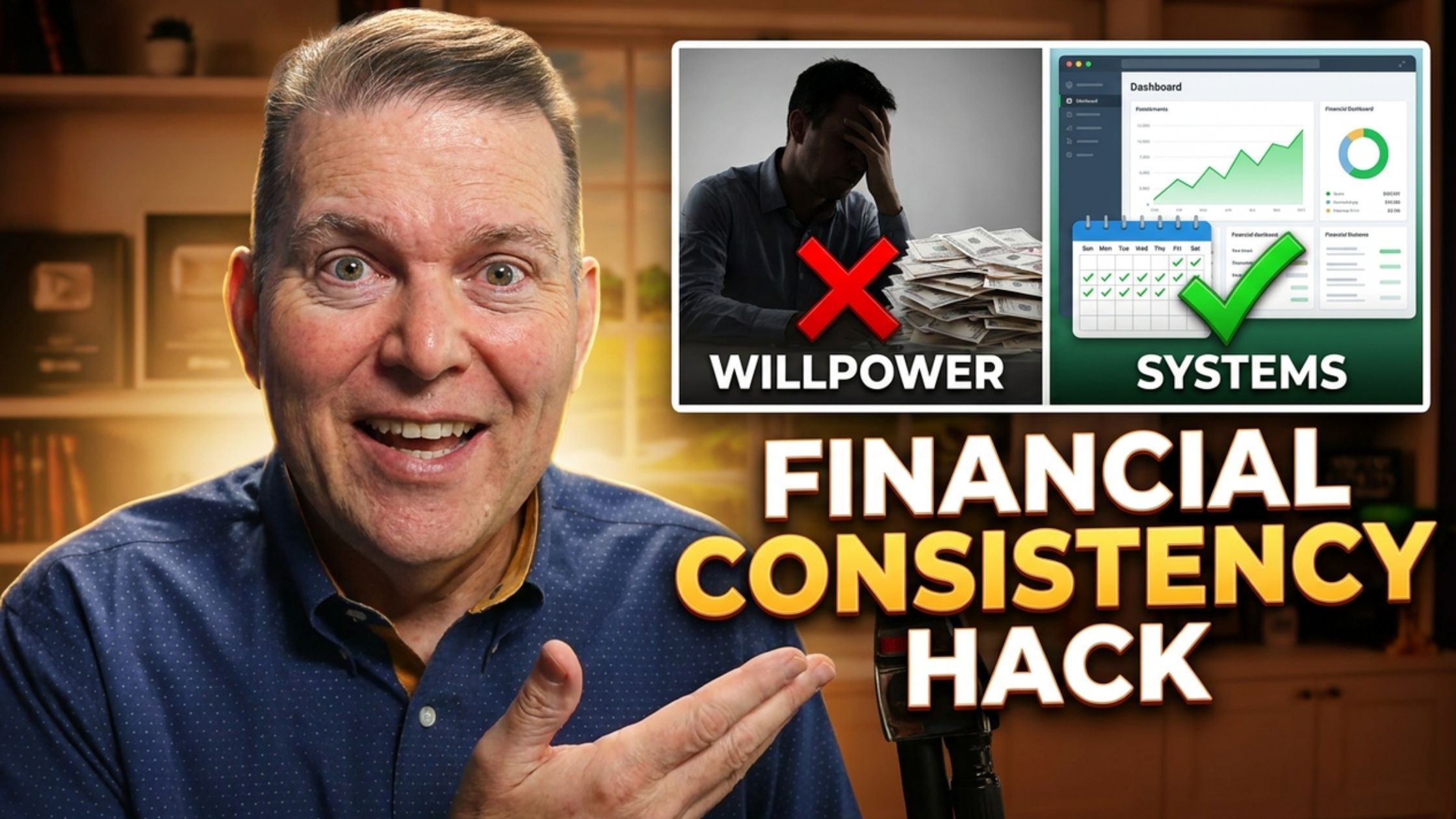
That hit close to home for a lot of us. And here's the thing: it's rarely about not caring. It's about being at capacity. When you're exhausted, what you don't need is another 17-step plan. You need something so small it barely takes effort.
Shrinking your system
When a system gets too big, it quietly falls apart. So ask yourself: what's the smallest thing that keeps you connected to your money? Maybe it's checking your account once a day. Maybe it's tracking just one budget category. That's it. Small enough to actually do, consistent enough to build on.
Creating rhythms
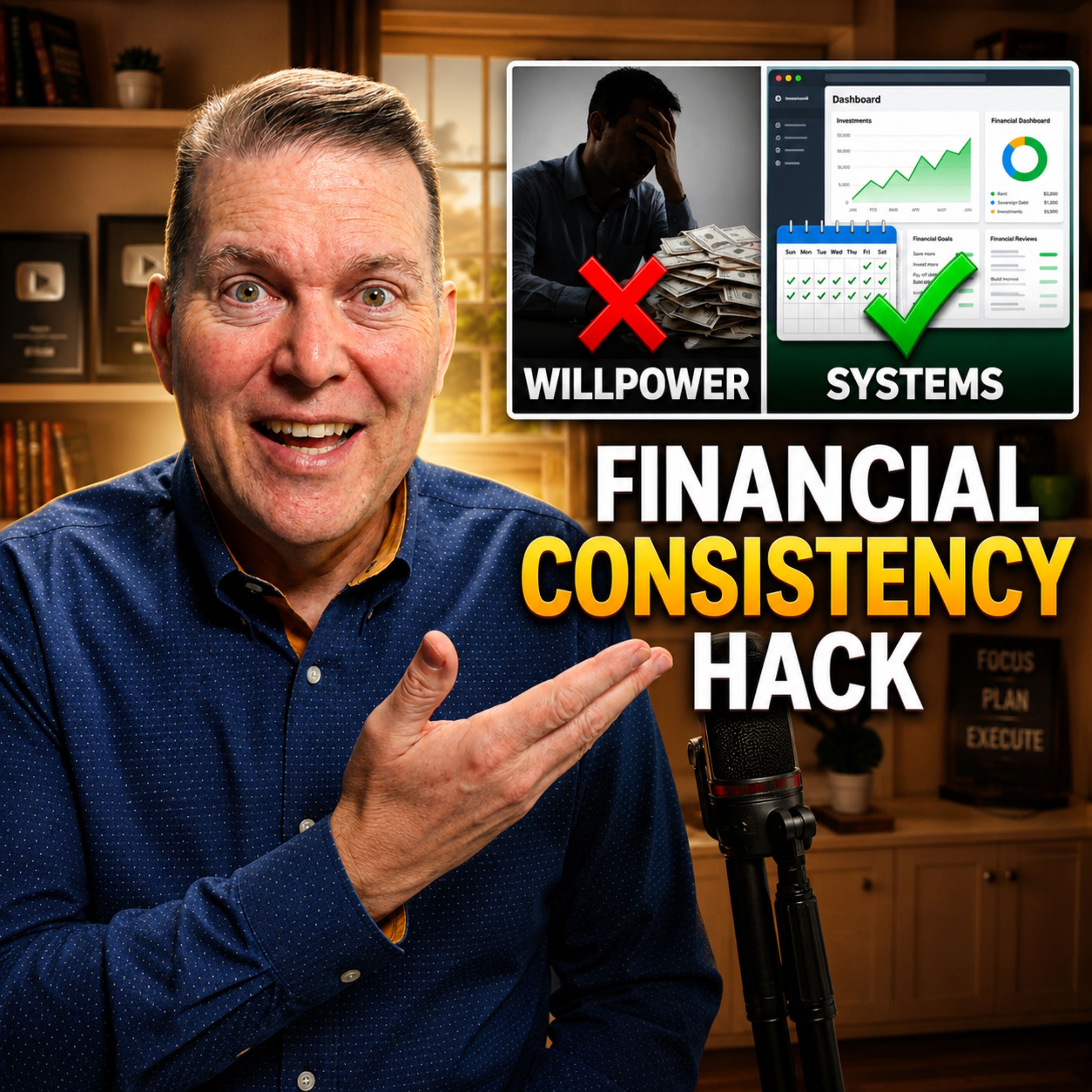
New habits are hard. Attaching a financial task to something you already do is much easier. Check your bank account right after your morning coffee. Do a quick Friday afternoon review. Once it's tied to an existing routine, you're not relying on motivation anymore. The habit does the work.
Reducing decision fatigue
The more decisions you have to make, the more likely you are to skip them when you're worn out. Automate your bills. Set a default spending limit for certain categories. The fewer choices your tired brain has to make, the more consistent you'll be.
Focusing on one habit
Don't try to fix everything at once. Pick one habit and do it well. A ten-minute Sunday night check-in where you just look at where things stand, no judgment, no overhaul. Or a quick balance check before any non-essential purchase. One small, honest habit done consistently will do more than a perfect plan you abandon by Thursday.
Embracing imperfection
Consistency isn't about never missing a day. It's about coming back. Off days happen. They're not failures, they're just part of the process. Every time you return to the habit, you're strengthening it, not starting over. Put one small financial task on your calendar this week. That's the whole ask.
Finding guidance in faith
Hebrews 2:1 says, "We must pay the most careful attention, therefore, to what we have heard so that we do not drift away." Small, intentional steps are how we keep from drifting. You don't have to overhaul everything. You just have to keep bringing your focus back, gently and repeatedly.
A prayer for strength
Heavenly Father, I lift up my friend who feels tired and distracted. You see their desire and their genuine effort. Grant them the clarity to simplify their approach, the strength to take small steps, and the grace when they falter. Help us build steady habits that lead to lasting change, knowing we don't need to do everything, just keep showing up. Walk with us. Amen.
Conclusion
Small, consistent steps tend to outlast perfect intentions. If you're stuck in the cycle, you don't have to figure it out alone. Send your questions to financiallyconfidentchristian.com/question. Let's simplify this together. Stay financially savvy, take it one day at a time, and may God bless you.

Christian Financial Consulting
Ralph V. Estep, Jr. is a Delaware-based licensed accountant, author, rancher, and media host with more than 30 years of experience in finance, taxation, and small-business leadership. As the founder of Saggio Accounting+PLUS and the creator of the Ask Ralph Media network, Ralph helps entrepreneurs, creators, and everyday families replace money confusion with clarity, confidence, and practical next steps—without shame and without hype.
Ralph’s work blends deep professional expertise with a coach’s mindset and a communicator’s heart. He has held leadership roles across public accounting, financial institutions, law firms, and technology organizations, bringing a rare combination of traditional accounting rigor and modern systems thinking to the people he serves. A graduate of the University of Delaware and Wilmington University (MBA), Ralph is known for turning complex money topics into simple, repeatable frameworks that help people make wiser decisions and build lasting financial stability.
Through Ask Ralph Media, Ralph hosts multiple shows designed to meet people where they are and guide them forward. He is the host of Financially Confident Christian, a daily, faith-based show offering warm, pastoral encouragement for listeners who want peace and practical wisdom with their finances.
He also hosts Truth Unveiled with Ralph, a weekly program that contrasts cultural pressure with biblical truth and invites listeners into deeper spiritual and practical alignment. For small business owners, Ralph leads Grit and Growth Business, spotlighting real sto… Read More
Should You Keep Giving When You're Deep in Debt? Here's How to Think About It