Navigating financial appearances at church: Embracing truth over perception
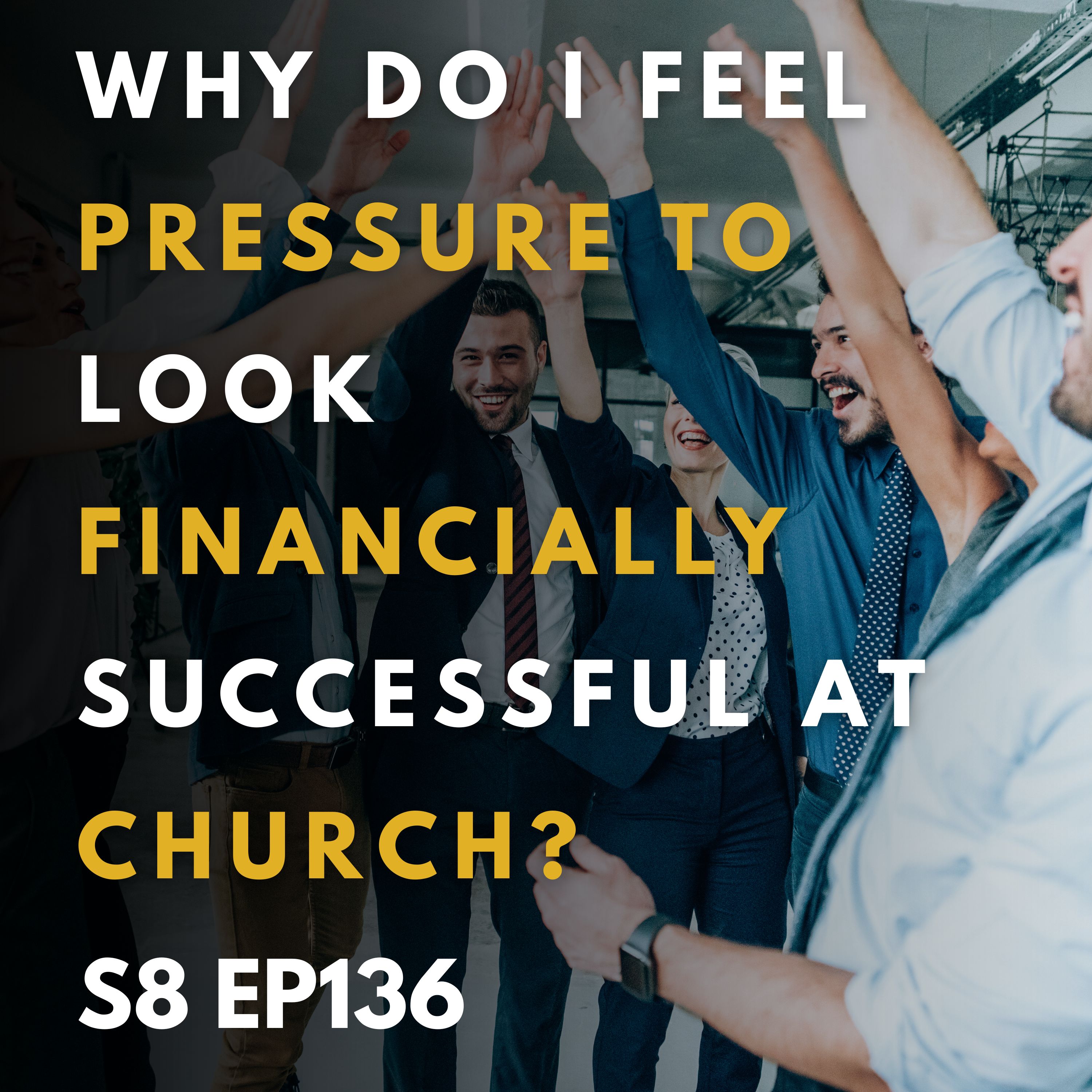
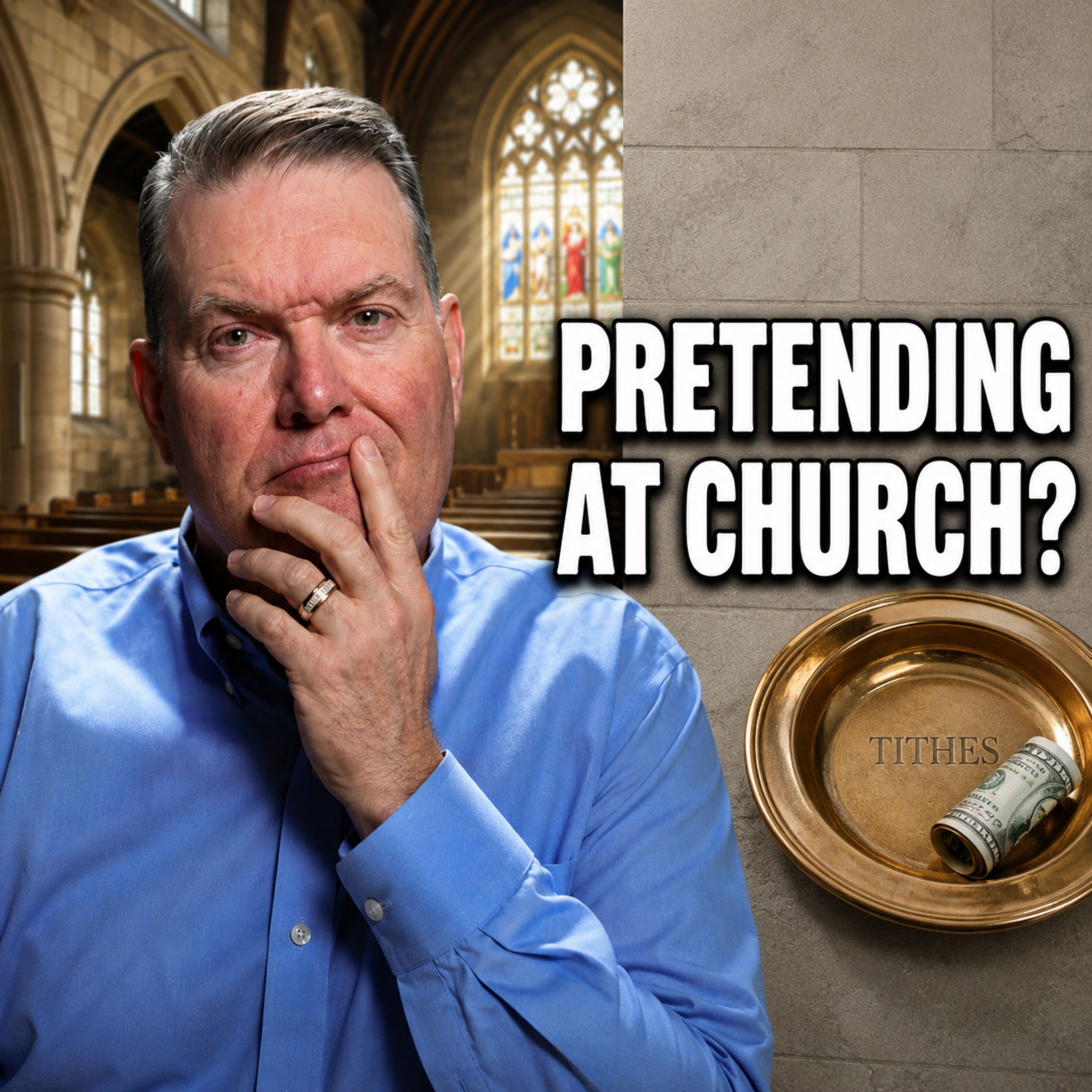
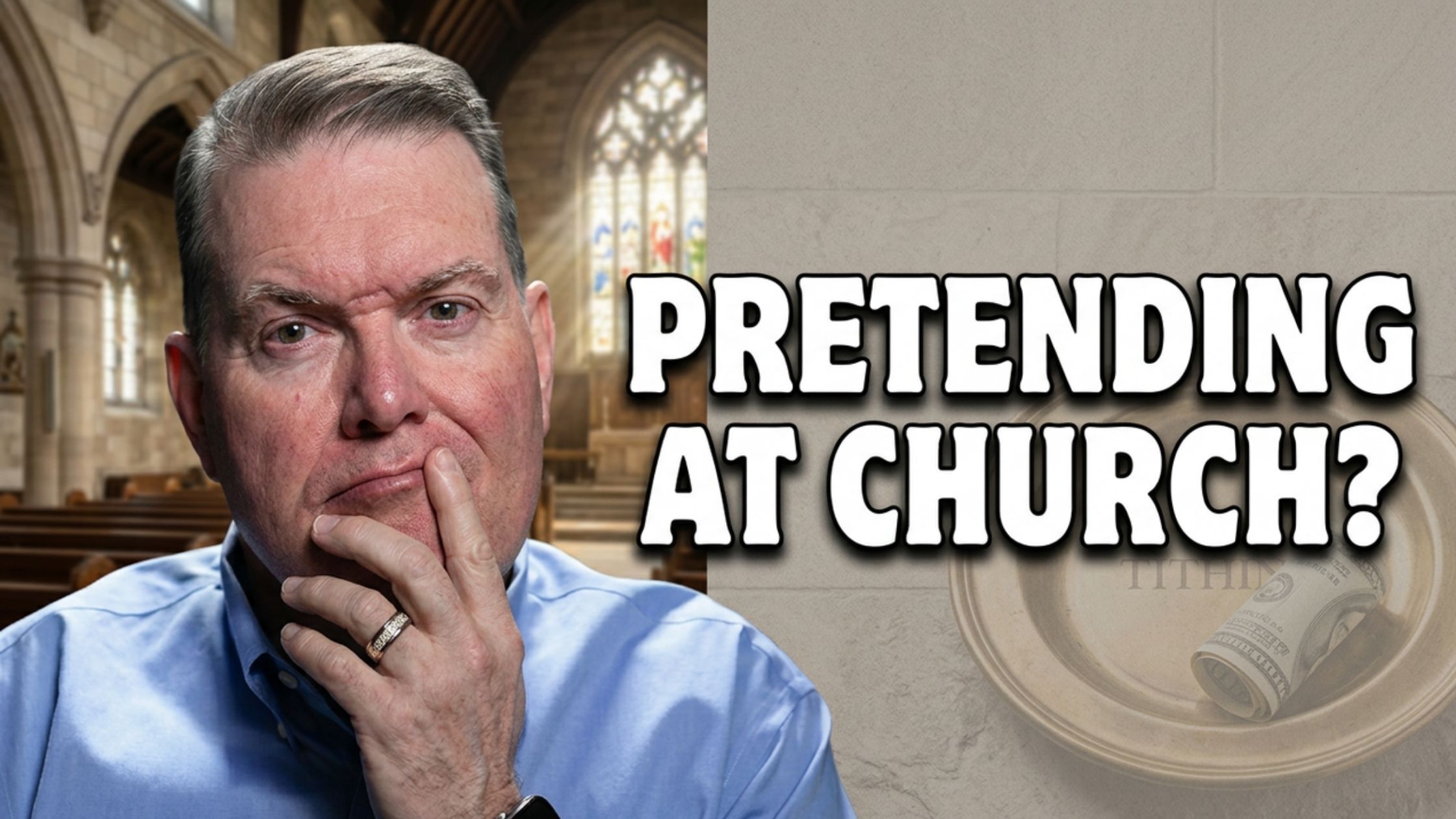
Have you ever walked into church feeling like you needed to look like you had your finances figured out? Like your life should appear stable, even though you know it doesn't match reality? You're not alone. There's a quiet, unspoken pressure in many faith communities to present well, and it wears people down in ways nobody talks about. Let's get into why that pressure exists and what it actually takes to let it go. Navigating financial appearances at church: Embracing truth over perception
The pressure we feel
I'm Ralph Estep Jr., and I host the "Financially Confident Christian" show. My whole thing is helping people break free from financial shame and move toward something steadier. Today's topic hits close to home for many listeners.
One of them put it this way: "Ralph, I feel this quiet pressure at church to look like I have it all together financially, even when I don't. It's exhausting trying to keep up appearances and measure up to what others seem to have." That one sentence captures something a lot of us carry around without naming it.
Where the pressure comes from
Here's the thing: God isn't the source of that pressure. God doesn't measure your worth by your bank account or what you drive to the parking lot. The pressure comes from three sources: comparison, assumptions, and unspoken expectations. We look at what others seem to have and decide it means something about where they are. But most of what we're reading into is surface. A nice outfit doesn't mean there's no credit card debt behind it.
Church is supposed to be for people who are broken, not a stage for people who have arrived. Remembering that changes how you walk through the door.
Choosing truth over performance
Lacking financial stability is exhausting, and it doesn't lead anywhere good. At some point, you have to ask yourself: What does "having it all together" actually mean? It's not zero debt. It's not a perfect balance sheet. It's being honest with yourself about where you are.
Think about sitting at your kitchen table after the kids are in bed, the house quiet, and actually looking at the numbers without flinching. Nothing about your situation magically changes in that moment. But something shifts in you. Accepting where you are is what makes real change possible.
Anchoring your worth in something that doesn't fluctuate
Comparison will take your peace if you let it. Your identity isn't shaped by what the person in the next pew seems to have. It's grounded in your relationship with God, who already knows you fully and doesn't need you to put on a show. That's the anchor. You don't have to prove anything to anyone.
A practical starting point
Pick one area where you're performing rather than being honest. Just one. And choose honesty there instead. That's it. That's the action.
The Bible makes this plain. 1 Samuel 16:7 says that while people look at outward appearances, God looks at the heart. You're already seen for what actually matters.
Closing
Let's close with a prayer. Heavenly Father, free us from the weight of comparison and the pressure to impress. Give us the peace and courage to live honestly under your love. Amen.
If you're ready to drop the comparisons and start living more authentically in your finances, I want to hear from you. Visit financiallyconfidentchristian.com/voicemail to share your story. We're building something here, and it's not about looking good. It's about getting real.

Christian Financial Consulting
Ralph V. Estep, Jr. is a Delaware-based licensed accountant, author, rancher, and media host with more than 30 years of experience in finance, taxation, and small-business leadership. As the founder of Saggio Accounting+PLUS and the creator of the Ask Ralph Media network, Ralph helps entrepreneurs, creators, and everyday families replace money confusion with clarity, confidence, and practical next steps—without shame and without hype.
Ralph’s work blends deep professional expertise with a coach’s mindset and a communicator’s heart. He has held leadership roles across public accounting, financial institutions, law firms, and technology organizations, bringing a rare combination of traditional accounting rigor and modern systems thinking to the people he serves. A graduate of the University of Delaware and Wilmington University (MBA), Ralph is known for turning complex money topics into simple, repeatable frameworks that help people make wiser decisions and build lasting financial stability.
Through Ask Ralph Media, Ralph hosts multiple shows designed to meet people where they are and guide them forward. He is the host of Financially Confident Christian, a daily, faith-based show offering warm, pastoral encouragement for listeners who want peace and practical wisdom with their finances.
He also hosts Truth Unveiled with Ralph, a weekly program that contrasts cultural pressure with biblical truth and invites listeners into deeper spiritual and practical alignment. For small business owners, Ralph leads Grit and Growth Business, spotlighting real sto… Read More

Student Loan in Default? Here's What Happens Before Wage Garnishment Starts