Lending Money to Loved Ones: Helpful or Harmful?
Have you ever been caught in the bind of that text—"Can I borrow some money?" I know the feeling well—your heart's in turmoil before you even have time to process the request. It’s a dilemma that many of us have faced, a crossroads where love meets financial strain. My name is Ralph Estep Jr., and on today's Financially Confident Christian blog, I'm diving into one of the weightiest questions I receive: Does lending money to loved ones strengthen or strain the relationship? Lending Money to Loved Ones: Helpful or Harmful?
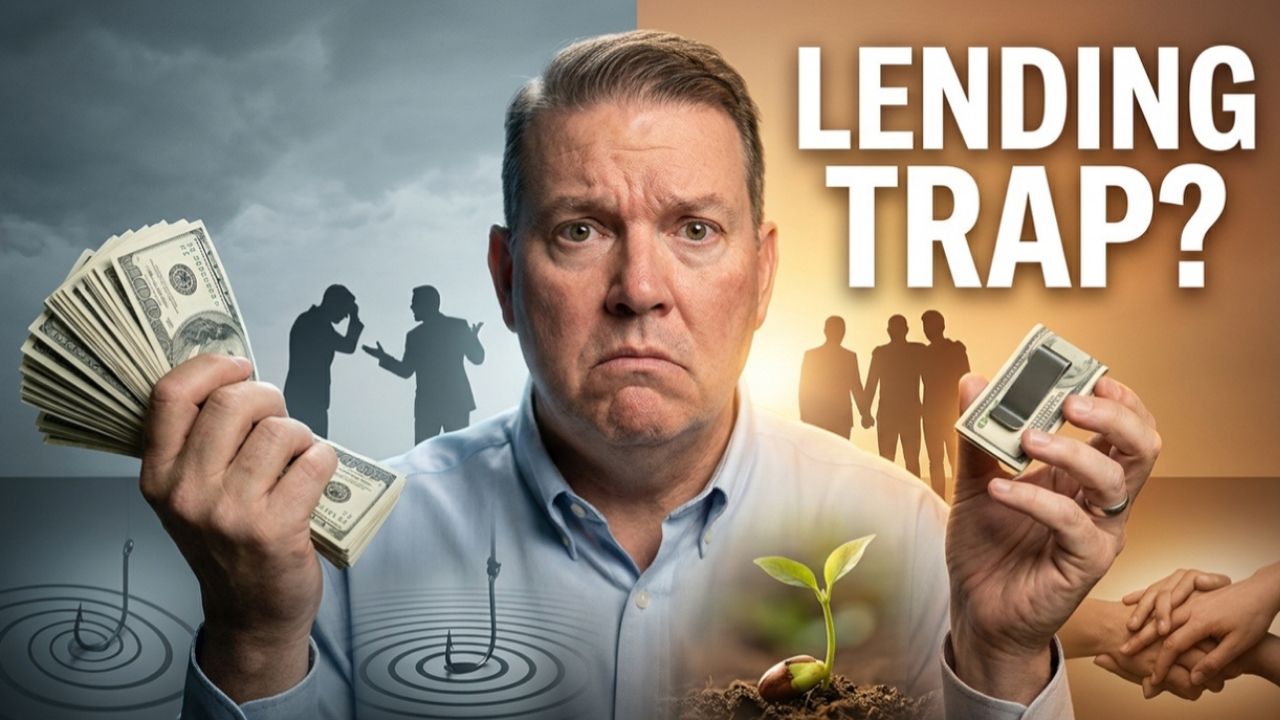
The Relationship vs. The Transaction
When the lines between money and relationships blur, the stakes can feel incredibly high. It’s crucial to start by asking yourself: Are you more invested in preserving the relationship or the transaction? Prioritizing the relationship can mean making tough decisions to protect both parties involved.
Know Your Capacity
Before you respond to that financial plea, take a step back and scrutinize your financial capacity. Would your household be okay if you never saw that money again? Your primary responsibility is your household's stability. It’s the red light that shouldn’t be ignored if the answer is no.
Decide: Loan or Gift?
Here’s where it often gets sticky: Is it a loan or a gift? I've long advised against loaning money within close relationships. Loans can often create long-term tension, and I believe gifts are a more prudent path to maintain goodwill. The catch? Only give what you can afford to lose. This mindset protects against future resentment and unrealistic expectations.
Spot the Pattern
Before making a decision, assess if this financial request is a one-time occurrence or part of a recurring pattern. Lending a hand during a hard time is one thing; supporting an unsustainable lifestyle is another entirely. Financial support should come with a dose of tough love—acknowledging patterns can lead to more constructive solutions.
Offer Support Beyond Money
Sometimes, offering non-monetary support can be even more valuable. For example, helping a friend or family member create a budget may provide them with long-term financial stability. This was the case when my own son needed help; instead of offering a handout, I helped him devise a financial plan. The outcome was profound—not only did it resolve his immediate need, but it resulted in sustained financial independence.
Make Peace with Discomfort for Long-Term Benefit
Saying no can be challenging, but honesty is a healthier choice than silent resentment. Tension in the short term can lead to peace in the long term. Setting boundaries respects both parties and nurtures the relationship's longevity. If your loved one values the relationship as much as you do, they’ll understand in time.
Your Personal Rule
To navigate these murky waters, write your own set of guidelines. Be clear about what you're prepared to offer financially and adhere to it. This clarity fosters peace and guards your relationship against strain.
As you consider these insights, remember that love doesn’t demand reckless sacrifice. You can show compassion and wisdom in equal measure. If you're uncertain about your own financial dilemmas, I encourage you to reach out. Record a voicemail message for me at financiallyconfidentchristian.com/voicemail. Let’s navigate this journey together.
May your financial decisions be wise and your relationships remain strong. God bless, and have a truly great day.

Christian Financial Consulting
Ralph V. Estep, Jr. is a Delaware-based licensed accountant, author, rancher, and media host with more than 30 years of experience in finance, taxation, and small-business leadership. As the founder of Saggio Accounting+PLUS and the creator of the Ask Ralph Media network, Ralph helps entrepreneurs, creators, and everyday families replace money confusion with clarity, confidence, and practical next steps—without shame and without hype.
Ralph’s work blends deep professional expertise with a coach’s mindset and a communicator’s heart. He has held leadership roles across public accounting, financial institutions, law firms, and technology organizations, bringing a rare combination of traditional accounting rigor and modern systems thinking to the people he serves. A graduate of the University of Delaware and Wilmington University (MBA), Ralph is known for turning complex money topics into simple, repeatable frameworks that help people make wiser decisions and build lasting financial stability.
Through Ask Ralph Media, Ralph hosts multiple shows designed to meet people where they are and guide them forward. He is the host of Financially Confident Christian, a daily, faith-based show offering warm, pastoral encouragement for listeners who want peace and practical wisdom with their finances.
He also hosts Truth Unveiled with Ralph, a weekly program that contrasts cultural pressure with biblical truth and invites listeners into deeper spiritual and practical alignment. For small business owners, Ralph leads Grit and Growth Business, spotlighting real sto… Read More
Should You Keep Giving When You're Deep in Debt? Here's How to Think About It