Why Do Restaurants Look Packed When "Everyone's" Broke? (Here's What the Data Actually Shows)
Why Do Restaurants Look Packed When "Everyone's" Broke? (Here's What the Data Actually Shows)
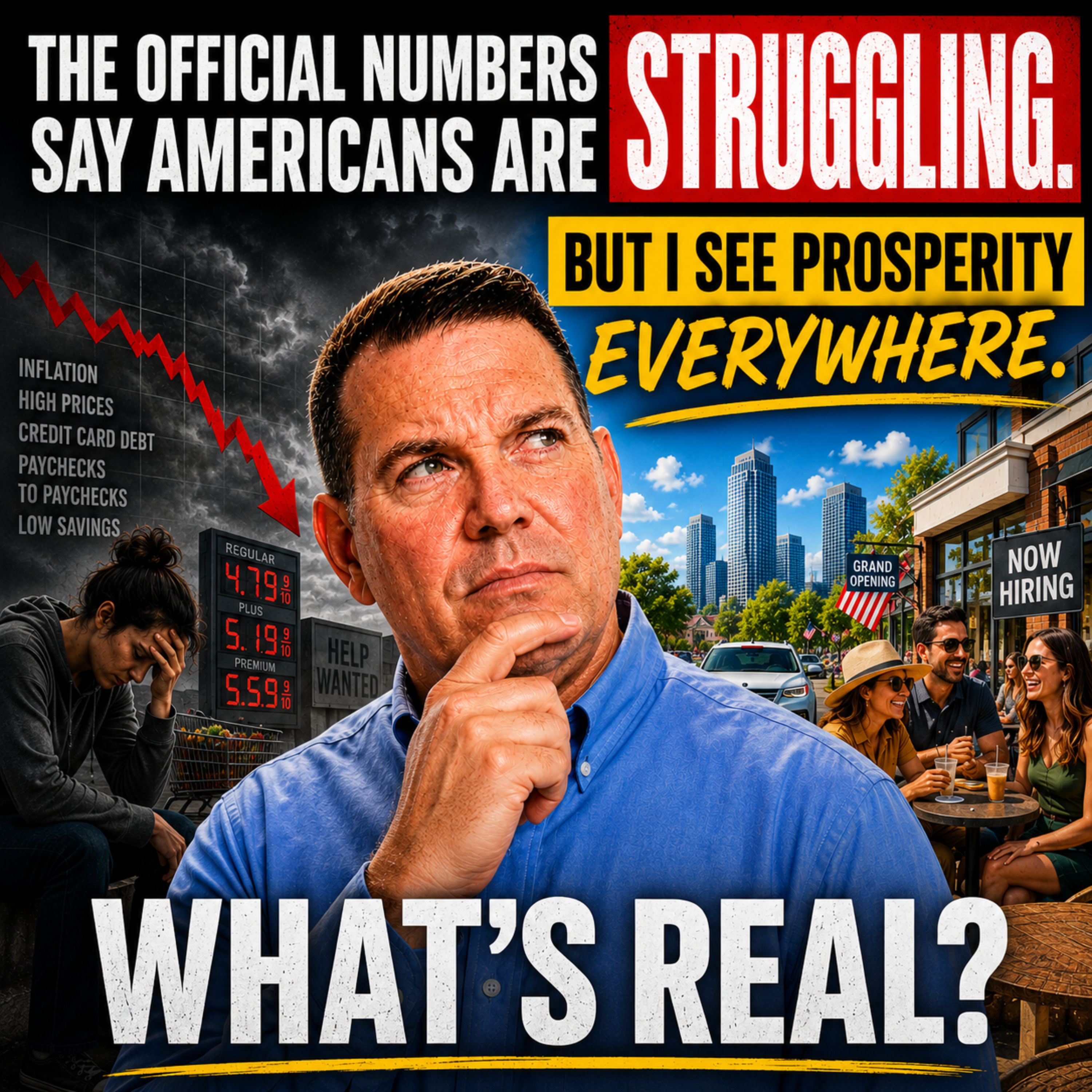
You've seen it too. The news says Americans are drowning in debt. Then you drive past a packed parking lot at the mall, or you're seated next to a family dropping $200 on dinner like it's nothing, and you think: something doesn't add up.
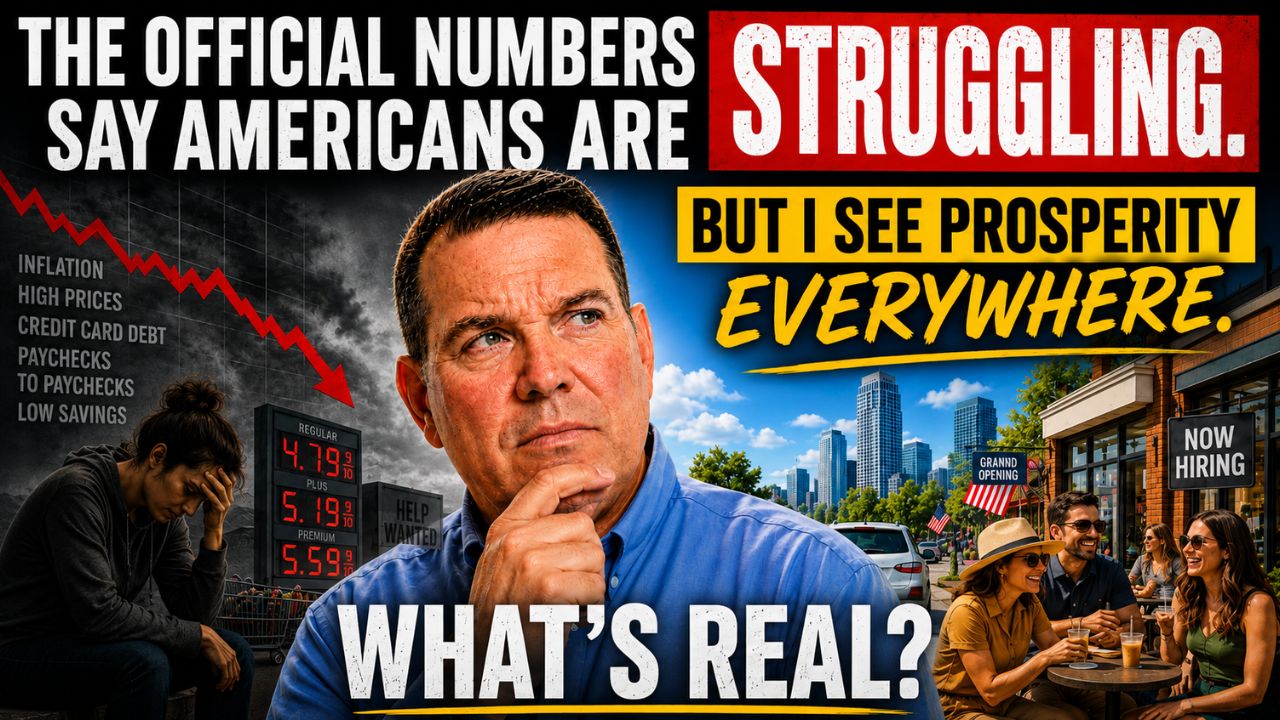
Here's the truth. Both pictures are real. They're just not the same picture.
The gap has a name: visibility bias
You notice people traveling, eating out, driving new cars. You don't notice the person working a second job just to make rent, because that person isn't posting a vacation photo. They're not at the restaurant. They're home, tired, trying to make it to Friday.
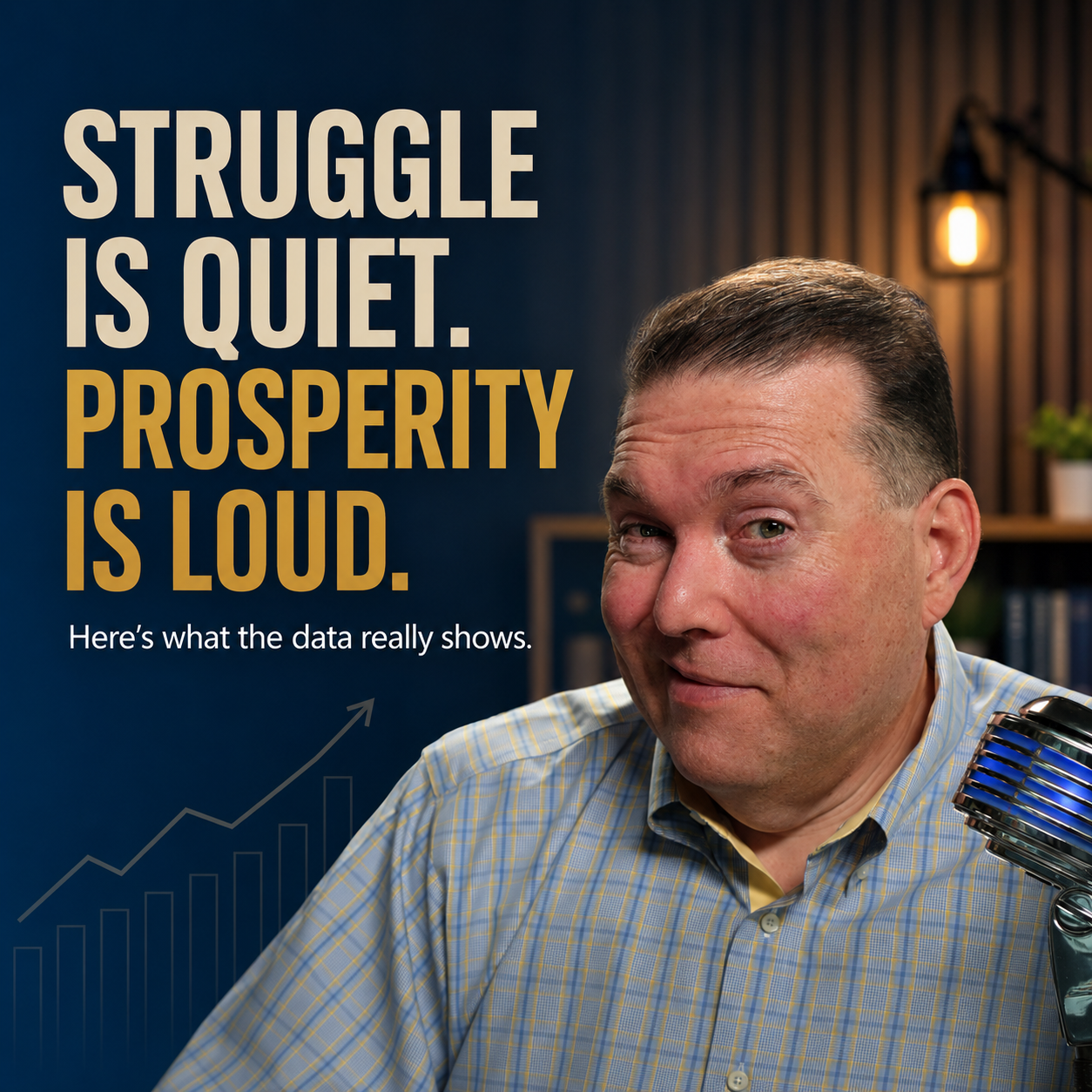
Struggle is quiet. Prosperity is loud. That's not an accident; it's just how attention works.
The numbers behind what you're seeing
The top 10% of Americans hold about 70% of the country's wealth. That's a small group, and they're the ones filling up the premium neighborhoods, the nice cars, the luxury spots you drive past.
Meanwhile, the bottom 50% control somewhere around 2 to 3% of total wealth. That gap has been widening for decades. So when you look around and see prosperity everywhere, you're mostly seeing a small slice of the country, the slice that happens to be the most visible.
Debt can dress up like success
Consumer debt (credit cards, buy now pay later, personal loans) is sitting at record highs. A new car in someone's driveway doesn't tell you whether they own it or whether they're one missed paycheck from losing it. Appearance and financial reality are two different things, and you can't always tell them apart from the outside.
Social media makes this worse. You see the vacation post. You don't see the credit card statement that landed a week later.
So what do you do with this?
Don't let someone else's spending become your budget. That's where this gets dangerous: when the lifestyle around you starts to feel normal, and you start measuring your life against an income that isn't yours.
You don't know what that person in the next lane makes. You don't know what they owe. Comparing your numbers to a stranger's spending is comparing yourself to information you don't actually have.
A faith perspective on it
Proverbs 14:12 puts it plainly: "There is a way that appears to be right, but in the end it leads to death." The way that looks right is usually the way everyone around you seems to be living. It looks successful. It feels normal. But normal and right aren't always the same word.
Faith doesn't promise that copying everyone else works out. It does promise you've been given the wisdom to steward what's actually yours, not what you saw in someone else's driveway.
Today's win
Write down one spending habit you've picked up because it looked normal around you, not because it actually fits your life. A restaurant habit, a travel pattern, an upgrade you've been eyeing. Just name it. You don't have to cut it today. You just have to be honest about why it's there.
You can't fix a pattern you haven't named. Today, you name it.
Christian Financial Consulting
Ralph V. Estep, Jr. is a Delaware-based licensed accountant, author, rancher, and media host with more than 30 years of experience in finance, taxation, and small-business leadership. As the founder of Saggio Accounting+PLUS and the creator of the Ask Ralph Media network, Ralph helps entrepreneurs, creators, and everyday families replace money confusion with clarity, confidence, and practical next steps—without shame and without hype.
Ralph’s work blends deep professional expertise with a coach’s mindset and a communicator’s heart. He has held leadership roles across public accounting, financial institutions, law firms, and technology organizations, bringing a rare combination of traditional accounting rigor and modern systems thinking to the people he serves. A graduate of the University of Delaware and Wilmington University (MBA), Ralph is known for turning complex money topics into simple, repeatable frameworks that help people make wiser decisions and build lasting financial stability.
Through Ask Ralph Media, Ralph hosts multiple shows designed to meet people where they are and guide them forward. He is the host of Financially Confident Christian, a daily, faith-based show offering warm, pastoral encouragement for listeners who want peace and practical wisdom with their finances.
He also hosts Truth Unveiled with Ralph, a weekly program that contrasts cultural pressure with biblical truth and invites listeners into deeper spiritual and practical alignment. For small business owners, Ralph leads Grit and Growth Business, spotlighting real sto… Read More

Why Your Electric Bill Jumped $55 This Summer (And What Actually Fixes It)