The Simplest System to Keep Your Bills from Catching You Off Guard
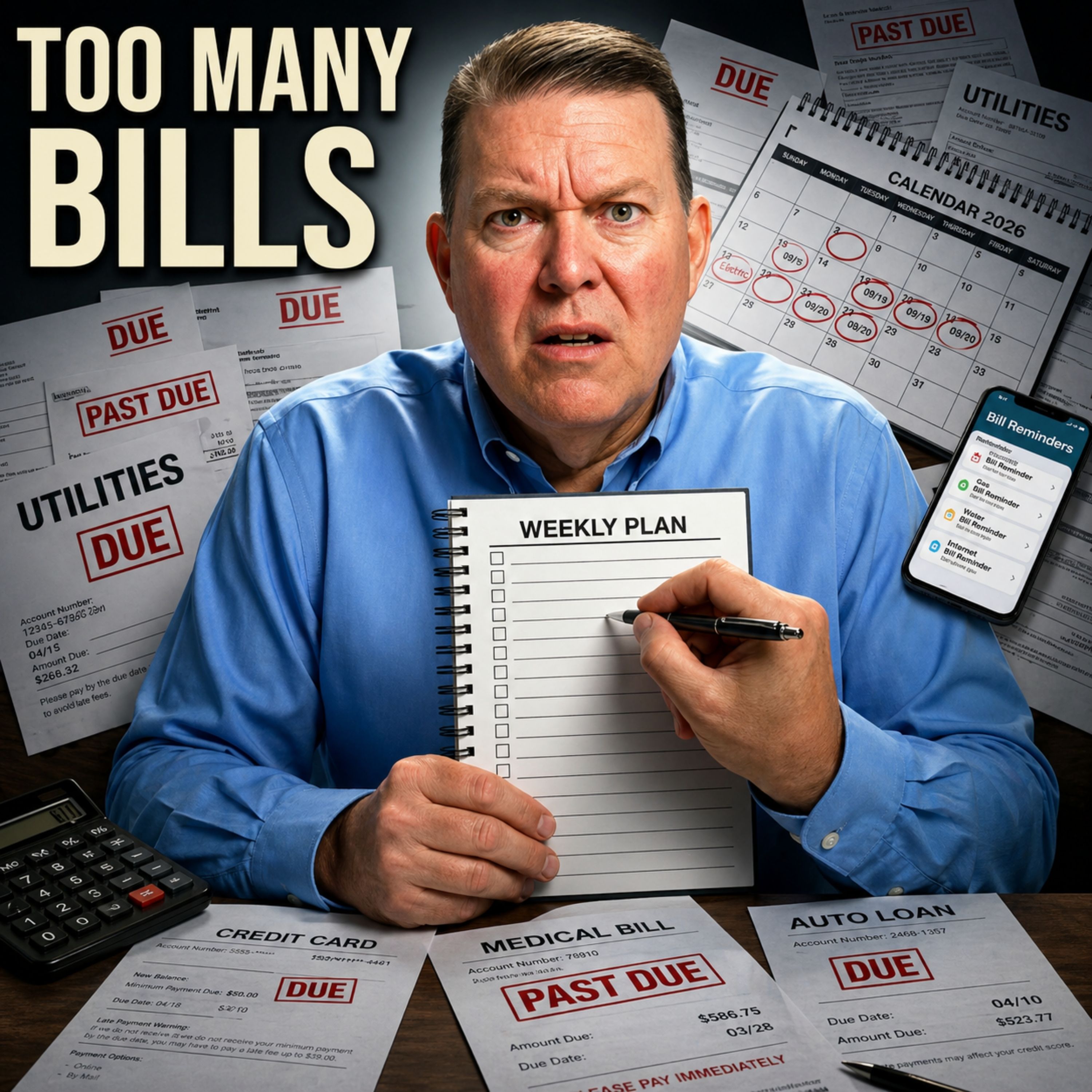
Have you ever felt like your bills are playing whack-a-mole with your sanity? One bill pops up out of nowhere, then another one, all at different times and amounts, leaving you feeling like you're in a never-ending game of catch-up. I've been there, and I know that sense of scrambling, of always reacting, of bracing for the next surprise. The Simplest System to Keep Your Bills from Catching You Off Guard
But let me tell you, you don't need more discipline. Nope, what you really need is a better system—a simpler one that lets you take control. That's what we're diving into today. I'm Ralph Estep Jr., and welcome to Financially Confident Christian, where we aim to break the cycle of financial shame and help you live with confidence.
Listener Question
Recently, I got a question from a listener who was feeling flustered by constantly changing bill due dates. They felt like they were never ahead, never steady. If you're nodding along, I bet you'll find the simplest ways to map your bills enlightening. You don't want your financial life to be a horror story where bills jump out at you.
My big idea is to stop tracking fixed due dates and start focusing on a weekly bills rhythm. So, how can you do that?
Getting Started: Your Master List
Start by creating a master list of your bills. And don’t worry, this isn’t a behemoth task—spend just 10 minutes on it. You don't need apps or elaborate spreadsheets. Just jot down the essentials: the name of the bill, the typical amount, and what I call a "due window"—is it early-, mid-, or late-month? Also, note whether it's an auto-draft. Clarity matters more than perfection here.
Introducing Money Days
Once you’ve got that sorted, choose two money days each month to handle all your financial business. For example, make the 1st and 15th your checkpoints. Handle all your payments, then set aside some for upcoming bills, and check for any changes. That way, even if due dates shift around, your rhythm does not. Turning chaos into a rhythm is what we’re after.
Use a Separate Bills Account
Next up, keep your bills and money separate. Combining it with your spending money is a surefire path to always feeling behind. Create a dedicated Bills account and transfer what you need into it every payday. This way, you don’t accidentally put your rent money towards groceries. This step alone brings a breath of fresh air and focuses your anxiety back on productivity.
Pay by Pay Period
Pay by your pay period, not by due date. If you’re paid twice a month, tackle your early-month bills with your first paycheck and your late-month bills with the second. This way, your paycheck becomes your financial calendar. It simplifies everything, trust me.
Build a Small Buffer
Finally, create a small buffer. Start with just $100. This buffer is for those unexpected, slightly higher utility bills or any sneaky fees that reach out to surprise you. This doesn’t solve everything, but it stops the need to scramble and panic instantly.
The Peace of Order
Ultimately, order brings peace. By creating a master list and selecting money days, you shift from reaction to routine and find that peace where chaos used to live.
In First Corinthians 14:40, it reads, "But everything should be done in a fitting and orderly way." God honors order, and a simple bill system brings that peace we all seek.
Let's pray: Lord, see my friend here who is exhausted from reacting to financial surprises. Grant them clarity and discipline to cultivate a peaceful, steady financial rhythm. Replace their scramble with steadiness and fear with confidence. Amen.
Remember, you don’t need a perfect system. You only need a rhythm you can keep up with. If you have questions, I'm always here to help. You can find more information and submit questions at financially confidentchristian.com/question. Thank you for joining me today. Stay financially savvy, and may God bless you on this journey. Have an outstanding day!

Christian Financial Consulting
Ralph V. Estep, Jr. is a Delaware-based licensed accountant, author, rancher, and media host with more than 30 years of experience in finance, taxation, and small-business leadership. As the founder of Saggio Accounting+PLUS and the creator of the Ask Ralph Media network, Ralph helps entrepreneurs, creators, and everyday families replace money confusion with clarity, confidence, and practical next steps—without shame and without hype.
Ralph’s work blends deep professional expertise with a coach’s mindset and a communicator’s heart. He has held leadership roles across public accounting, financial institutions, law firms, and technology organizations, bringing a rare combination of traditional accounting rigor and modern systems thinking to the people he serves. A graduate of the University of Delaware and Wilmington University (MBA), Ralph is known for turning complex money topics into simple, repeatable frameworks that help people make wiser decisions and build lasting financial stability.
Through Ask Ralph Media, Ralph hosts multiple shows designed to meet people where they are and guide them forward. He is the host of Financially Confident Christian, a daily, faith-based show offering warm, pastoral encouragement for listeners who want peace and practical wisdom with their finances.
He also hosts Truth Unveiled with Ralph, a weekly program that contrasts cultural pressure with biblical truth and invites listeners into deeper spiritual and practical alignment. For small business owners, Ralph leads Grit and Growth Business, spotlighting real sto… Read More

At the Kitchen Table at Midnight: One Listener's Race to Protect Her Family Before Disability Hits