How to Break Free From Financial Shame: The Faithful Money Framework
How to Break Free From Financial Shame: The Faithful Money Framework
I've spent years listening to Christians talk about money in whispers. The shame runs deep—debt they can't shake, a salary change that blindsided them, retirement savings they lost track of, the weight of decisions they made when they didn't know better. Nobody wants to admit they're struggling. So they stay quiet.
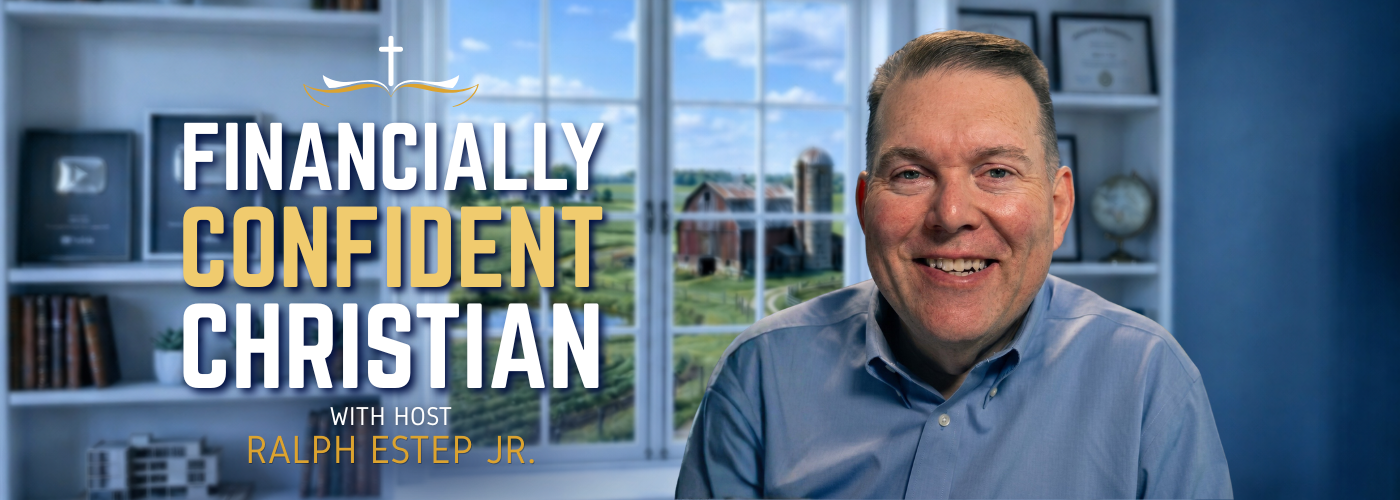
That's why I started Financially Confident Christian Live.
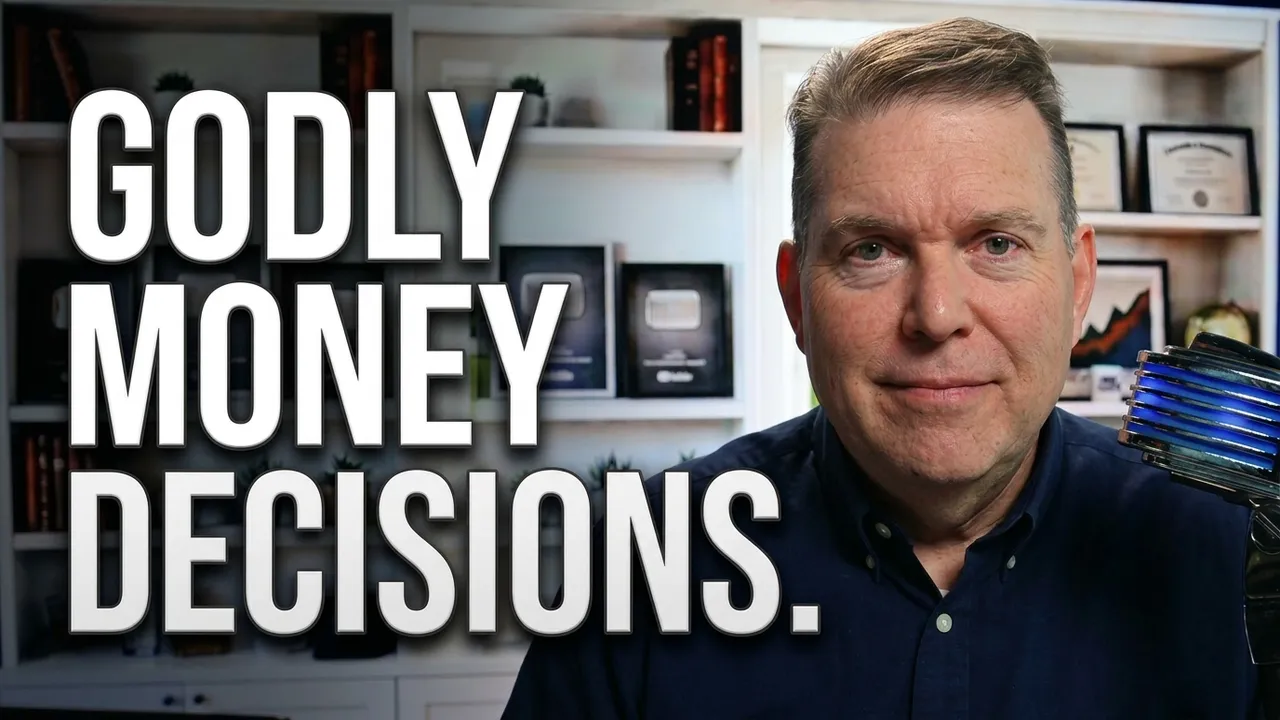
What This Show Is About
Every Friday at 1 p.m., we have real conversations about real money problems. No judgment. No lectures about being "better stewards." Just honest talk about what it actually feels like to dig out of financial holes, rebuild credit, or start saving from zero.
The emails come in constantly. "I found retirement funds I didn't know existed, and I'm terrified of messing them up." "My salary dropped 40% when I changed jobs. How do I recalibrate?" "I've been avoiding looking at my debt for two years." These aren't failures. These are people ready to change.
The Faithful Money Framework: 8 Steps to Financial Confidence
I developed the Faithful Money Framework because generic budgeting advice doesn't touch the real problem. Most people know what to do. The gap is between knowing and doing, between fear and action.
1. Face Reality
You can't move forward if you're avoiding your actual situation. That means looking at the balance, the statements, the numbers. It's uncomfortable. It's also the only way out.
2. Aim to See Clearly
Once you know where you are, ask yourself what "good" actually looks like for you. Not what Instagram influencers say. Not what your parents modeled. What do you actually want? More margin? Less anxiety? The ability to help your kids with college? Be specific.
3. Identify Timing
A realistic goal is one you can reach. If you want to save $10,000 in three months on a $40,000 salary, that's fantasy. If you want to save it in two years, that's a plan. Timing also means recognizing that some seasons are for building and some are for surviving. Right now might not be the time to aggressively pay down debt if your family needs food.
4. Explore Options
Most people have more options than they think. You can negotiate your salary, switch to a lower-cost insurance plan, find cheaper childcare, ask for a different loan term. The "we've always done it this way" mentality keeps people trapped. What if you tried something different?
5. Build a Plan
A plan is just a list of actions, in order, with dates. "Pay off credit card" is not a plan. "Call Amex on Tuesday and ask about a hardship rate, then set up automatic payments of $500 on the 1st of each month" is a plan. Specificity matters.
6. Incorporate Faith
Faith isn't magic that replaces math. But it matters. When you're burned out from financial stress, faith grounds you. It reminds you that your net worth is not your worth. It pushes back against the shame. It also tends to calm the panic that makes people make bad decisions.
7. Recognize Progress
You will not go from broke to wealthy overnight. Celebrate the small wins. First credit card paid off. First month of sticking to a budget. The first time, you didn't panic when unexpected expenses showed up. These are real victories.
8. Always Look Ahead
Financial life is not a destination. Once you hit one goal, there's another. That's not discouraging if you remember that each step is easier than the last.
Real Money Questions We Answer On the Show
Listeners bring real problems every week:
-
"I have $15,000 in an old 401k I forgot about. Is it too late to do something with it?"
-
"My income just dropped by $20,000 a year. Where do I even start?"
-
"How do I talk to my spouse about money without it turning into a fight?"
-
"I'm 52. Is it too late to save for retirement?"
The answers vary, but the pattern is always the same. First, we look at the actual situation without judgment. Then we identify what's in your control. Then we build a realistic next step. That's it.
Why This Works: Faith + Math + Community
Financial shame thrives in silence. The moment you start talking about it—really talking about it—the power drains out. You realize you're not alone. You also realize the math is not as scary as you thought.
The Faithful Money Framework combines three things:
-
Real numbers. Your actual situation, not a fantasy version of it.
-
Spiritual grounding. Faith that gives you permission to try again.
-
Small, doable steps. Not "change your whole life," just "do this one thing Tuesday."
How to Get Started
You don't have to do this alone. Whether you're five years into financial recovery or day one, there's a next step.
Send your question: Email ralph@askralph.com with your money question. Include your situation (income, major debts, what's keeping you up at night). I answer the ones that fit the framework on the show.
Join the show live: Financially Confident Christian Live airs every Friday at 1 p.m. You can listen on Clubhouse or watch live on YouTube.
Get the free guide: Join the private community at financiallyconfidentchristian.com/join for the full Faithful Money Framework guide and resources from past episodes.
You're Not Too Far Gone
Managing money is not complicated. The math is simple. The hard part is the emotional work—facing the shame, making different choices, trusting that it gets better. That's where faith comes in. Not as a guarantee that everything will work out, but as a reason to believe it's worth trying.
Your salary is not too low. Your age is not too old. Your mistakes are not too big. You don't have to have it all figured out.
The next right step is always available. That's where we start.
See you on Friday.
—Ralph Estep Jr.
Christian Financial Consulting
Ralph V. Estep, Jr. is a Delaware-based licensed accountant, author, rancher, and media host with more than 30 years of experience in finance, taxation, and small-business leadership. As the founder of Saggio Accounting+PLUS and the creator of the Ask Ralph Media network, Ralph helps entrepreneurs, creators, and everyday families replace money confusion with clarity, confidence, and practical next steps—without shame and without hype.
Ralph’s work blends deep professional expertise with a coach’s mindset and a communicator’s heart. He has held leadership roles across public accounting, financial institutions, law firms, and technology organizations, bringing a rare combination of traditional accounting rigor and modern systems thinking to the people he serves. A graduate of the University of Delaware and Wilmington University (MBA), Ralph is known for turning complex money topics into simple, repeatable frameworks that help people make wiser decisions and build lasting financial stability.
Through Ask Ralph Media, Ralph hosts multiple shows designed to meet people where they are and guide them forward. He is the host of Financially Confident Christian, a daily, faith-based show offering warm, pastoral encouragement for listeners who want peace and practical wisdom with their finances.
He also hosts Truth Unveiled with Ralph, a weekly program that contrasts cultural pressure with biblical truth and invites listeners into deeper spiritual and practical alignment. For small business owners, Ralph leads Grit and Growth Business, spotlighting real sto… Read More
5 Things I Tell Anyone Drowning in Medical Debt They Never Asked For