How to Get Out of Survival Mode and Actually Stay Out

Getting Out of Survival Mode and Actually Staying Out When you're in survival mode financially, every day feels like you're running on fumes. A teacher laid off mid-career, picking up tutoring gigs that barely cover gas money. Your partner covering the rent. You're back in grad school, wondering if any of this will matter. You're in survival mode—and you know exactly what I mean if you've been there. How to Get Out of Survival Mode and Actually Stay Out. Today I want to talk about how one listener broke free from it, and more importantly, what she did right that you can apply to your own situation right now.
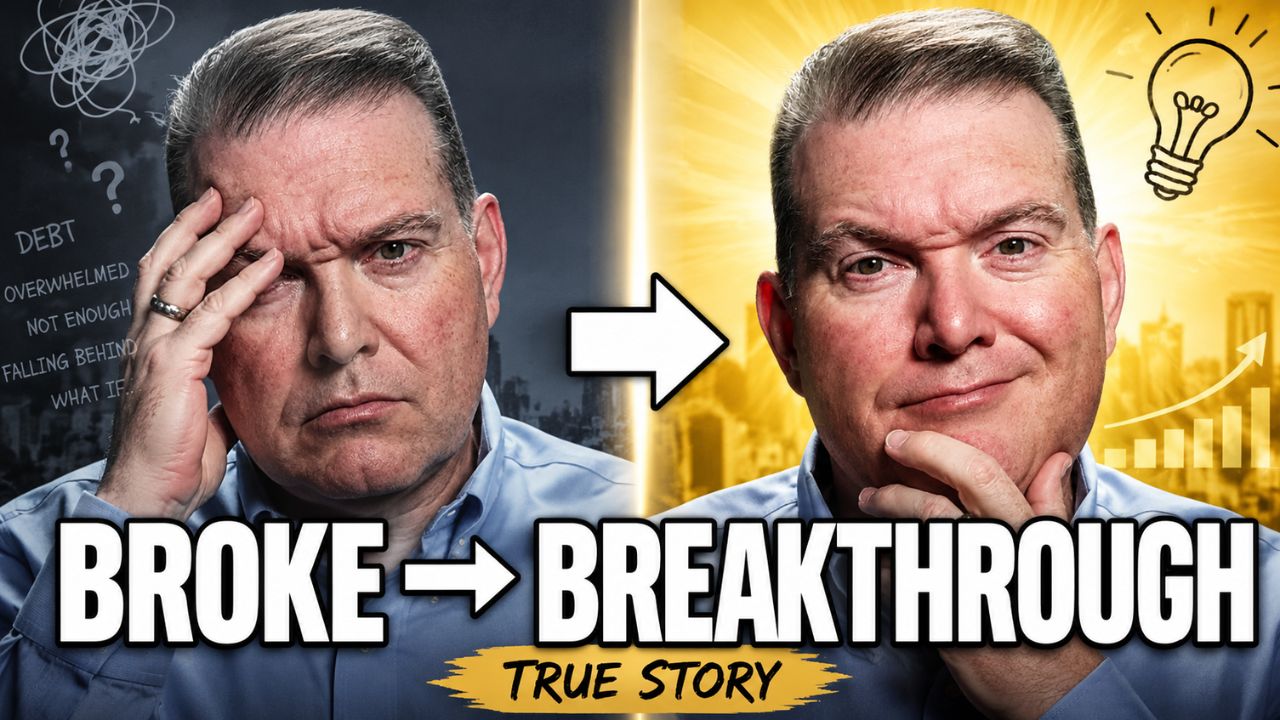
First Reflection: She Solved the Real Problem, Not Just the Income Problem
Here's what surprised me about this listener's journey. She'd been teaching for five years—decent income on paper. Income wasn't her real problem. Childcare costs were eating everything she made.
This is the math that nobody talks about. When childcare is nearly equal to your salary, you're literally paying someone else to work. I've sat across the desk from couples for years where this exact math doesn't work. The wife goes back to work, they feel good about it, and then we run the numbers. Once you subtract childcare, taxes, gas, and that one outfit you needed for the office—there's nothing left.
She and her partner made a different choice. They moved in together and restructured their situation. That decision wasn't casual. It was strategic. Then when the layoff came, she didn't just look for any teaching job. She looked for the one that solved the real equation: a position at her daughter's school.
The result? No childcare cost. Salary triple what she made tutoring. The math finally worked.
Second Reflection: She Named Survival Mode and Didn't Shame Herself for It
I hear people downplay survival mode all the time. They try to make it sound fine, like they're managing great. This listener didn't do that. She said it straight: tutoring for less than $1,000 a month, partner covering the bills, using credit cards just to get through the month.
That's real. That's survival mode. And she didn't run from it or hide from it. She named it.
Here's what's powerful about that: when you admit you're in survival mode, you can actually plan your way out of it. You stop pretending and start moving. She got behind on debts—yeah, that happened. She put things on credit cards—that too. She didn't shame herself for the tools she used to survive. Now she's not in shame, she's in a plan. The car's almost paid off. Debts will come next. It's not glamorous. It's not fast. It's a direction.
Third Reflection: The Breakthrough Didn't Come Overnight—But It Came
You know what gets overlooked in these stories? The time. Three years between when she moved in with her partner and when this job opened up. Years of tutoring part-time. Grad school at night. No immediate win, no quick fix.
Her breakthrough wasn't luck. It was the compound result of small decisions made over time. Moving in together. Staying in grad school even when it hurt. Looking for the right position instead of just the first opening. Then one day, an opportunity showed up that fit. Not because God magically intervened at the last second, though I believe He was there. It fit because she'd been positioning herself toward that outcome the whole time.
If you're in survival mode right now, you might not see the finish line. You might be months or years away from where you want to be. That's okay. The finish line might be closer than you think, and more importantly, you're already moving toward it even if you can't see it yet.
What to Do Today if You're Still Struggling
If you're listening right now and survival mode is your reality, I want you to do one thing today. Write down one decision you made last month that moved you forward. One boundary you set. One honest conversation. One small step that wasn't nothing.
That's it. Just one.
The reason I say this is because people in survival mode often can't see their own progress. You're too close to the grind. You can't step back and see the trajectory. So pick one thing from the last month that was actually right. An application you sent. A conversation you had. A course you started. Something.
That's how you build. Not by seeing the whole path. Just by seeing the next step. Then the step after that.

Christian Financial Consulting
Ralph V. Estep, Jr. is a Delaware-based licensed accountant, author, rancher, and media host with more than 30 years of experience in finance, taxation, and small-business leadership. As the founder of Saggio Accounting+PLUS and the creator of the Ask Ralph Media network, Ralph helps entrepreneurs, creators, and everyday families replace money confusion with clarity, confidence, and practical next steps—without shame and without hype.
Ralph’s work blends deep professional expertise with a coach’s mindset and a communicator’s heart. He has held leadership roles across public accounting, financial institutions, law firms, and technology organizations, bringing a rare combination of traditional accounting rigor and modern systems thinking to the people he serves. A graduate of the University of Delaware and Wilmington University (MBA), Ralph is known for turning complex money topics into simple, repeatable frameworks that help people make wiser decisions and build lasting financial stability.
Through Ask Ralph Media, Ralph hosts multiple shows designed to meet people where they are and guide them forward. He is the host of Financially Confident Christian, a daily, faith-based show offering warm, pastoral encouragement for listeners who want peace and practical wisdom with their finances.
He also hosts Truth Unveiled with Ralph, a weekly program that contrasts cultural pressure with biblical truth and invites listeners into deeper spiritual and practical alignment. For small business owners, Ralph leads Grit and Growth Business, spotlighting real sto… Read More
Adult Child Moved Back Home? Here's How to Tell Helping From Enabling