You Beat the Spending Addiction. Why Does Buying Anything Still Feel Like Relapsing?
You Beat the Spending Addiction. Why Does Buying Anything Still Feel Like Relapsing?
Quick answer: Guilt and wisdom are not the same thing, even though they feel identical in the moment. Wisdom asks a question: can I actually afford this? Guilt skips the question and goes straight to shame. If your bills are paid, you have an emergency fund, and you can afford something you genuinely want, buying it isn't relapsing. It's healing.
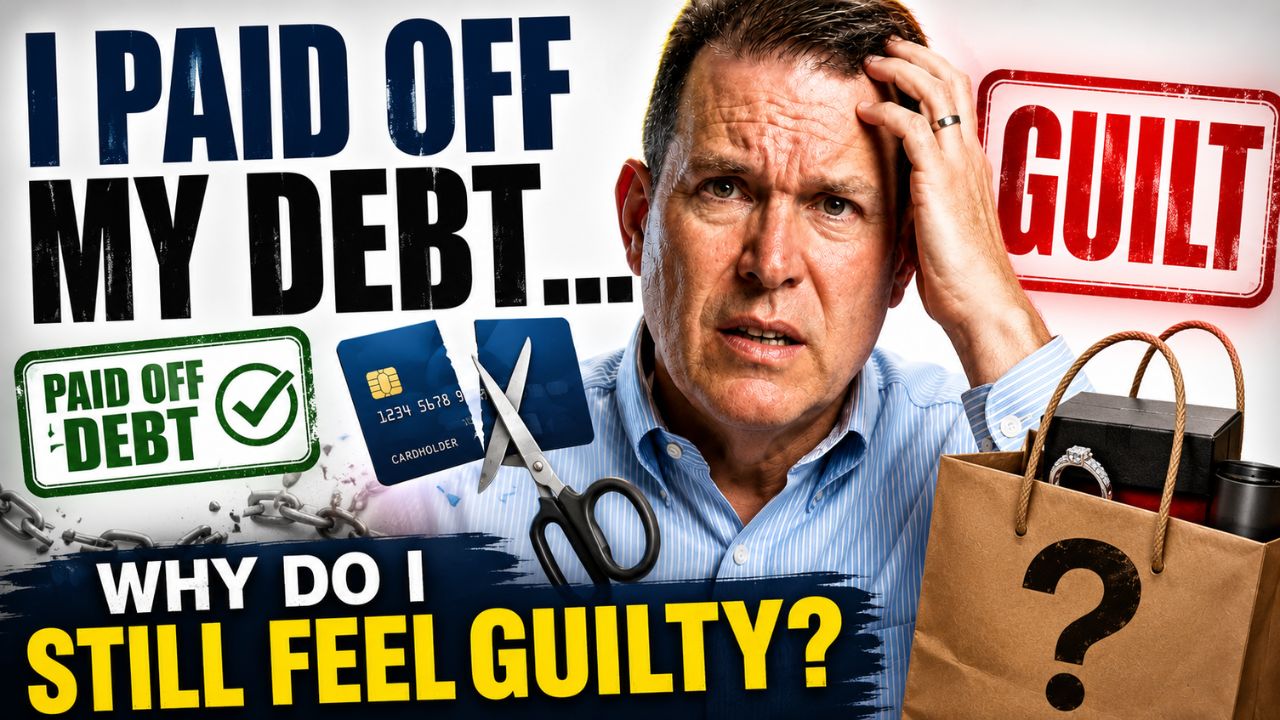
A listener beat a real spending addiction. Paid off the debt. Did the hard work.
Then found a $150 set of rings she's been hunting for years.
And froze.
That's today's episode of Financially Confident Christian, and it's for anyone who's ever felt like buying groceries was somehow a moral failure.
The letter
She used to have a serious spending addiction. It left her with real debt, which she's since paid off almost entirely. She's proud of that, and she should be.
But now she's stuck in a different trap. She collects things, one category in particular running expensive, and she recently found a set of rings she's wanted for years. $150. To most people, not a big deal.
To her, every purchase comes with guilt. There's always a bill that feels more important. She never quite feels financially ready, somehow always makes it work anyway, and her brain panics even when buying things she actually needs.
Her question: when does she finally get to enjoy her hobby without feeling like she's failing?
Two different recoveries, not one
Here's the part most people miss. There are two separate things happening, and treating them as one keeps the cycle going.
Recovery #1: Beating the actual spending addiction. Real. Already done. That matters.
Recovery #2: Healing from the shame the addiction left behind. Still in progress.
The guilt showing up now isn't wisdom. It's an echo of the addiction, still running in the background long after the addiction itself is gone.
Guilt vs. wisdom: how to actually tell them apart
This is the single most useful distinction in the whole episode.
Guilt says: Never spend again. Every dollar is a betrayal. You're always one purchase from relapsing.
Wisdom asks: Are my bills paid? Do I have an emergency fund? Can I actually afford this?
Guilt shames. Wisdom questions. One traps. The other protects.
What feels like responsibility might actually be guilt wearing a disguise.
Three questions that replace guilt with real guardrails
Before buying anything in the collection, three questions, no shame attached:
-
Can I afford this?
-
Have my bills been paid?
-
Do I have an emergency fund in place?
If a person has spent years hunting for something specific, they've already thought it through. The real question was never about guilt. It was always about financial stability, and that question already has an honest answer sitting right there.
Rules without shame are guardrails. Shame without rules is just punishment.
That guilt isn't really about a $150 ring. It's about a kid who never got what they wanted, who learned somewhere along the way that wanting things was bad and needing things was weak.
Punishing the adult version of that kid every time they want something doesn't protect anyone. It just keeps a wound open that already started healing.
Wanting things is human. Having things is allowed. Enjoying things, without the shame attached, is exactly what healing looks like.
Conviction is healthy. Condemnation is a lie.
There's a real difference between these two, and it matters more than it sounds like it should.
Conviction says: That specific spending pattern hurt you. Fix it.
Condemnation says: You are bad with money. You'll always be bad with money. You don't deserve good things.
Years of living inside condemnation can start to feel like wisdom. It isn't.
What Romans 8:1 actually says
"Therefore, there is now no condemnation for those who are in Christ Jesus."
Condemnation never came from God. It came from the shame an addiction left behind, long after the addiction itself was already defeated.
Freedom from guilt doesn't mean freedom to be reckless. It means being able to make a wise decision without a voice in the background insisting it's a failure.
Today's win
Write down three things worth buying. For each one, ask exactly one question: is this financially sustainable?
Not "do I deserve this." Not "am I relapsing." Just: can I actually afford it?
If yes, permission granted. If guilt shows up anyway, notice it, and don't obey it. Guilt lies. Wisdom doesn't.
Stay financially savvy. God bless you.
FAQ
How do I know if I'm relapsing into a spending addiction versus just enjoying a hobby? Relapse usually involves spending beyond what bills and savings can support, often impulsively and without a plan. Enjoying a hobby responsibly means checking affordability first and spending within an already stable financial picture.
Why do I feel guilty buying things even when I can afford them? That guilt often isn't about the specific purchase. It's frequently leftover shame from a past financial struggle, still triggering a panic response even after the underlying problem has been resolved.
What's the difference between financial guilt and financial wisdom? Guilt shames a person regardless of the actual facts. Wisdom asks direct questions, like whether bills are paid and an emergency fund exists, and uses the answer to make a clear decision.
Is it okay to spend money on a hobby after paying off debt? Yes, as long as bills are current and an emergency fund is in place. Enjoying money responsibly after debt payoff isn't relapsing. It's part of a complete financial recovery.

Christian Financial Consulting
Ralph V. Estep, Jr. is a Delaware-based licensed accountant, author, rancher, and media host with more than 30 years of experience in finance, taxation, and small-business leadership. As the founder of Saggio Accounting+PLUS and the creator of the Ask Ralph Media network, Ralph helps entrepreneurs, creators, and everyday families replace money confusion with clarity, confidence, and practical next steps—without shame and without hype.
Ralph’s work blends deep professional expertise with a coach’s mindset and a communicator’s heart. He has held leadership roles across public accounting, financial institutions, law firms, and technology organizations, bringing a rare combination of traditional accounting rigor and modern systems thinking to the people he serves. A graduate of the University of Delaware and Wilmington University (MBA), Ralph is known for turning complex money topics into simple, repeatable frameworks that help people make wiser decisions and build lasting financial stability.
Through Ask Ralph Media, Ralph hosts multiple shows designed to meet people where they are and guide them forward. He is the host of Financially Confident Christian, a daily, faith-based show offering warm, pastoral encouragement for listeners who want peace and practical wisdom with their finances.
He also hosts Truth Unveiled with Ralph, a weekly program that contrasts cultural pressure with biblical truth and invites listeners into deeper spiritual and practical alignment. For small business owners, Ralph leads Grit and Growth Business, spotlighting real sto… Read More

Can Money Actually Buy You Out of Misery? Here's What It Can't Touch