
When Should You Claim Social Security? 3 Money Moves That Actually Protect You

On this week's FCC Live, listeners asked us about three things that really matter for your money: When Should You Claim Social Security? 3 Money Moves That Actually Protect You. Should you claim at 62, 67, or 70? That's one of the biggest retirement decisions you'll make, and the answer is different for almost everyone. We also got questions about two emergencies that catch people off guard—debt collectors calling about disputes you never authorized and identity theft that doesn't show up on your credit report yet. Here's what I'm pulling from those conversations.
Social Security: 62, 67, or 70?
The standard wisdom says claim at 67. But Ralph points out something most people miss: the math changes completely depending on your situation.
Claim at 62, and your benefits are permanently reduced. Wait until 70, and you get roughly 8% more per year. That's significant if you live into your 80s.
The real question isn't what the average person does. It's what works for your life.
Consider three things:
Do you have a steady income right now? If yes, waiting gets you more.
How's your health? If you have a family history of early death, claiming earlier makes sense.
Are you married? If your spouse hasn't claimed yet, the higher earner waiting until 70 locks in a bigger survivor benefit. That matters.
Ralph also mentioned something people often overlook: spousal and divorced benefits have their own claiming ages. If you're remarried or were married 10+ years, you might have options most calculators miss.
Stopping Debt Collectors (The Right Way)
A listener got slammed with calls over a medical bill she swears she never authorized. Here's what Ralph told her, and you should know this too.
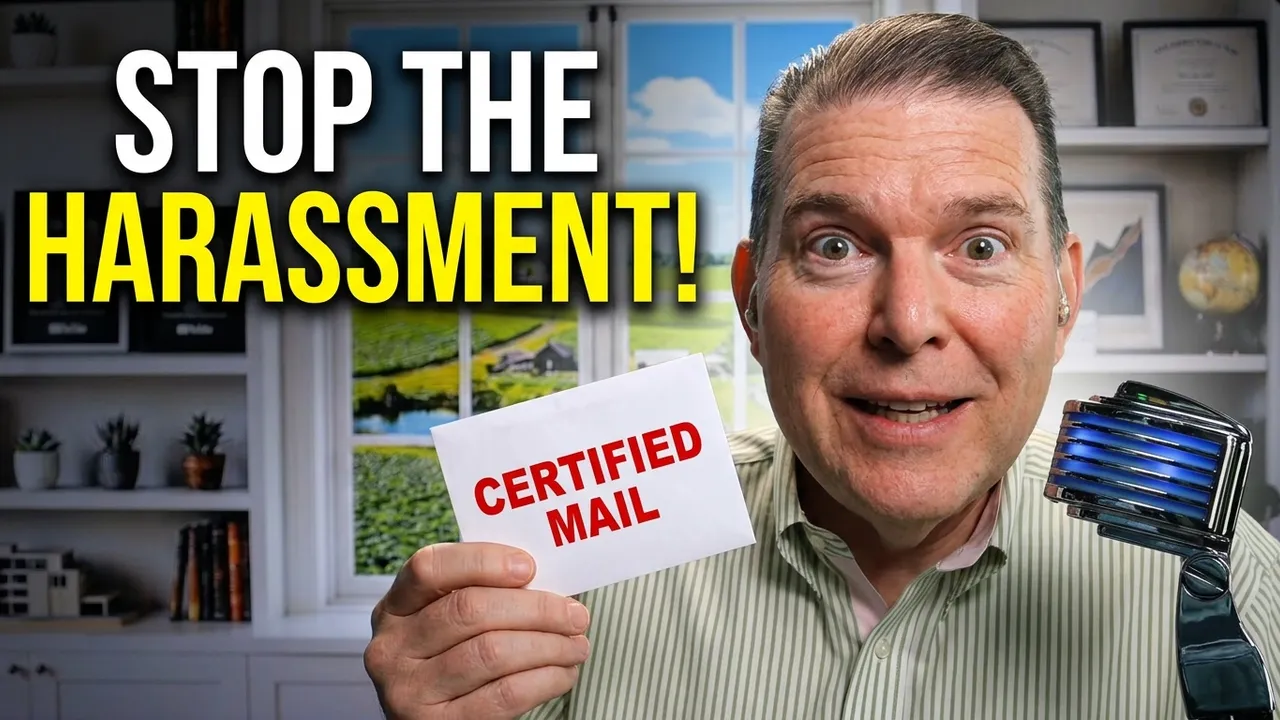
Send a certified letter demanding written verification of the debt. Not an email. Not a phone call. Certified mail with a return receipt.
Once you send that letter, collection activities must stop until they verify it. That's federal law (Fair Debt Collection Practices Act).
A few more rights collectors hate when you know them:
They can't call you at work if you tell them your employer doesn't allow it
No threats, no harassment, no calling before 8 am or after 9 pm
If you send a written "cease communication" request, they have to stop (though they might sue instead)
The reason this matters: debt levels are climbing. Delinquency rates are higher than they were pre-pandemic. Collection calls are more frequent. But most people give in because they don't know they have leverage.
Document every call. Write down the date, time, caller's name, and what was said. This becomes evidence if you need to sue them for violations.
Identity Theft You Won't See Coming
Here's the creepy one: a listener got a hospital bill for a procedure she never had. She checked her credit report. Nothing. No fraudulent accounts, no inquiries.
Identity theft doesn't always show up on your credit first. Sometimes it shows up as a medical bill, a utility account, or a traffic ticket.
Watch for these red flags:
Bills arriving for things you don't recognize
No statements are arriving when they normally would (someone may have redirected mail)
Unexpected bills from tax agencies or state departments
Credit card companies calling about accounts you don't have
If you find identity theft:
Dispute it in writing with the provider (don't rely on phone calls)
File a police report and get the report number
Place a credit freeze with all three bureaus (Equifax, Experian, TransUnion)
Get an IRS IP PIN if they haven't stolen your identity for taxes yet
Monitor credit reports for the next 2-3 years
The freeze is the move most people skip. It stops new accounts from being opened. Yes, it's inconvenient when you apply for credit, but you control when to unfreeze it.
What to Do This Week
Pick one:
Run your Social Security claiming age through an online calculator. See what waiting 5 more years actually means for you.
If you've been ignoring collection calls, send that certified letter this week.
Pull your credit reports at annualcreditreport.com (the free government site). Look for accounts you don't recognize.
One of those three moves matters for your money right now. Start there.

Christian Financial Consulting
Ralph V. Estep, Jr. is a Delaware-based licensed accountant, author, rancher, and media host with more than 30 years of experience in finance, taxation, and small-business leadership. As the founder of Saggio Accounting+PLUS and the creator of the Ask Ralph Media network, Ralph helps entrepreneurs, creators, and everyday families replace money confusion with clarity, confidence, and practical next steps—without shame and without hype.
Ralph’s work blends deep professional expertise with a coach’s mindset and a communicator’s heart. He has held leadership roles across public accounting, financial institutions, law firms, and technology organizations, bringing a rare combination of traditional accounting rigor and modern systems thinking to the people he serves. A graduate of the University of Delaware and Wilmington University (MBA), Ralph is known for turning complex money topics into simple, repeatable frameworks that help people make wiser decisions and build lasting financial stability.
Through Ask Ralph Media, Ralph hosts multiple shows designed to meet people where they are and guide them forward. He is the host of Financially Confident Christian, a daily, faith-based show offering warm, pastoral encouragement for listeners who want peace and practical wisdom with their finances.
He also hosts Truth Unveiled with Ralph, a weekly program that contrasts cultural pressure with biblical truth and invites listeners into deeper spiritual and practical alignment. For small business owners, Ralph leads Grit and Growth Business, spotlighting real sto…Read More

Hard Work Doesn't Guarantee Success Anymore