How to Spot a Fake Bank Text Before It Costs You Money
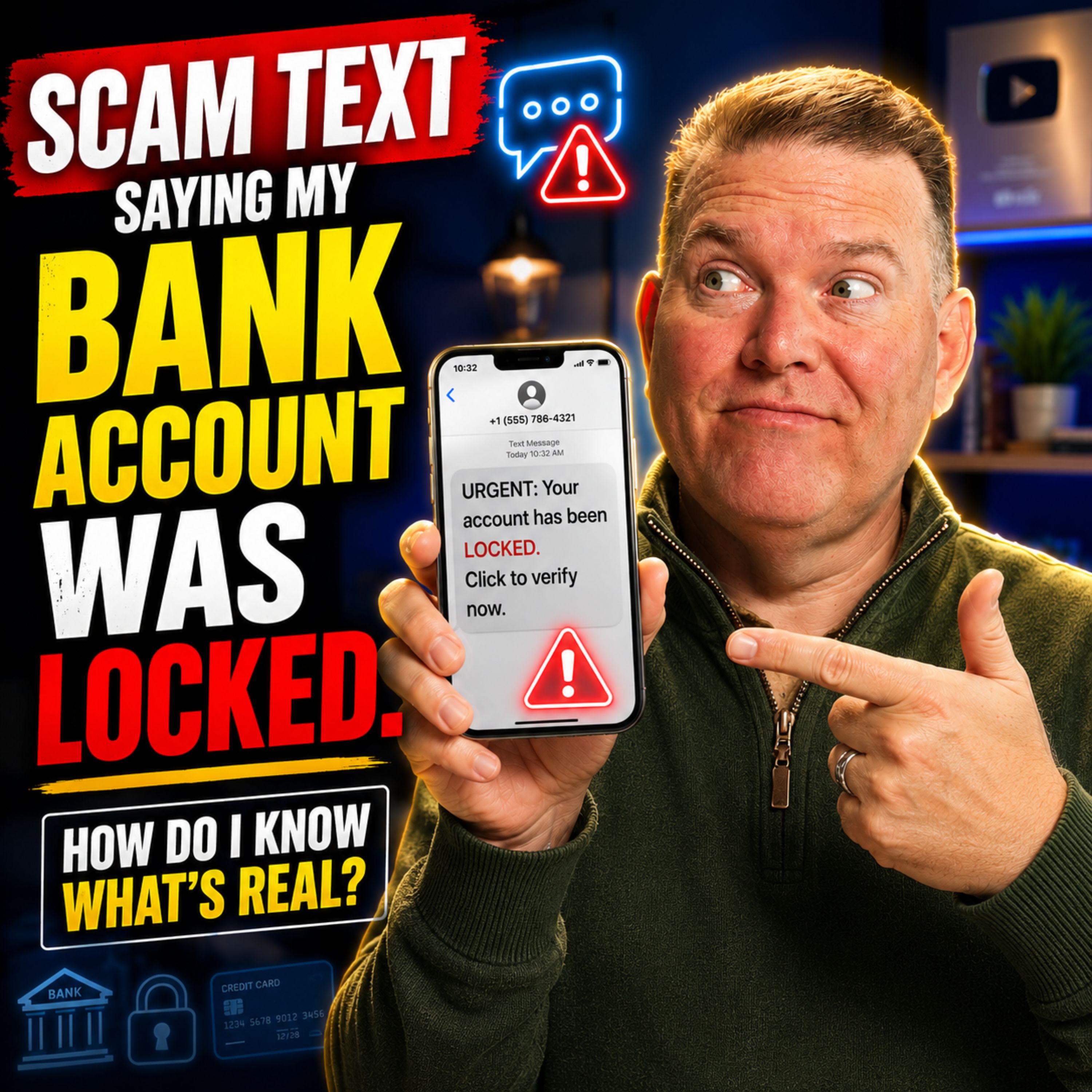
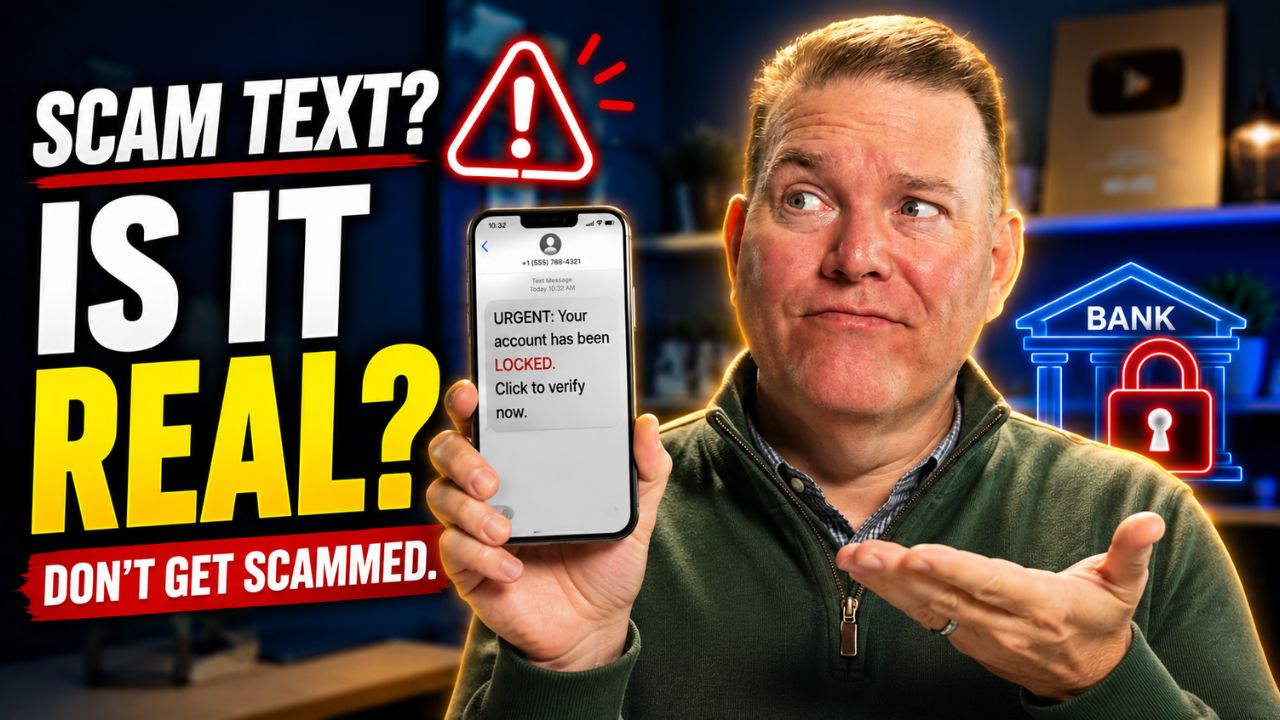
Your phone buzzes with an urgent message: "Your bank account has been locked. Click here immediately." Your heart starts racing. Is it real, or is someone trying to steal your money? How to Spot a Fake Bank Text Before It Costs You Money
Financial scams get more convincing every year, and the best protection isn't fear. It's knowing exactly what to look for. A listener recently wrote in after almost falling for one of these texts herself, and her question is one worth answering for anyone with a phone and a bank account.
The Listener's Story
She received a text saying her debit card had been frozen due to suspicious activity, with a link that looked like it came straight from her bank. Instead of clicking, she opened her banking app directly and found everything was fine. She later confirmed it was a scam. The message had looked convincing enough to scare her, and now she wants to know how to stay protected without living on edge every time her phone buzzes.
Step 1: Pause Before You Click
Scammers rely on urgency. The more panicked you feel, the less likely you are to think clearly, and that's exactly what they're counting on. Real banks expect you to verify information carefully. They don't need you to click in the next thirty seconds.
Urgency is often the first warning sign.
Step 2: Go Directly to the Source
Never trust the link inside a text or email, no matter how official it looks. Instead:
-
Open your bank's official app
-
Type the website address yourself
-
Call the number printed on the back of your debit or credit card
Never let a stranger choose the door you walk through. Verify everything through a channel you control, not one the message hands you.
Step 3: Learn the Common Red Flags
A few warning signs show up again and again in these scams:
-
Poor grammar or spelling
-
Requests for passwords or verification codes
-
Threats that your account will be closed immediately
-
Requests to pay by gift card or cryptocurrency
-
Pressure to keep the conversation secret
Legitimate businesses operate in the open. Scammers thrive on secrecy.
Step 4: Protect Your Accounts Before Problems Happen
Prevention beats recovery every time. A few habits go a long way:
-
Enable two-factor authentication
-
Use strong, unique passwords
-
Monitor your accounts regularly
-
Turn on transaction alerts
-
Save your bank's official phone number in your contacts
A locked door is easier than replacing what was stolen.
Step 5: Share What You Learn
If you've encountered one of these scams, tell someone. Tell your parents, tell your kids, tell your friends. Plenty of people stay quiet out of embarrassment, but your story can be the reason someone else doesn't fall for the same trick.
A Word on Discernment
Deception rarely starts with an obvious lie. It usually mixes in just enough truth to be believable, and financial scams work the same way. Faith doesn't promise you'll never encounter dishonest people or that the world will always be fair. It does promise that God gives discernment to those who seek His wisdom, and that slowing down to pray and think clearly often keeps us out of the traps panic would otherwise lead us into.
Sometimes the most spiritual financial decision you can make is simply refusing to rush.
Today's Win: A Quick Security Checklist
-
Turn on account alerts
-
Review and strengthen your passwords
-
Enable two-factor authentication
-
Save your bank's real phone number in your contacts
Bible Verse
"Only simpletons believe everything they're told! The prudent carefully consider their steps." — Proverbs 14:15 (NLT)
The Bottom Line
Protecting your money starts with slowing down. Verify through official channels, learn the common warning signs, strengthen your account security, and share what you've learned with the people you care about.
Have a financial question of your own? Send it in at financiallyconfidentchristian.com/question, or leave a voicemail at financiallyconfidentchristian.com/voicemail and Ralph might answer it on the show.

Christian Financial Consulting
Ralph V. Estep, Jr. is a Delaware-based licensed accountant, author, rancher, and media host with more than 30 years of experience in finance, taxation, and small-business leadership. As the founder of Saggio Accounting+PLUS and the creator of the Ask Ralph Media network, Ralph helps entrepreneurs, creators, and everyday families replace money confusion with clarity, confidence, and practical next steps—without shame and without hype.
Ralph’s work blends deep professional expertise with a coach’s mindset and a communicator’s heart. He has held leadership roles across public accounting, financial institutions, law firms, and technology organizations, bringing a rare combination of traditional accounting rigor and modern systems thinking to the people he serves. A graduate of the University of Delaware and Wilmington University (MBA), Ralph is known for turning complex money topics into simple, repeatable frameworks that help people make wiser decisions and build lasting financial stability.
Through Ask Ralph Media, Ralph hosts multiple shows designed to meet people where they are and guide them forward. He is the host of Financially Confident Christian, a daily, faith-based show offering warm, pastoral encouragement for listeners who want peace and practical wisdom with their finances.
He also hosts Truth Unveiled with Ralph, a weekly program that contrasts cultural pressure with biblical truth and invites listeners into deeper spiritual and practical alignment. For small business owners, Ralph leads Grit and Growth Business, spotlighting real sto… Read More
How Much Should You Save for Retirement? 5 Steps to Know for Sure