CD Interest Rates Are High Right Now: Is a Certificate of Deposit Right for You?

CD Interest Rates Are High Right Now: Is a Certificate of Deposit Right for You?
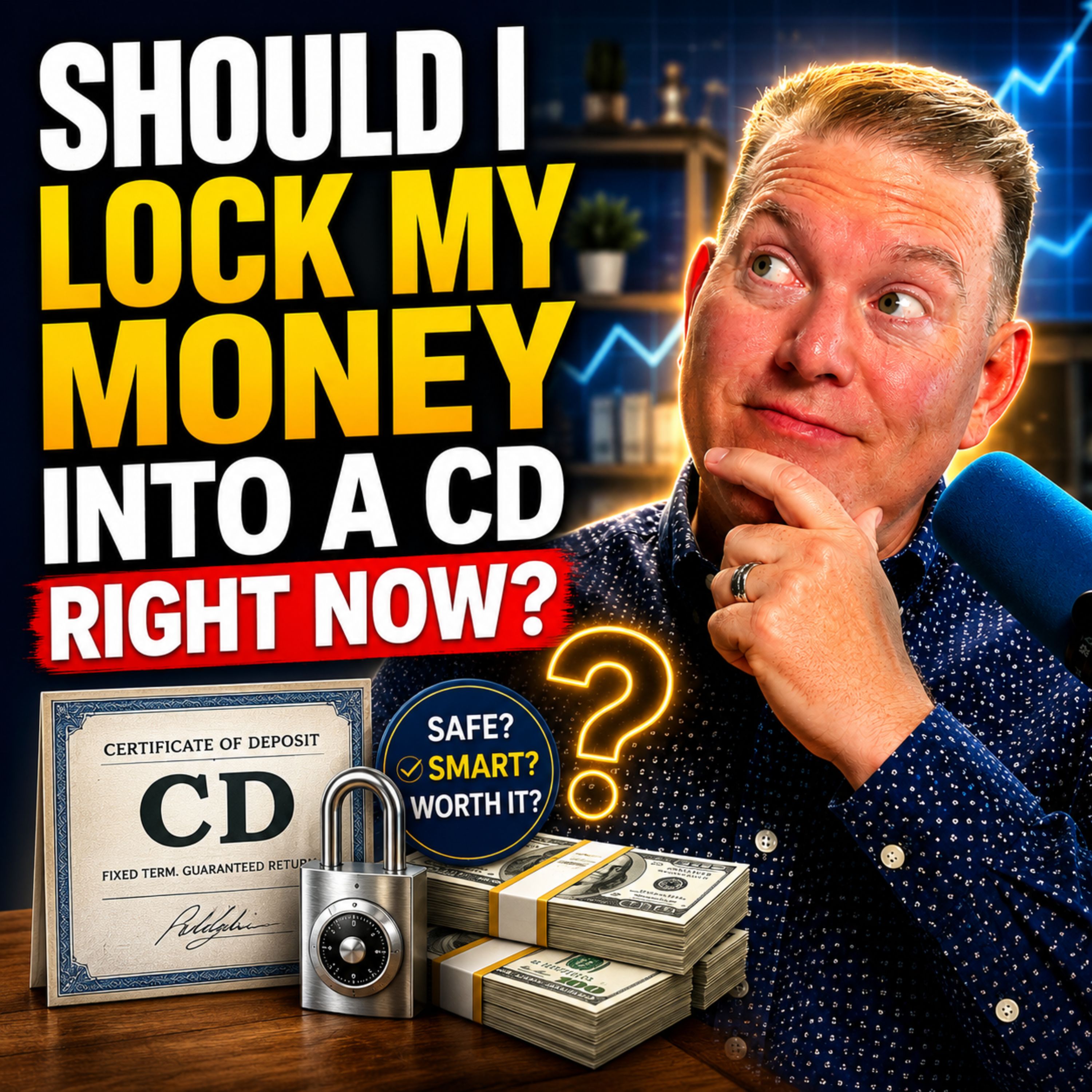
Banks are advertising certificates of deposit with some of the best interest rates in years. A guaranteed return sounds like an easy win, but is locking up your cash actually the right move for you?
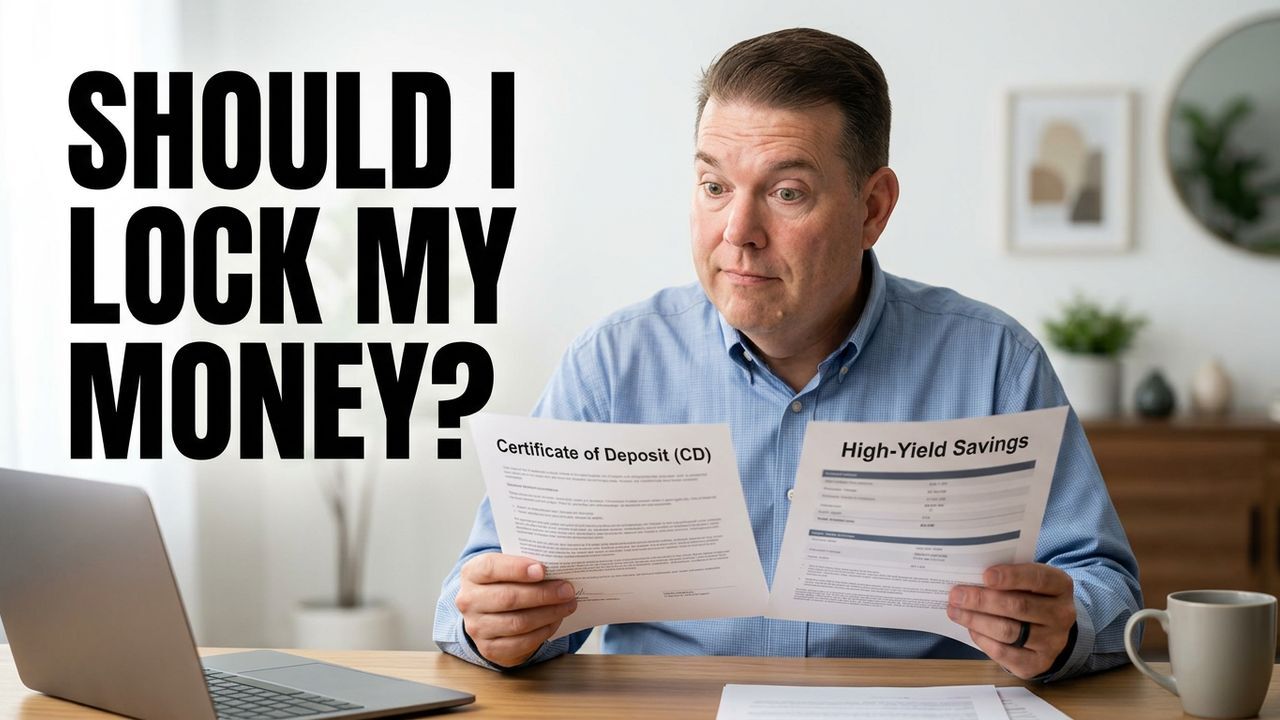
A recent listener asked exactly this. She has $15,000 in savings she doesn't need right away, and she's torn between locking in a good rate and staying flexible in case life throws her a curveball. Here's how to think it through.
What Is a CD, Exactly?
A certificate of deposit is a savings product with a fixed term. You agree to leave your money untouched, and in exchange, the bank guarantees a fixed interest rate for that term. Longer terms usually come with higher rates, since you're taking on more risk by locking your money away for longer.
A CD is built for money you won't need anytime soon. Simply put, a CD rewards patience, not access.
Rule One: Never Lock Up Your Emergency Fund
This is the mistake Ralph sees most often. Your emergency fund exists for one reason: to be there when you need it. Emergencies don't check a maturity date before they happen. A car repair, a broken appliance, a trip to urgent care, none of these wait for your CD to mature.
Keep that money liquid. A high-yield savings account works well here, since you can access it right away without penalty. Save CDs for savings goals with a longer runway.
Money set aside for emergencies should never require permission to reach.
Match the Tool to the Goal
A CD isn't good or bad on its own. It's one tool among several, and it works best when it matches a specific goal. Saving for next year's vacation? A home down payment in six months? Property taxes due later this year? These are all solid reasons to consider a CD.
The idea is simple: every dollar should have a job. The best financial tool is the one that fits the purpose you've assigned to that money.
Understand the Penalties Before You Sign
Most CDs charge an early withdrawal penalty if you touch the money before the term ends. Before opening one, read the fine print. Terms vary from bank to bank, so don't assume yours works the same way as the last one you saw advertised.
Being wise means understanding what you're agreeing to before you agree to it. Never chase a rate without understanding the rules, whether it's a CD, a money market account, or a high-interest savings account.
Build a Balanced Savings Strategy
Not every dollar belongs in the same place. Keep your emergency fund accessible. Lock away money that has a clear timeline. Spread your savings across a few tools instead of putting everything in one basket.
Simplicity creates confidence, and real financial peace comes from putting each dollar exactly where it belongs.
A Quick Word on Faith and Planning
Planning ahead isn't a lack of trust in God. Joseph stored grain during years of abundance because God had shown him harder years were coming. His preparation didn't replace his trust. It was part of faithful stewardship.
Faith doesn't promise tomorrow will look like today, and it doesn't promise you won't face an unexpected expense. But it does promise that God gives wisdom generously to anyone who asks. Trust God completely, then steward wisely what He's already placed in your hands.
Today's Win
List every savings goal you currently have. Sort them into two piles: money you might need soon, and money you won't touch for several months or longer. Match each goal to the right account, then check your timeline before making any changes.
Once every dollar has a purpose, the decision gets a lot easier.
Bible Verse
"Do your planning and prepare your fields before building your house." — Proverbs 24:27 (NLT)
The Bottom Line
A CD isn't automatically the right choice or the wrong one. Know how CDs work, protect your emergency fund first, match your savings tool to your timeline, read the withdrawal terms closely, and practice wise, intentional stewardship with what you already have.
Have a financial question of your own? Send it in at financiallyconfidentchristian.com/question, or leave a voicemail at financiallyconfidentchristian.com/voicemail and Ralph might answer it on the show.

Christian Financial Consulting
Ralph V. Estep, Jr. is a Delaware-based licensed accountant, author, rancher, and media host with more than 30 years of experience in finance, taxation, and small-business leadership. As the founder of Saggio Accounting+PLUS and the creator of the Ask Ralph Media network, Ralph helps entrepreneurs, creators, and everyday families replace money confusion with clarity, confidence, and practical next steps—without shame and without hype.
Ralph’s work blends deep professional expertise with a coach’s mindset and a communicator’s heart. He has held leadership roles across public accounting, financial institutions, law firms, and technology organizations, bringing a rare combination of traditional accounting rigor and modern systems thinking to the people he serves. A graduate of the University of Delaware and Wilmington University (MBA), Ralph is known for turning complex money topics into simple, repeatable frameworks that help people make wiser decisions and build lasting financial stability.
Through Ask Ralph Media, Ralph hosts multiple shows designed to meet people where they are and guide them forward. He is the host of Financially Confident Christian, a daily, faith-based show offering warm, pastoral encouragement for listeners who want peace and practical wisdom with their finances.
He also hosts Truth Unveiled with Ralph, a weekly program that contrasts cultural pressure with biblical truth and invites listeners into deeper spiritual and practical alignment. For small business owners, Ralph leads Grit and Growth Business, spotlighting real sto… Read More
Is Your Savings Account Quietly Costing You Money?