Embracing Joy in the Boring Middle of Life

There's a phase in personal finance nobody talks about much. You've got a budget. You're investing consistently. The debt is slowly shrinking. You know, intellectually, that you're doing everything right. Embracing Joy in the Boring Middle of Life
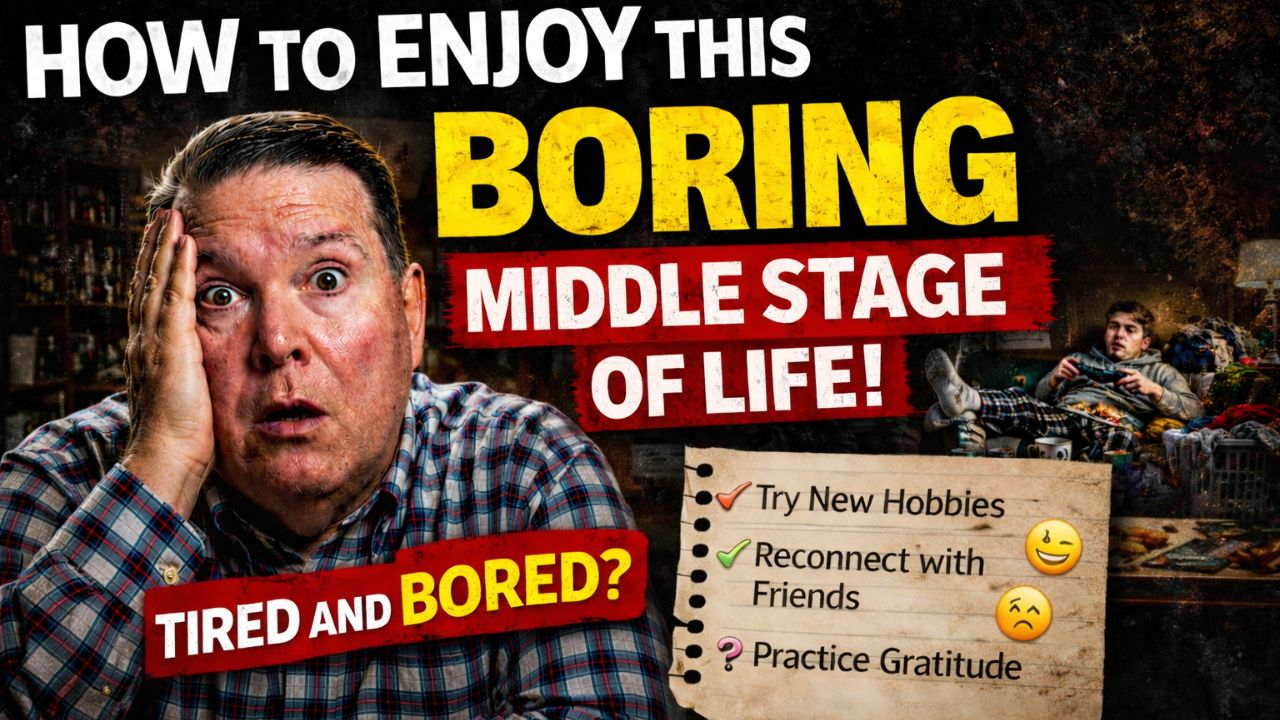
But it doesn't feel right. It feels like waiting.
This is what I call the boring middle. And for a lot of listeners of Financially Confident Christian, it's the hardest stretch to get through, not because the math is hard, but because it can quietly feel like life is passing you by.
Is saving for the future the same as putting life on hold?
One listener put it plainly: "How do you balance readiness for tomorrow while allowing yourself to enjoy today without derailing your financial goals?"
That question stuck with me. Because underneath it isn't really a budgeting question. It's a fear question. The fear is: what if "someday" never comes? What if I spend years being responsible, and I miss the good stuff along the way?
That fear is worth taking seriously.
A lot of people operate on what I'd call the arrival mindset, where happiness gets postponed until a specific number in their savings account. Hit the threshold, then live. But that's not how joy works. And more practically, there's always another threshold. The goalpost moves. And you keep waiting.
Here's what Ecclesiastes 3:13 says about this: "That each of them may eat and drink, and find satisfaction in all their toil. This is the gift of God."
Notice what that verse doesn't say. It doesn't say "find satisfaction once the toil is finished." It says in the toil. The enjoyment is part of it. That's not a consolation prize. That's the point.
What to actually do about it
The practical fix isn't complicated, but it does require being intentional.
Budget for joy the same way you budget for groceries. Not as a reward after the debt is gone, not as a leftover if anything's remaining, but as a planned line item. This doesn't mean expensive. It means specific. What actually gives you life? A camping trip? Saturday morning coffee with your spouse? A garden? Name it, schedule it, fund it.
The activities that matter most to people almost never cost much. What they cost is time and intention, which are things a budget can actually protect.
Also worth examining: Are you only measuring your financial progress in numbers? The slow season of building wealth looks boring on a spreadsheet. But that same season is where consistency gets built, where your kids watch how you handle money, where you practice the discipline that will matter when the numbers get bigger. That's nothing.
One thing to do today
Write down one activity that genuinely brings you joy. Not what you think you should enjoy. What actually does.
Put it on the calendar. If it costs money, put it in the budget. If it doesn't cost money, protect the time as it does.
That's it. Start there.
If you've got a question about walking the line between financial faithfulness and actually enjoying your life, I'd love to hear it. Visit financiallyconfidentchristian.com/question and send it my way.
Christian Financial Consulting
Ralph V. Estep, Jr. is a Delaware-based licensed accountant, author, rancher, and media host with more than 30 years of experience in finance, taxation, and small-business leadership. As the founder of Saggio Accounting+PLUS and the creator of the Ask Ralph Media network, Ralph helps entrepreneurs, creators, and everyday families replace money confusion with clarity, confidence, and practical next steps—without shame and without hype.
Ralph’s work blends deep professional expertise with a coach’s mindset and a communicator’s heart. He has held leadership roles across public accounting, financial institutions, law firms, and technology organizations, bringing a rare combination of traditional accounting rigor and modern systems thinking to the people he serves. A graduate of the University of Delaware and Wilmington University (MBA), Ralph is known for turning complex money topics into simple, repeatable frameworks that help people make wiser decisions and build lasting financial stability.
Through Ask Ralph Media, Ralph hosts multiple shows designed to meet people where they are and guide them forward. He is the host of Financially Confident Christian, a daily, faith-based show offering warm, pastoral encouragement for listeners who want peace and practical wisdom with their finances.
He also hosts Truth Unveiled with Ralph, a weekly program that contrasts cultural pressure with biblical truth and invites listeners into deeper spiritual and practical alignment. For small business owners, Ralph leads Grit and Growth Business, spotlighting real sto…Read More

Is Living Alone Worth the Extra Cost? One Listener's Real Question