
How to handle rising costs without sacrificing peace of mind

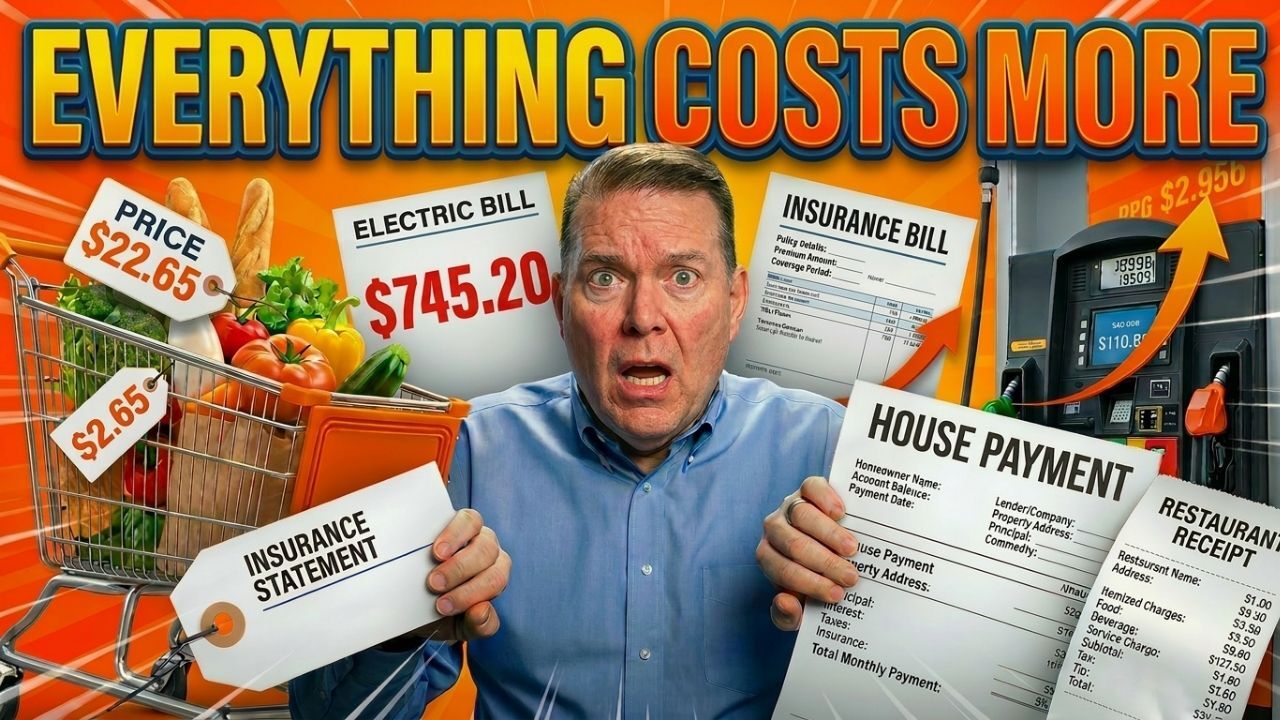
Have you looked at a grocery receipt lately and felt genuinely shocked? Not because you splurged on anything fancy, just the regular stuff—milk, eggs, gas—and yet the total stings. You're nodding because you've lived it. This isn't in your head. You're not alone, and the pressure is real. How to handle rising costs without sacrificing peace of mind? That growing anxiety doesn't just hit your bank account, it messes with your sleep and your sense of control. So how do you keep your finances steady and your mind at peace when everything costs more?
Why your budget feels tighter (and it's not your fault)
People across every income level are feeling this. Whether you're comfortable or struggling, the cost of everyday things has genuinely gone up. Groceries, rent, gas, insurance—they've all jumped in the past couple years. This isn't about spending recklessly. It's about an economy that's changed, and your budget has to adapt to match it.
The problem gets worse because small expenses hide everywhere. A subscription here, a coffee run there, eating out twice instead of once. Before you know it, those little leaks become real money. That's why getting intentional about spending matters right now.
Where to start cutting costs (without cutting corners)
1. Find where your money actually goes
Pull up your last three months of bank and credit card statements. Seriously, do this. Most people are shocked when they actually see the numbers. Write down the categories: housing, food, transportation, subscriptions, dining out, entertainment. Look for the big three first. Usually it's one or two categories eating 60 percent of your budget. Start there.
This is the easiest place to save real money fast. Plan meals before you shop. Make a list and stick to it. Buy store brands instead of name brands (they're the same thing, honestly). Buy in bulk for stuff you actually use. Skip the prepared foods and convenience items. These changes alone can cut your grocery bill by 20 to 30 percent.
3. Cancel what you're not using
Go through every subscription, membership, and recurring charge. Streaming services, apps, gym memberships, software you opened once. If you haven't used it in 30 days, cancel it. The money you save compounds month after month. This is painless and immediate.
Housing and car payments are usually locked in, but other fixed costs aren't. Call your insurance company and ask for quotes. Shop around for better rates. Ask your internet provider if there's a better plan. Refinance debt if rates have dropped. These conversations take an hour but can save you hundreds a month.
5. Build a realistic budget and actually use it
Don't create a fantasy budget where you spend nothing on fun. That fails. Instead, build a budget you can actually live with. Include what you need, what you want a little of, and what you can cut. Update it monthly as prices change. Make it your reality, not your dream.
The mental side matters as much as the math
Here's what nobody talks about: the stress of worrying about money is its own kind of expensive. When you're anxious about bills, you make worse decisions. You sleep less. You snap at people. All of that has a cost.
So part of managing inflation is managing your mind. Once you have a plan, follow it. You don't control gas prices or rent. You do control your response. You control where your money goes. That matters.
If you can find extra income, even a small side gig, it changes how you feel. Selling stuff you don't use, picking up a few hours of freelance work, anything that puts cash in your hands. It shifts you from feeling trapped to feeling like you have options.
What faithful stewardship looks like right now
For those of us who believe in careful management of what we've been given, this season is actually a good test. Tightening your belt doesn't mean you've failed. It means you're paying attention. Proverbs 27:23 says, "Know well the conditions of your flocks and give attention to your herds." Translation: Pay attention to what you have. Know where it goes. That's wisdom, not panic.
Some seasons call for simpler living. That's not failure. That's actually faithfulness. Trust that you can adapt. You have more agency than you think.
Don't try to overhaul everything today. Pick one thing from this list that bothers you most—the grocery bill, the subscriptions, or the insurance costs. Focus there first. Fix that one thing this week. Then move to the next.
A month from now, small changes add up. Three months from now, you'll actually see money in your account again. It takes discipline, not perfection.
Want more practical advice on managing money without losing your mind? Join the Financially Confident Christian community where listeners share what's actually working. Head to financiallyconfidentchristian.com/question to join the conversation.
You've got this. Stay grounded, stay intentional, and you'll get through this season stronger than before.
Christian Financial Consulting
Ralph V. Estep, Jr. is a Delaware-based licensed accountant, author, rancher, and media host with more than 30 years of experience in finance, taxation, and small-business leadership. As the founder of Saggio Accounting+PLUS and the creator of the Ask Ralph Media network, Ralph helps entrepreneurs, creators, and everyday families replace money confusion with clarity, confidence, and practical next steps—without shame and without hype.
Ralph’s work blends deep professional expertise with a coach’s mindset and a communicator’s heart. He has held leadership roles across public accounting, financial institutions, law firms, and technology organizations, bringing a rare combination of traditional accounting rigor and modern systems thinking to the people he serves. A graduate of the University of Delaware and Wilmington University (MBA), Ralph is known for turning complex money topics into simple, repeatable frameworks that help people make wiser decisions and build lasting financial stability.
Through Ask Ralph Media, Ralph hosts multiple shows designed to meet people where they are and guide them forward. He is the host of Financially Confident Christian, a daily, faith-based show offering warm, pastoral encouragement for listeners who want peace and practical wisdom with their finances.
He also hosts Truth Unveiled with Ralph, a weekly program that contrasts cultural pressure with biblical truth and invites listeners into deeper spiritual and practical alignment. For small business owners, Ralph leads Grit and Growth Business, spotlighting real sto… Read More

How Much Should You Save for Retirement? 5 Steps to Know for Sure